

Mudroom/bathroom flooring
10 years ago
Featured Answer
Sort by:Oldest
Comments (13)
 10 years ago
 10 years ago
Related Professionals
El Dorado Interior Designers & Decorators · Savannah Interior Designers & Decorators · Greenville Interior Designers & Decorators · Sault Ste. Marie Interior Designers & Decorators · Yuma Interior Designers & Decorators · Stockton Interior Designers & Decorators · Mesquite Interior Designers & Decorators · Pocatello Interior Designers & Decorators · Sarnia Interior Designers & Decorators · Rochester Architects & Building Designers · Williamsport Architects & Building Designers · Victorville Architects & Building Designers · Laredo Kitchen & Bathroom Designers · Alexandria Kitchen & Bathroom Designers · Reno Kitchen & Bathroom Designers- 10 years ago
- 10 years ago
- 10 years ago
 PRO10 years ago
- 10 years ago
- 10 years ago
 10 years ago
- 10 years ago
- PRO10 years ago
- 10 years ago
Related Stories
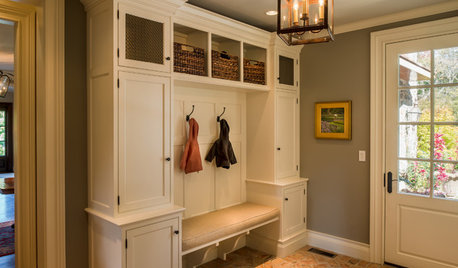
ENTRYWAYSGet a Mudroom Floor That’s Strong and Beautiful Too
Learn the flooring materials that can handle splashes and splatters with ease and still keep their good looks
Full Story
LIFEHouse Rule: Off With Your Shoes
Do you prefer your guests to go shoeless in your house? Here are some ways to encourage stockinged feet
Full Story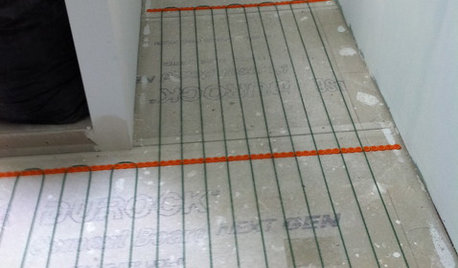
BATHROOM DESIGNWarm Up Your Bathroom With Heated Floors
If your bathroom floor is leaving you cold, try warming up to an electric heating system
Full Story
MUDROOMS4 High-Performing Mudroom Ideas
Looking for entryway ideas with plenty of storage? Here’s how to make hooks, cubbies and drawers look great
Full Story
BATHROOM DESIGNHow to Choose the Right Bathroom Sink
Learn the differences among eight styles of bathroom sinks, and find the perfect one for your space
Full Story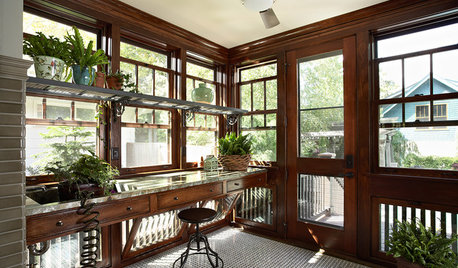
STUDIOS AND WORKSHOPSRoom of the Day: Potting and Puttering in Toasty Warmth
Minnesota winters are no match for this heated potting room, mudroom and changing room, which even has a dog shower
Full Story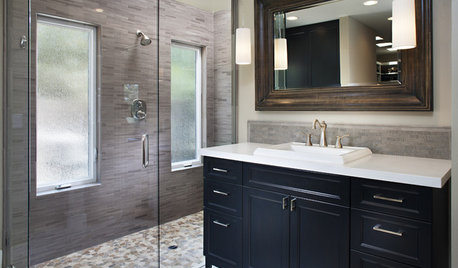
BATHROOM DESIGNWhat to Use for the Shower Floor
Feeling Good Underfoot: Shower Tiles, Mosaics, Teak Slats and Pebbles
Full Story
MUDROOMSThe Cure for Houzz Envy: Mudroom Touches Anyone Can Do
Make a utilitarian mudroom snazzier and better organized with these cheap and easy ideas
Full Story
BATHROOM DESIGNBathroom Style: No More Boring Flooring!
Remake Your Bath With Some High Design Underfoot
Full Story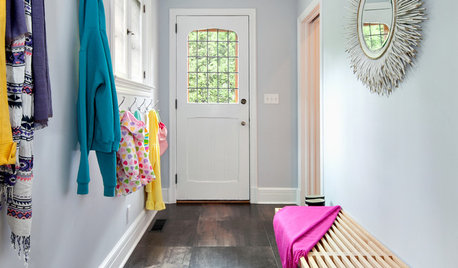
MUDROOMSHouzz Call: We Want to See Your Hardworking Mudroom
The modern mudroom houses everything from wet boots to workstations. Proud of your space? Inspire us with your photos and tips
Full Story
Judy Mishkin