

Pruning a floppy Texas Kidneywood
10 years ago

Featured Answer
Sort by:Oldest
Comments (6)
 10 years agolast modified: 10 years ago
Related Professionals
Columbia Landscape Architects & Landscape Designers · Jacksonville Landscape Architects & Landscape Designers · Toms River Landscape Architects & Landscape Designers · Los Angeles Landscape Architects & Landscape Designers · Ogden Landscape Architects & Landscape Designers · Miami Landscape Contractors · La Crosse Landscape Contractors · Anchorage Landscape Contractors · Leamington Landscape Contractors · Dothan Stone, Pavers & Concrete · Columbus Stone, Pavers & Concrete · Stamford Stone, Pavers & Concrete · Moline Stone, Pavers & Concrete · Burlington Stone, Pavers & Concrete · Milwaukee Stone, Pavers & Concrete- 10 years agolast modified: 10 years ago
 10 years agolast modified: 10 years agobostedo: 8a tx-bp-dfw thanked roselee z8b S.W. Texas
- 10 years ago
Related Stories
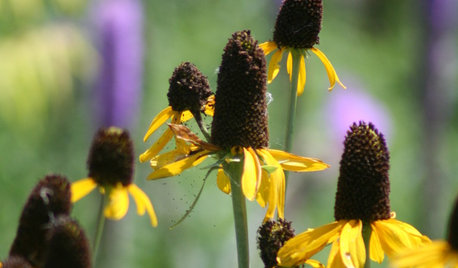
GARDENING FOR BUTTERFLIESGreat Design Plant: Giant Coneflower, a True Exclamation Point
Watch as towering stalks topped by yellow blossoms become a beacon for birds and insects in the midsummer garden
Full Story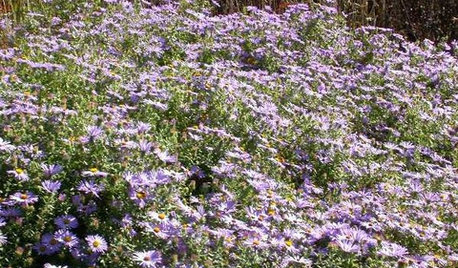
GARDENING FOR BUTTERFLIESGreat Design Plant: Aromatic Aster Keeps on Blooming
Tough as nails, drought loving, a deep fall bloomer ... this aster is a champ in sunny gardens
Full Story
GARDENING GUIDESSouthwest Gardener's June Checklist
Protect your plants from too much sun while waiting for rain relief, and guess what? Those cacti might need a drink
Full Story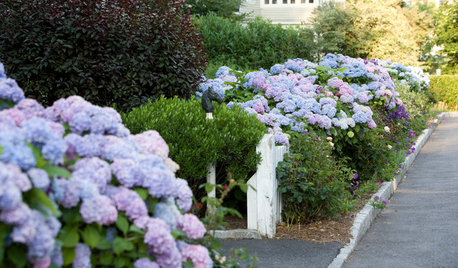
FLOWERSWhy You Should Give Hydrangeas a Place in Your Yard
The exuberant mop-headed beauties evoke dreams of an endless summer by the sea
Full Story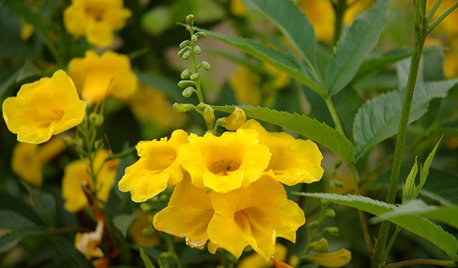
GARDENING GUIDESGreat Design Plant: Yellow Bells, a Screening Queen
With its large size and copious golden flowers, this shrub can cover walls or screen unsightly views with ease
Full Story
GARDENING GUIDES8 Plants That Snobs Love to Hate — and You'll Love to Grow
Don't dismiss these common annuals, perennials and shrubs — there are reasons they've been popular for so long
Full Story
BEFORE AND AFTERSSee 6 Yards Transformed by Losing Their Lawns
Wondering whether a turf lawn is the best use of your outdoor space? These homeowners did, and they found creative alternatives
Full Story
GARDENING GUIDES4 Ways to Break the Rules in Your Garden
For a more creative landscape design, take a different approach to planting
Full Story
GROUND COVERSNative Alternatives to English Ivy, Japanese Pachysandra and Periwinkle
These shade-loving ground covers are good for the environment and say something about where you are
Full Story
GARDENING GUIDESBe Your Own Best Florist With a Bouquet Garden
Shop your backyard for gorgeous floral arrangements — these ideas will help you bring the garden to the table beautifully
Full Story
Sponsored
roselee z8b S.W. Texas