

When a diet on a web site says ''fresh fruit'' tomatoes OK?
9 years ago
last modified: 9 years ago
Featured Answer
Sort by:Oldest
Comments (10)
 9 years ago
 9 years agolast modified: 9 years ago
Related Professionals
Florence Landscape Architects & Landscape Designers · Hilton Head Island Landscape Architects & Landscape Designers · Stamford Landscape Architects & Landscape Designers · Saginaw Landscape Architects & Landscape Designers · Brainerd Landscape Architects & Landscape Designers · Lake City Landscape Contractors · Mount Vernon Landscape Contractors · Westminster Landscape Contractors · Ardmore Landscape Contractors · Texarkana Landscape Contractors · Petersburg Landscape Contractors · Syracuse Landscape Contractors · Glenwood Springs Landscape Contractors · Anchorage Landscape Contractors · Tallahassee General Contractors- 9 years agolast modified: 9 years ago
- 9 years agolast modified: 9 years ago
 9 years ago
- 9 years ago
- 9 years ago
 9 years agolast modified: 9 years ago
- 9 years agolast modified: 9 years ago

Related Stories
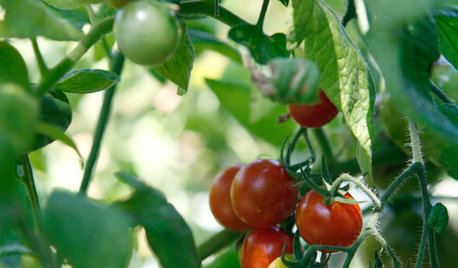
EDIBLE GARDENSSummer Crops: How to Grow Tomatoes
Plant tomato seedlings in spring for one of the best tastes of summer, fresh from your backyard
Full Story
LIFEKitchen Traditions: Tomato Season Meets a Family Legacy
Somewhere a Sicilian great-great-grandmother is smiling at a bowl of American-made sauce
Full Story
EDIBLE GARDENSHow to Grow 10 Favorite Fruit Trees at Home
Plant a mini orchard in fall, winter or early spring to enjoy fresh-off-the-tree fruit the following year
Full Story
MOST POPULARHow to Get Rid of Those Pesky Summer Fruit Flies
Learn what fruit flies are, how to prevent them and how to get rid of them in your home
Full Story
MOST POPULARSo You Say: 30 Design Mistakes You Should Never Make
Drop the paint can, step away from the brick and read this remodeling advice from people who’ve been there
Full Story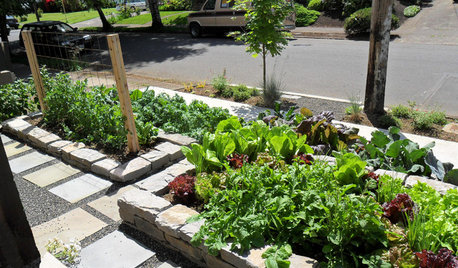
FRONT YARD IDEASWelcome Edibles Into the Front Yard for Fresh Food and More
Give your front yard design a boost and maybe even make new friends by growing fruits and vegetables
Full Story
KITCHEN DESIGN9 Questions to Ask When Planning a Kitchen Pantry
Avoid blunders and get the storage space and layout you need by asking these questions before you begin
Full Story
LANDSCAPE DESIGNCalifornia Says Goodbye to the Sprawling Ornamental Lawn
New state rules will effectively limit turfgrass to 25 percent of the landscape in most new and renovated yards
Full Story
GARDENING GUIDESStep Right Outside for Fresh Herbs and Vegetables
Decks and patios can be convenient spots for edibles, and sometimes they even offer advantages over backyard gardens
Full Story
DINING ROOMSColor Feast: When to Use Gray in the Dining Room
The right shade of gray pairs nicely with whites and woods to serve up elegance and sophistication
Full Story
Peter (6b SE NY)