

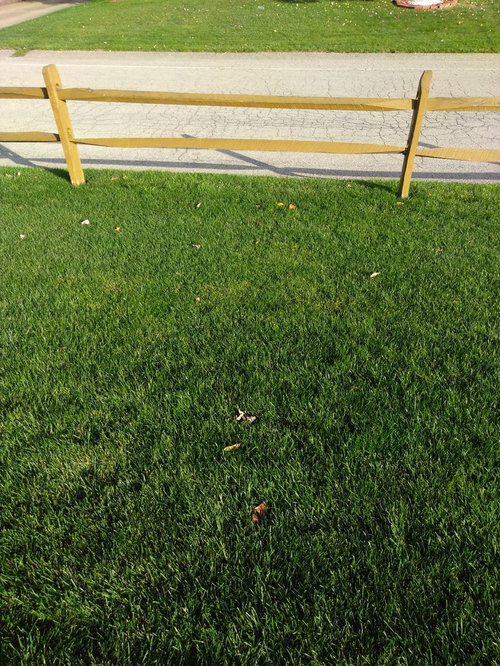
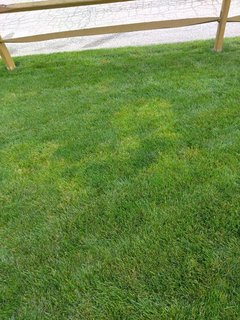
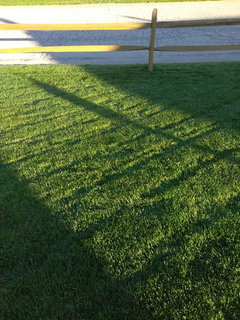
Lawn Update!
10 years ago
Featured Answer
Sort by:Oldest
Comments (9)
- 10 years ago
Related Professionals
Rolla Landscape Architects & Landscape Designers · Charleston Landscape Architects & Landscape Designers · New Braunfels Landscape Architects & Landscape Designers · Lincoln Landscape Architects & Landscape Designers · Oneonta Landscape Architects & Landscape Designers · Middlesboro Landscape Contractors · Covington Landscape Contractors · Rutland Landscape Contractors · Bridgeport Landscape Contractors · San Jose Landscape Contractors · Richmond Home Builders · Austin Home Builders · Montrose Home Builders · Garden City Home Builders · Bronx Home Builders- 10 years ago
- 10 years ago
- 10 years ago
- 10 years ago



Related Stories
LAWN ALTERNATIVESStop Fighting the Patchy Lawn!
Here are 3 situations where a garden may be a better idea than more turfgrass
Full Story
FRONT YARD IDEASBefore and After: Front Lawn to Prairie Garden
How they did it: Homeowners create a plan, stick to it and keep the neighbors (and wildlife) in mind
Full Story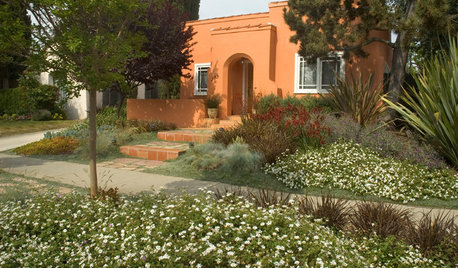
GREAT HOME PROJECTSHow to Replace Your Lawn With a Garden
New project for a new year: Lose the turfgrass for energy savings, wildlife friendliness and lower maintenance
Full Story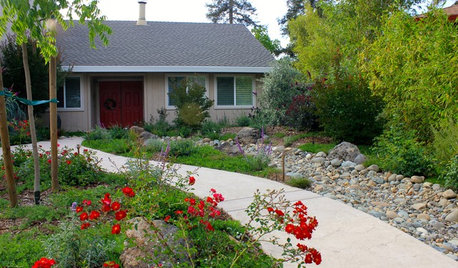
LANDSCAPE DESIGNCalifornia Says Goodbye to the Sprawling Ornamental Lawn
New state rules will effectively limit turfgrass to 25 percent of the landscape in most new and renovated yards
Full Story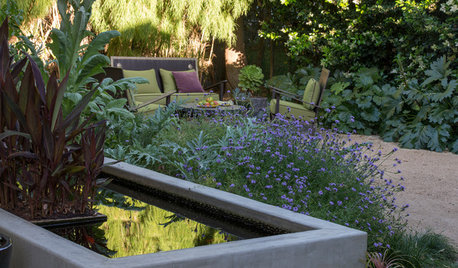
SAVING WATERHouzz Call: Are You Letting Go of Your Lawn?
Many facing a drought are swapping turf for less thirsty plantings. If you’re one of them, we’d like to hear about it
Full Story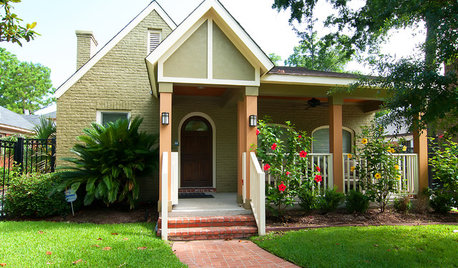
EXTERIORS5 Pro Tips for the Best Home Exterior Updates
Knock your block's socks off with this professional advice to give your home's exterior a striking new look on any budget
Full Story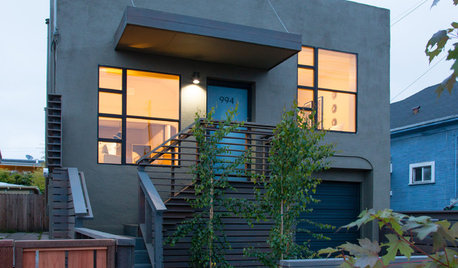
HOUZZ TOURSHouzz Tour: Visit a Modern Update in Oakland
See how a "hacked together" home became an urban neighborhood jewel
Full Story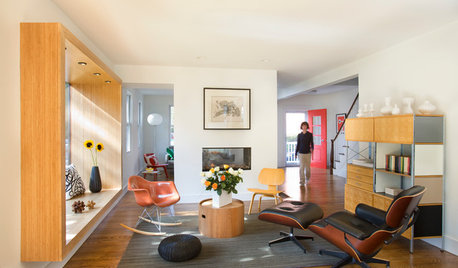
LIVING ROOMSRoom of the Day: Living Room Update for an 1800s New England House
Major renovation gives owners the open, contemporary feel they love
Full Story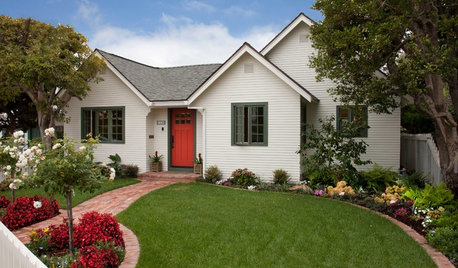
HOUZZ TOURSHouzz Tour: Updates Honor a 1930s Cottage's History
The facade stays true to the original, but inside lie a newly opened layout, higher ceilings and 600 more square feet of space
Full Story
HOUZZ TOURSHouzz Tour: Classic Tudor Gets a Modern Update
Family-friendly home celebrates contrasts of color, materials and pattern
Full Story
User