

how do I remove a plaster wall to half?
10 years ago
Featured Answer
Sort by:Oldest
Comments (9)
 10 years ago
Related Professionals
West Plains Home Remodeling · Enid Home Remodeling · Georgetown Home Remodeling · Albert Lea Home Remodeling · Utica Home Remodeling · Wenatchee Home Remodeling · Cheyenne Home Remodeling · Binghamton Kitchen Remodelers · Buffalo Kitchen Remodelers · Middletown Kitchen Remodelers · Toronto Kitchen Remodelers · Bainbridge Bathroom Remodelers · Winston-Salem Bathroom Remodelers · Huntington Bathroom Remodelers · Portland Bathroom Remodelers- 10 years agolast modified: 10 years ago
- 10 years ago
 PRO10 years ago
- 10 years ago
- 10 years ago
 PRO10 years agolast modified: 10 years ago
Related Stories
CEILINGSHow to Remove, Hide and Play Down a Popcorn Ceiling
When it comes to dealing with stucco overhead, you’ve got options
Full Story
REMODELING GUIDESHouse Planning: When You Want to Open Up a Space
With a pro's help, you may be able remove a load-bearing wall to turn two small rooms into one bigger one
Full Story
KITCHEN DESIGNKitchen of the Week: Connected, Open Oregon Remodel
Removing a chimney, a half-cabinet and a countertop helped create elbow room and an open flow for a galley-style kitchen in Portland
Full Story
MATERIALSUnexpected Style for Your Wall
Go Beyond Paint and Paper with 3D, Plaster, Copper, Tile, Marble and More
Full Story
WALL TREATMENTSA Tiny Powder Room Gets a Map-tastic Look
Creative cartography adds cheer and personality to the walls of a compact half bath
Full Story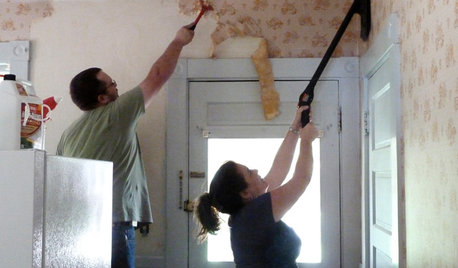
DECORATING GUIDESHow to Remove Wallpaper in 4 Steps
Learn the best way to remove wallpaper with only water (and elbow grease) so your next wall treatment will look great
Full Story
BATHROOM DESIGNDaring Style: Bedroom and Bath, All In One
Loft-Like Open Plans Remove the Master Bath Wall. Is This Look for You?
Full Story
BATHROOM DESIGNShould You Install a Urinal at Home?
Wall-mounted pit stops are handy in more than just man caves — and they can look better than you might think
Full Story
BEFORE AND AFTERSSee a DIY Powder Room Transformation for $1,100
Determination, DIY skill and a stunning tile feature wall helped make this formerly dark and gloomy powder room feel spacious
Full Story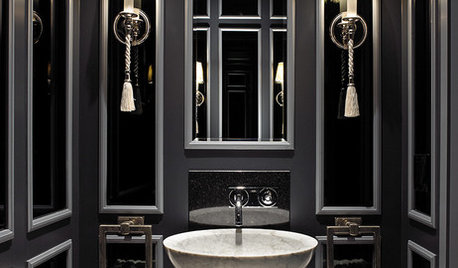
POWDER ROOMSDream Spaces: 12 Ultraglam Powder Rooms
These luxurious loos show how extravagance can come through color, wall coverings, fixtures or just a simply beautiful concept
Full Story
dchall_san_antonio