Software
Houzz Logo Print
sam_md

Enkianthus perulatus 'J.L. Pennock'

9 years ago
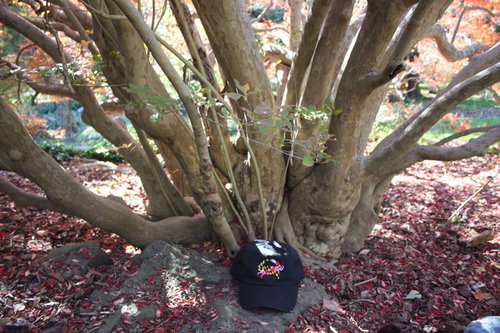


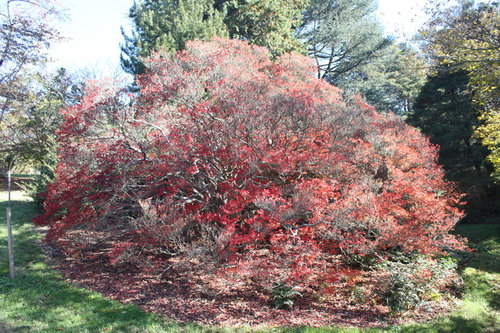
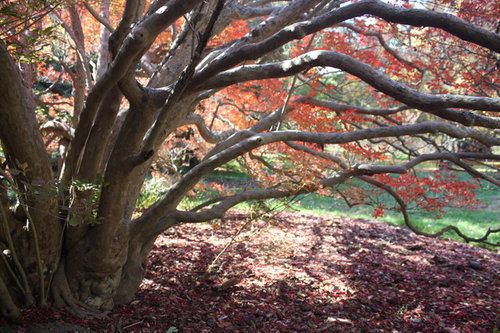
This plant is Enkianthus perulatus 'J.L. Pennock' found in the Japanese Garden @ Morris Arboretum. That garden was constructed in 1905, I think we can assume that the plant is original to that time. It is about 10' high X 20' across. Pic taken 11/13. Clearly I should have taken the pic a week or two earlier since much of the foliage has been shed. The fall color is its real claim to fame. Here's my question, is this plant any different from any other white enkianthus, if so how? It was patented but am guessing that the patent has expired.

Comments (8)

  • 9 years ago

    That cultivar was only originally propagated in 1988 and the patent filed in 1993, so doubtful that specific plant has been there since 1905 :-) As to the uniqueness of its fall coloring, it looks or is described as much the same as any other selection of E. perulatus, which one local plant-based website describes (the species) as " fall color is a screaming scarlet red". Apparently the distinguishing feature of this cultivar is that it develops the color earlier and holds onto the foliage, and therefore the color, longer.

    IME, the fall color of any enkianthus is highly dependent on siting and various cultural and climate conditions as it is with most other deciduous plants featuring fall color...........some years outstanding and other years so-so.

  • 9 years ago
    last modified: 9 years ago

    Color, branch structure and bark, overall plant shape . . . stunning! Thanks for posting.

    ETA - I see hardiness zones listed as both 5 and 6. Anyone have experience growing this species or cultivar in zone 5?

  • 9 years ago
    last modified: 9 years ago

    distinguished from other Enkianthus plants by its onset of fall color development about two weeks before that of other Enkianthus perulatus plants

    About 2 m. tall and about 3 m. wide, at more than 40 years old

    (So apparently it is thought to date from the 1970s)

    http://patft.uspto.gov/netacgi/nph-Parser?Sect1=PTO1&Sect2=HITOFF&d=PALL&p=1&u=%2Fnetahtml%2FPTO%2Fsrchnum.htm&r=1&f=G&l=50&s1=PP08901.PN.&OS=PN/PP08901&RS=PN/PP08901


  • 9 years ago

    The way I read that is the size suggestion of a 40 year old plant is about 2m tall X 3m wide which sounds about right. The measurements of the venerable, original specimen in my OP were taken with tape measure and are accurate. There is a story about Lydia Morris bringing back plants from voyage to Japan around the turn of the century which I will save for another time. What I really wanted to do is capture the color of the plant. There is a pic in googleimages by Paul Meyer with Mr Pennock in the pic for scale, it is so bright it looks like it is photo shopped. Unfortunately I was about 10 days too late. This is one of those obscure patented plants, patent expired and relegated to botanic garden collections and rare plant sales. Cuttings will root but don't overwinter. The only people who seek it out are the people who know it.

  • 9 years ago
    last modified: 9 years ago

    The way I read that is the size suggestion of a 40 year old plant

    I think you are mistaken. Because it is a patent description I think they are describing what the original patented invention did before patenting.

  • 9 years ago

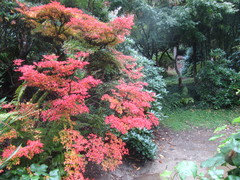
    Here's one of mine at about 20 years. Picture taken in 2011. Now that it has more shade from a Japanese maple and a couple of rhododendrons, the color is a dull yellow. Looking west, and not in the most ideal location.

  • 5 years ago

    Failure of cuttings of deciduous shrubs to continue growing the year after rooting takes place typically attributed to cuttings having been taken too late. Because the rooting has to be followed by shoot growth and winter bud set that same first year or they have no way to make subsequent top growth the next growing season.

0