Software
Houzz Logo Print
nlpro91

Is this septoria leaf spot?

9 years ago
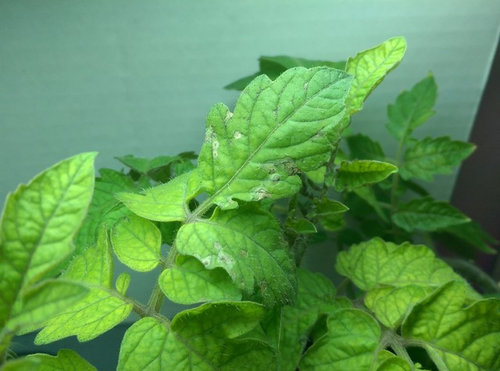
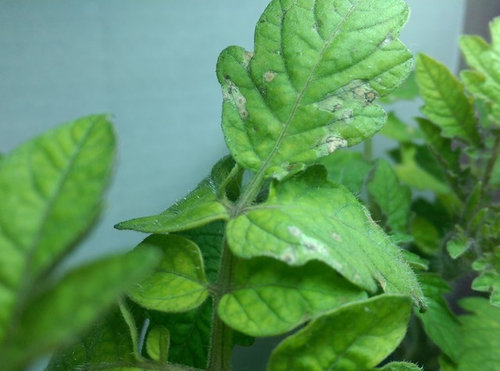
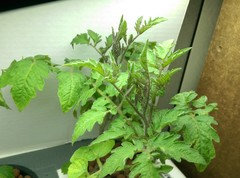
Hi, i would like to know if my cherry tomato plants have some sort of fungal disease or if its something else. Heres a pic of two cherry tomato plants with some gray sploches on the leaves. I noticed there is a dot in the middle of the circles which is specific to septoria. Anyone have any advice on how to treat this. Id appreciate the info.

Comments (11)

  • 9 years ago
    last modified: 9 years ago

    It's difficult to make a definite diagnosis from a photograph. Maybe some more information will help narrow things down. What is your location? Are these plants outdoors? In a greenhouse? What kind of soil/medium are they growing in?

    Also, your plants show signs of nutrient deficiency. What does your feeding/watering look like?

  • 9 years ago
    last modified: 9 years ago

    Thanks for your response. Theyre indoor plants by the window supplemented with t5 lights. I have them in a DWC 10 gallon cooler. PH is kept at 6.0 and water temp is 68°. Nutrient level is 600 PPM. I did spray with a fungacide to kill aphids. Is it possible the fungacide spray caused this?


    Nutrient level is 600 PPM. I did notice the yellowing on some leaves after you mentioned it. I may have to change the water and add fresh nutrients.

    This is my first grow with this system and am pretty new to gardening so im learning as i go.

  • 9 years ago
    last modified: 9 years ago

    Re: the nutrient issue-- there are folks who post here who grow hydro who may see your post, but I would also ask the hydroponics forum in the meantime. The pale leaves with still-green veins looks like an early nitrogen and/or mag deficiency, but hydroponics is a whole different deal than growing in soil,

    As for the lesions... It doesn't look like spray damage to me, and it doesn't look much like Septoria. It might be the start of the concentric/target pattern in other diseases like EB or target spot, and botrytis is also a possibility, especially considering the paleness of the lesions.

    I did spray with a fungacide to kill aphids. Is it possible the fungacide spray caused this?

    Aphids are not fungus. I guess some fungicides may be somewhat toxic to aphids, and the simple physical action of liquid being sprayed and running off is good at knocking back aphids because it washes them off. A lot of people use just plain water and squirt off the aphids with a vigorous spray. That approach tends to work best outdoors, though, where there are beneficial predators to clean up many of the straggler aphids. If you continue to have aphid problems, you'll need to get something like insecticidal soap to more directly and efficiently address the aphids. Fungicide is an inefficient way to kill insects if it is effective at all. EDIT: if you're using neem, it can work on aphids AND fungus.

    That said, you apparently needed a fungicide anyway, so it worked out for the best. Are the spots limited to just the leaves in the photo or has it spread to other places on the plant? If only on the leaves in the photo or just a few leaves here and there, I would document well with photos in case you need to refer to them later, prune off the affected foliage, and repeat fungicide application in a week or so. What fungicide are you using?

  • 9 years ago

    okay. I forgot mention that the fungacide I was using is bonide tomato & vegetable fungacide/insect killer. I also have insecticidal soap which I will mix up to use instead if it gets any worse. I checked the roots and they are very healthy. I will post a pic when I can, but it doesn't seem to be any issue there. The gray lesions are spreading and Im pruning the most effected leaves. I was able to pick up some copper spray (bonide) from home depot and hopefully that will prevent any more spread.

    As for the nutes. I changed 1/2 the rez and am introducing fresh nutrients, pretty much half the strength until I get it back to the level it is now without any visible stress to the plants.


  • 9 years ago
    last modified: 9 years ago

    It's not septoria.

    Se this: http://msue.anr.msu.edu/news/septoria_leaf_spot_on_tomatoes_preventing_spots_before_your_eyes

    Any chance of extreme close up views of the lesions?

    What is the humidity in the growing area? Any circulating fans active?

    Stop spraying until you identify the problem. Excessive treatment can also damage plants.

    Where do you live?

  • 9 years ago

    Hi Jean. Yes, I know it's not septoria. Humidity is low, but it is possible that I'm causing more harm by wetting the leaves with fungacide. So, for the time being, I'm leaving it alone. I also adjusted the nutrient levels and hopefully they will grow stronger and the fungal spread will die out.

    Your right, I believe I may have sprayed the leaves and it started some unknown fungal disease. I live in southern california btw.

  • 9 years ago

    Spraying fungicide is not likely to cause fungal disease. That would be like saying applying antibiotic cream to a cut would cause an infection because you're touching it. Sure, you're touching it. But you're touching it with antibiotic. I suppose there's a small chance you could cause an infection. But there's more of a chance that you're preventing one.

    Fungicides can damage leaves if applied incorrectly, though, and in the case of copper can cause growth problems if applied in excess. It can also cause issues if too much gets into your growing medium while you're spraying.

    Preventative application of fungicide is an established good practice, at least when growing outside.

    nlpro91 thanked gorbelly
  • 9 years ago
    last modified: 9 years ago

    Interesting. Well, I see what you mean. Just to play it safe, I will see how it goes without attempting to treat it more. It's always good to know what to do when your plants show signs of distress. Thanks for the info. I appreciate it very much.

  • 9 years ago

    I think waiting to spray is a perfectly fine choice.

    I just don't see spraying a well-known commercially sold fungicide for home gardeners according to directions to pose much of a risk to plants.

    Home remedies are much more of a risk, which is why I urged caution with the bleach suggestion. I have used that bleach spray myself with success, otherwise I wouldn't have mentioned it as a possibility, but plenty of people have been known to do it wrong and seriously damage or even kill their plants with it.

    You also have to be careful with adding stuff. For example, a lot of people add a bit of dish soap to a spray mixture to break surface tension and help it stick to the leaves better. Overdo the soap, and you can damage foliage. And so forth.

    nlpro91 thanked gorbelly
  • 9 years ago

    Just an update. The two cherry tomato plants have no more gray spots on the leaves and are growing healthier.


    Yes, i agree gorbelly. The trick here, i think, is not to overdo it on the spray. There are no more lesions so I would assume it did its job in getting rid of whatever it was.

Sponsored
AIS Renovations
Average rating: 4.5 out of 5 stars15 Reviews
Custom Craftsmanship & Construction Solutions in Franklin County, Ohio
More Discussions