

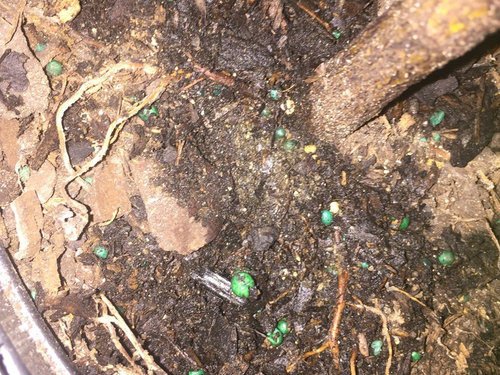
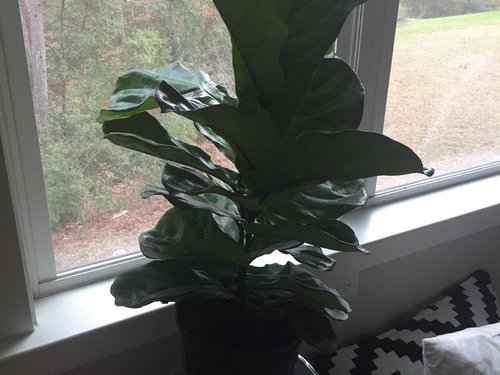
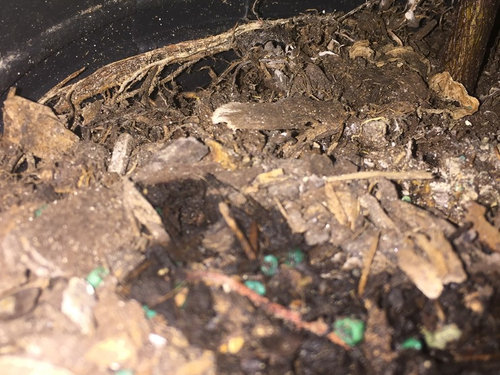
Ficus pandurata bush question
9 years ago
last modified: 9 years ago
Sort by:Oldest
Comments (4)
Related Stories
HOUSEPLANTSPlay Up Some Fiddleleaf Figs for a Lively Indoor Tune
Strike a dramatic chord in a minimalist scene or a country note in a rustic setting — fiddleleaf fig plants harmonize with any style
Full Story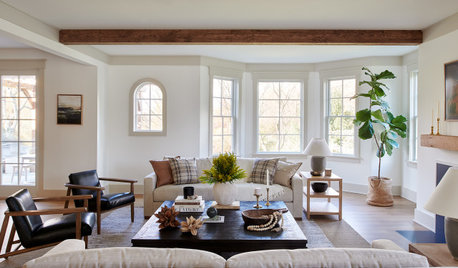
HOUSEPLANTS8 Essentials for Healthy Indoor Plants
Houseplants add so much to our homes — and can thrive when grown in the right conditions. Keep these tips in mind
Full Story
HOUSEPLANTS10 Top Plants to Grow Indoors
Brighten a room and clean the air with a houseplant that cascades artfully, stretches toward the ceiling or looks great on a wall
Full Story
GARDENING GUIDES5 Best-Behaved Trees to Grace a Patio
Big enough for shade but small enough for easy care, these amiable trees mind their manners in a modest outdoor space
Full Story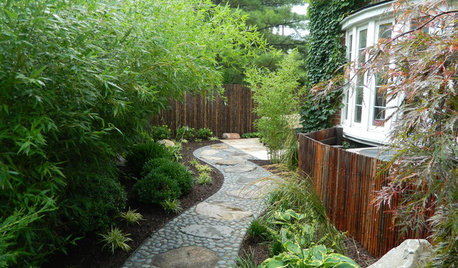
GARDENING AND LANDSCAPINGGrow a Lush Privacy Screen
No need to wait forever for patio privacy the green way. These 10 ideas will get your screening up and running in no time
Full Story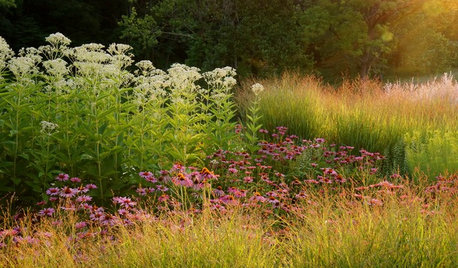
GARDENING FOR BUTTERFLIESGarden for Wildlife to Reap Rich Rewards
When you plant with animals and insects in mind, you make gardening easier, the planet healthier and yourself more present
Full Story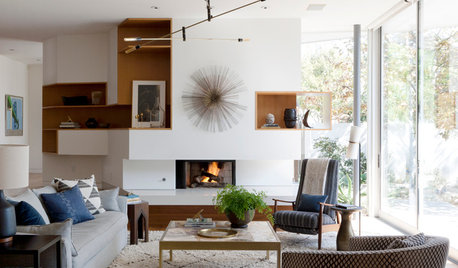
MODERN HOMESHouzz Tour: Earthy Decor Adds Warmth to a Modern Home
Nature-based colors and rustic elements bring a cozier feeling to a minimalist house in Southern California
Full Story
NATIVE PLANTS10 Top Plants Native to the Desert Southwest
Get a thriving garden despite unforgiving conditions with these tough, unthirsty, sun-loving beauties
Full Story
FARM YOUR YARDIf You Have Room for Only One Fruit Tree ...
Juice up a small garden with one of these easier-care or worth-the-effort fruit trees for a mild climate
Full Story



tropicbreezent
tapla (mid-Michigan, USDA z5b-6a)
Related Professionals
Galveston Landscape Architects & Landscape Designers · El Dorado Landscape Contractors · DeRidder Landscape Contractors · Anderson Landscape Contractors · Fort Dodge Landscape Contractors · Amherst Landscape Contractors · Bangor Landscape Contractors · Sterling Landscape Contractors · Bozeman Landscape Contractors · Baton Rouge Interior Designers & Decorators · California Interior Designers & Decorators · Athens Interior Designers & Decorators · Escanaba Interior Designers & Decorators · Dickinson Interior Designers & Decorators · Yakima Interior Designers & Decoratorsssr0228Original Author
tapla (mid-Michigan, USDA z5b-6a)