Software
Houzz Logo Print
jacoblockcuff

Camellia Sinensis Sick

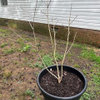
Hello. My camellia sinensis plant, in a pot indoors, seems to be very sick. Its leaves have been turning brown over the last couple of months, and they eventually fall off. It started around last Christmas, when a bunch of flowers started blooming on it. A few bloomed, but then they withered away and died, and every single flower that hadn't yet bloomed withered away and fell off. Then, leaves slowly turned brown and fell off occasionally, until a few days ago, when every single leaf fell off of the plant except for 2. At first, I wondered if this were possibly wind scorch from the door it was next to, as everyone in the house would open the door up multiple times throughout the day and every time a dry, cold wind would rush in at the plant; so I moved it to a window with even more light. It's still doing the same thing. Now, lately, we've been having some unusually warm weather (upper 60's), so it's been getting put outside throughout the day on certain days, but still not much difference. I dug up some roots earlier this afternoon when I placed it on our front porch and saw that they were all a nasty, rotten brown color. Could this be root rot? If so, how can I treat this? The pot it is in does not drain at all, so I give it very light waterings and keep it relatively moist constantly. Could I be watering too much? All help is highly appreciated.

Comments (8)

  • 9 years ago

    First, camellias do not make successful houseplants. Second, unless a bog or water plant, ALL plants need to have good drainage. And the right potting medium to allow for fast drainage - without both of those, root rot is inevitable, which brown, mushy roots would confirm. Plants typically will not recover from root rot. I'd bite the bullet and start over.

    And where are you located? This plant would be much happier growing in the ground if at all possible. If not, it needs a fast draining, acidic soil, bright but indirect light and coolness during the winter months. Indoors under normal household temperatures and associated low humidity will not be to its liking.

  • 9 years ago

    I'm located in the northwestern corner of Arkansas. I'm down to one leaf now, and the plant just looks dead, so I'm probably going to take your advice and start over. Very sad but oh well.

    We have an indoor humidifier that keeps the humidity around 50-60% where my tea plant is and the average temp is 68-72 F.

    If I were to order a new one, would it be able to survive the winters here in ground?

    Thanks for the reply.

  • 9 years ago
    last modified: 9 years ago

    Yeah, camellias do not do well inside here either. If you are keeping it inside just because it is winter and because you planned to move it outside in Spring, I would regularly check the soil to see if the soil needs water.

    Browning of the leaves is -usually- a need for water. Happened to me when my irrigation system broke in winter and the edges of the leaves started browning. Noticed the problem by pure chance and was able to fix the issue before lack of water killed too many plants so, regardless of the ambient temperature in the room, regularly check the soil to see if the soil needs water. And keep it away from a/c or heater vents.

    Many sinensis for sale do well in Z7 but you need to research the specific variety by looking at the plant label. For example, a few like Black Tea can handle 6b. Many for sale handle Z7 but a few have to be in Zone 8b or higher.I do not know where you got yours but I would hope it was a nursery that sold hardy varieties for your location. :o) Knock on wood!

    But with so few leaves, I am not sure it will recover. Just make an effort and you may end up with a good plant.

  • 9 years ago

    I got mine from Burpee. I bought it last spring, and it's done great until now. It really grew this last summer and it was beautiful last fall. This last winter it has done really good until recently. The root rot just really surprises me, because while I do try to make sure the soil is moist, I accidentally allow it go almost dry quite often. Could it just be the pot that caused it? I could attempt to transplant it to a pot that has better drainage and fertilize it to try and help it, as there are quite a few new shoots that I've noticed wanting to come in. (The problem is that they die :/)

  • 9 years ago

    It should work outdoors in zone 7 and above. But if you want to grow it as a container plant and bring it indoors for protection from winter freezes, then you should read up on the requirements for successful container growing, which are focused on a container with adequate drainage holes and the proper, fast draining, highly aerated potting mix. The Container Gardening forum can help you with this.

    IME, an evergreen shrub that has only a couple of leaves left is dying and very nearly dead. That combined with mushy looking roots is not a very positive indication that the plant will recover to the point where it will be viable.

  • 9 years ago
    last modified: 9 years ago

    > The root rot just really surprises me, because while I do try to make sure the soil is moist, I accidentally allow it go almost dry quite often.

    I started growing camellias a year ago, and I was following the advice of allowing the soil to dry somewhat before watering again. However, I probably allowed the soil to dry too much and that was the thing I did that killed 4 camellias. 3 of them were japonicas of about 3–4 feet tall and 1 of them was a sasanqua of about 1.5 feet tall.

    The symptom was similar to what you are describing here. First, a branch would turn brown. Then, more leaves would turn brown. Eventually, leaves that were still green would start to drop until the plant became bare. None of my camellias killed this way recovered.

    Since then, I would always water my camellias routinely, at least once a week, regardless of whether the soil was moist or not. My thinking is that camellias grown outdoors can get rained on for several days. If not allowing the soil to dry somewhat can kill them, then they cannot possibly survive natural precipitation. Though, I do make sure that my pot-grown camellias have a soil medium that drains well, and the pots have plenty of drainage holes.

    Watering camellias regularly has worked well for me for several months now, and I do it even during winter months (as long as the temperature is mild and the soil is not frozen, so water can drain). Each time I do it, I would pour in about half a gallon of water per pot (they are 3 or 5 gallon pots) and allow excessive water to drain out. I have not had problem with root rot, yet. (Fingers crossed.)

    On the topic of C. Sinensis, I am in Zone 6 (probably 6a), and I have a C. Sinensis ‘Small Leaf Tea’ that is doing quite well on my balcony since I got it last December. Although this winter so far has been unseasonably mild (with coldest temperature being only −12°C/10°F), the temperature would hover around −8°C/18°F for 4–5 days without going above freezing during cold spells. I did protect all my camellias from wind, but some japonicas still showed signs of winter burn with some leaves that had brown blotches. The sinensis had no problem at all. The ‘Small Leaf Tea’ cultivar is rated for Zone 6b, according to CamForest, and might work for you.

  • 9 years ago
    last modified: 9 years ago

    Only 10F? "only"? Ye gods.... brrrr...... If someone left me outside 24/7 with those temperatures, I would develop brown blotches. LOL!!!!!!!! ;o) Just kidding!

  • 9 years ago

    Dipping down to −20°C/−4°F (before wind chill) would be considered normal here. −25°C/−13°F isn’t unheard of during some of the colder winters. Obviously with this kind of climate, growing camellias is rather tricky. I feel I’m lucky that this winter has been mild and the worst thing my camellias have are just brown blotches. :)

Sponsored
More Discussions