

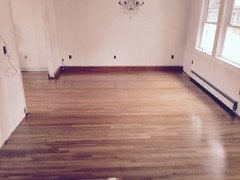
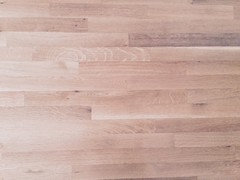
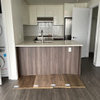
Red/White Oak Floor Mismatch?
9 years ago
last modified: 9 years ago

Featured Answer
Sort by:Oldest
Comments (12)
 9 years ago
Related Professionals
Rome Flooring Contractors · Jacksonville Flooring Contractors · Auburn Flooring Contractors · Fergus Falls Flooring Contractors · Orange County Flooring Contractors · Hays Tile and Stone Contractors · Topeka Tile and Stone Contractors · Charlottesville Tile and Stone Contractors · North Adams Tile and Stone Contractors · Oneonta Tile and Stone Contractors · Logan Tile and Stone Contractors · Calgary Tile and Stone Contractors · Panama City Kitchen Remodelers · Wenatchee Kitchen Remodelers · Montréal Kitchen Remodelers PRO9 years ago
- 9 years agolast modified: 9 years ago
- 9 years ago
 PRO9 years ago
- 9 years ago
- 9 years ago
 PRO9 years ago
- PRO9 years ago
- 9 years ago
- 9 years ago

Related Stories
MORE ROOMSMismatched Rooms Made in Heaven
Take a pass on Stepford Wives style. To truly show off the glorious personality of your rooms, practice the art of mismatching
Full Story
DECORATING GUIDESDIY Project: Sit Pretty with Mismatched Chairs
Create a one-of-a-kind dining set from a collection of cast-offs
Full Story
WOODWoodipedia: Make a Solid Choice With Oak
Forget those low-end products of old. Red and white oak today are beautiful, versatile and relatively inexpensive
Full Story
KITCHEN DESIGNKitchen of the Week: Red Energizes a Functional White Kitchen
A client’s roots in the Netherlands and desire for red countertops drive a unique design
Full Story
KITCHEN DESIGNKitchen of the Week: Big, Bold and Red in Texas
A cheerful red island, accessories with patina, and custom cabinetry give this 1960s kitchen a modern update
Full Story
COLORBathed in Color: When to Use Red in the Bath
Rev up your space and flatter all skin tones with bold, beautiful red on bathroom walls, floors and fixtures
Full Story
HOUZZ TOURSHouzz Tour: A New Home Honors a Historic Neighborhood
Stained glass, red oak floors and other traditional details give a newly built home in Texas an antique feel that fits right in
Full Story
REMODELING GUIDESRenovation Material: Cerused Oak
This traditional material adds welcome texture to the sleek surfaces of modern furniture, cabinetry and more
Full Story
TOWNHOUSESHouzz Tour: Color and Light Transform a Brooklyn Townhouse
Bright red and robin’s egg blue accents set off white walls and wood floors in this bright New York family home
Full Story
REMODELING GUIDESYour Floor: An Introduction to Solid-Plank Wood Floors
Get the Pros and Cons of Oak, Ash, Pine, Maple and Solid Bamboo
Full Story
glennsfc