

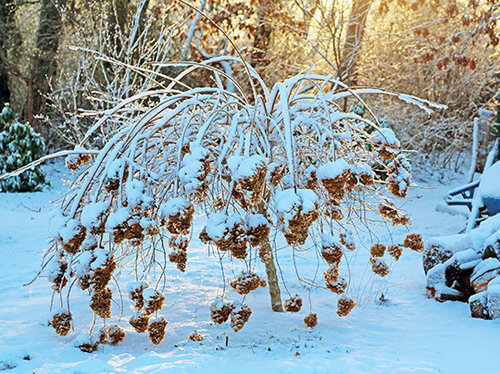
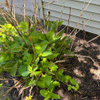
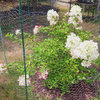
H.p. trees in winter
9 years ago
Featured Answer
Sort by:Oldest
Comments (9)
Related Professionals
New Orleans Landscape Architects & Landscape Designers · Utica Landscape Architects & Landscape Designers · Medford Landscape Architects & Landscape Designers · Birmingham Landscape Contractors · Decatur Landscape Contractors · Kissimmee Landscape Contractors · Hagerstown Landscape Contractors · Norfolk Landscape Contractors · Akron Landscape Contractors · Palm Desert Landscape Contractors · Elizabethtown Design-Build Firms · Charleston Design-Build Firms · New Haven Design-Build Firms · Stockton Design-Build Firms · Dodge City Design-Build Firms 9 years ago
- 9 years ago
- 9 years ago
- 9 years ago
 9 years ago
- 9 years ago
Related Stories

GARDENING GUIDESGarden Myths to Debunk as You Dig This Fall and Rest Over Winter
Termites hate wood mulch, don’t amend soil for trees, avoid gravel in planters — and more nuggets of garden wisdom
Full Story
GARDENING GUIDESBest Barks and Berries for Winter Interest
Brighten winter gardens with trees and shrubs chosen for colorful berries and beautiful branches
Full Story
LIFE6 Ways to Beat the Winter Blahs
Snow and dark days dampening your spirits? These ideas will have you looking on the bright side
Full Story
WINTER GARDENING6 Flowers for Gorgeous Winter Garden Color
Blooming beauties can be yours from January through March — just take your pick from these bulbs, shrubs and even a tree
Full Story
GARDENING GUIDESHave Acidic Soil in Your Yard? Learn to Love Gardening Anyway
Look to acid-loving plants, like conifers and rhododendrons, to help your low-pH garden thrive
Full Story
EDIBLE GARDENSHow to Grow 10 Favorite Fruit Trees at Home
Plant a mini orchard in fall, winter or early spring to enjoy fresh-off-the-tree fruit the following year
Full Story
LIGHTINGIndoor Stars Light Winter Nights
Bring the night sky indoors with twinkling lanterns, star charts, clever curtains and more
Full Story
YELLOW FLOWERSGreat Design Plant: Winter Jasmine Gladdens Snowy Gardens
Sunny yellow flowers defy the frost, bringing cheer to the garden on gray days
Full Story
LIFEShare Your Winter Storm Jonas Photos and Survival Tips!
Let’s see your pictures and hear your ideas on how you’re keeping your house warm and staving off cabin fever
Full Story
GARDENING AND LANDSCAPINGTake a Winter Walk on the Safe Side
Learn how to handle snow, ice and other cold-weather landscape factors to minimize falls and damage
Full Story
NHBabs z4b-5a NH