

building DIY large coldframe (heated, ventilated)
9 years ago
Sort by:Oldest
Comments (4)
Related Stories

GREEN BUILDINGInsulation Basics: Heat, R-Value and the Building Envelope
Learn how heat moves through a home and the materials that can stop it, to make sure your insulation is as effective as you think
Full StoryGREAT HOME PROJECTSHow to Add a Radiant Heat System
Enjoy comfy, consistent temperatures and maybe even energy savings with hydronic heating and cooling
Full Story
GREEN BUILDINGHouzz Tour: Passive House in Vermont Slashes Heating Bills
Its ecofriendly, low-maintenance design leaves a family with more time to relax and enjoy the weekend home
Full Story
HOUSEKEEPINGLower Your Heating Bills With Some Simple Weather Stripping
Plug the holes in your house this winter to make sure cold air stays where it belongs: outside
Full Story
FLOORSWhat to Ask When Considering Heated Floors
These questions can help you decide if radiant floor heating is right for you — and what your options are
Full Story
FLOORSFloors Warm Up to Radiant Heat
Toasty toes and money saved are just two benefits of radiant heat under your concrete, wood or tile floors
Full Story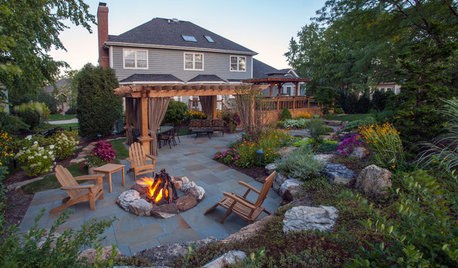
GARDENING AND LANDSCAPING3 Ways to Bring the Heat to Outdoor Living Spaces
Here’s what to know about surviving winter’s bite with an outdoor fireplace, fire pit or heat lamp
Full Story
PRODUCT PICKSGuest Picks: How Do You Spell Urban Heat Relief?
Turn even a small balcony into a summer oasis with retreat-conjuring plants, furniture and accessories
Full Story
GREEN BUILDINGWhy You Might Want to Build a House of Straw
Straw bales are cheap, easy to find and DIY-friendly. Get the basics on building with this renewable, ecofriendly material
Full Story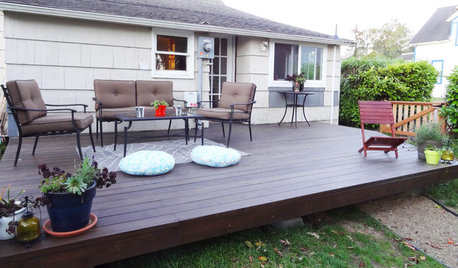
GARDENING AND LANDSCAPINGBuild a Beautiful Platform Deck in a Weekend
Create a polished outdoor space for entertaining by building a basic DIY platform deck in your own backyard
Full Story
Sponsored
More Discussions
hairmetal4everOriginal Author
UpperBayGardener (zone 7)
Related Professionals
Galveston Landscape Architects & Landscape Designers · San Marcos Landscape Architects & Landscape Designers · Detroit Landscape Architects & Landscape Designers · Madison Landscape Architects & Landscape Designers · Modesto Landscape Architects & Landscape Designers · Palm Bay Landscape Contractors · Emporia Landscape Contractors · Saint George Landscape Contractors · Crestview Tile and Stone Contractors · Waycross Tile and Stone Contractors · Johnson City Tile and Stone Contractors · Austin Tile and Stone Contractors · Harrisonburg Tile and Stone Contractors · Fort Wayne Tile and Stone Contractors · Grand Rapids Tile and Stone ContractorsKevin Reilly
hairmetal4everOriginal Author