

Need help with improving my soil.
9 years ago
Sort by:Oldest
Comments (13)
Related Stories
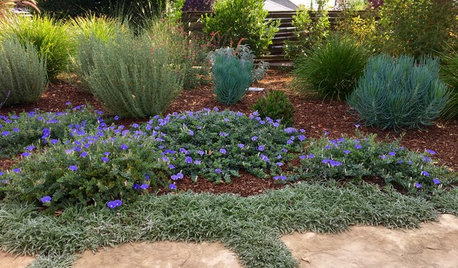
GARDENING GUIDESWhat to Do This Fall to Build Healthy Garden Soil
Take advantage of the cool season to improve soil texture and replenish nutrients
Full Story
CONTAINER GARDENSContainer Gardening Basics: The Dirt on Soil
Learn the types of potting soil available and the best mixes to help your containers thrive
Full Story
GARDENING GUIDESGardening Solutions for Heavy Clay Soils
What’s a gardener to do with soil that’s easily compacted and has poor drainage? Find out here
Full Story
GARDENING GUIDESThe Poop Scoop: Enrich Your Soil With Good Old Manure
Get over the ick factor already — this natural super-ingredient for soil has so many benefits, you'll wonder why you ever went chemical
Full Story
GARDENING GUIDES10 Solutions for Soggy Soil
If a too-wet garden is raining on your parade, try these water-loving plants and other ideas for handling all of that H2O
Full Story
GARDENING GUIDESHow to Pick a Mulch — and Why Your Soil Wants It
There's more to topdressing than shredded wood. Learn about mulch types, costs and design considerations here
Full Story
FARM YOUR YARDHow to Get Good Soil for Your Edible Garden
The nutrients in your soil feed the plants that feed you. Here are tips on getting it right — just in time for planting season
Full Story
LANDSCAPE DESIGNHow to Shape a Rain Garden and Create the Right Soil for It
Learn how to grade, lay out and amend the soil in your rain garden to support your plants
Full Story
GARDENING GUIDESHow to Stop Worrying and Start Loving Clay Soil
Clay has many more benefits than you might imagine
Full Story
DECORATING GUIDESImprove Your Style Fortune With Lucky Bamboo
Serve this versatile plant straight up or with a twist for auspicious living decor that thrives without soil
Full Story
davidinscOriginal Author
User
Related Professionals
Crestview Landscape Architects & Landscape Designers · Oxford Landscape Architects & Landscape Designers · Morgantown Landscape Architects & Landscape Designers · Des Moines Landscape Architects & Landscape Designers · Webster Landscape Architects & Landscape Designers · Westerly Landscape Architects & Landscape Designers · Chico Landscape Architects & Landscape Designers · Augusta Landscape Contractors · Effingham Landscape Contractors · Miami Landscape Contractors · New Bedford Landscape Contractors · Albuquerque Landscape Contractors · Idaho Falls Landscape Contractors · Newburyport Stone, Pavers & Concrete · Monroe Stone, Pavers & ConcretedavidinscOriginal Author
monomer
User
davidinscOriginal Author
User
kimmq
davidinscOriginal Author
davidinscOriginal Author
toxcrusadr
User
davidinscOriginal Author