

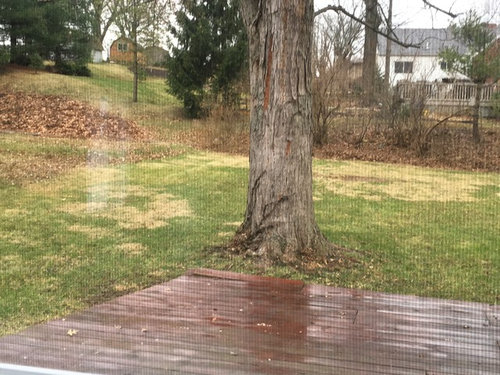
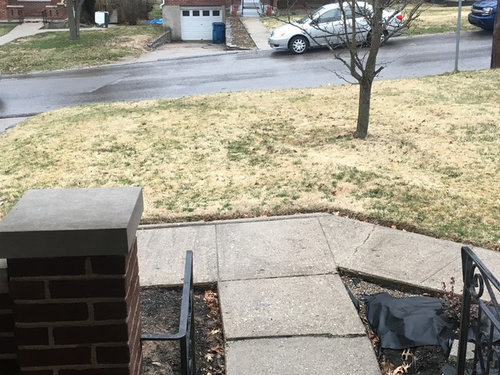
What's wrong with my grass?
9 years ago
Sort by:Oldest
Comments (5)

Related Stories
GARDENING GUIDESWhat's Wrong With My Plant? Leaves Often Hold the Clues
Learn how to identify common plant ailments by reading their leaves
Full Story
SUMMER GARDENINGGreat Design Plant: Pink Muhly Grass
Bring billowing clouds of pink to your yard with this heat-tolerant, sun-loving ornamental grass
Full Story
GARDENING GUIDES5 Great Grasses for a New Lawn
Learn about maintenance, wear tolerance, ideal climate and more for these top turf choices to pick the right one for you
Full Story
GARDENING GUIDESSmall Gem Lawns: More Impact From Less Grass
Instead of letting the lawn sprawl, make it a shapely design element in your yard. You’ll reap benefits both practical and aesthetic
Full Story
GRASSESHow to Rock a Lawn
Weekend Project: The key to healthy grass begins with the soil. If turf works for you, here’s how to fix it and keep it looking its best
Full Story
GARDENING GUIDESGreat Design Plant: Carex Sprengelii
Fit for nearly any site, Sprengel’s sedge makes for a low-care, healthy garden
Full Story
INSPIRING GARDENSLawn Gives Way to a More Natural Lakeside Garden
Meadow grasses, beach pebbles and driftwood replace turfgrass in a nature-friendly landscape on Lake Washington’s shore
Full Story
LANDSCAPE DESIGN15 Great Ideas for a Lawn-Free Yard
End the turf war for good with hardscaping, native grasses and ground covers that save water and are easier to maintain
Full Story
PLANTING IDEASGreat Garden Combo: A Fall Landscape Scene That Lasts
Span the seasons with trees, shrubs and grasses that offer color and texture in abundance
Full Story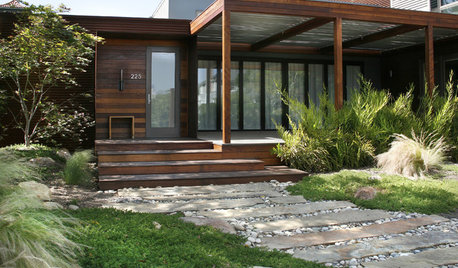
LANDSCAPE DESIGN7 Low-Maintenance Lawn Alternatives
Turf isn't the only ground cover in town. Get a lush no-grass lawn with clover, moss and other easy-care plants
Full Story
User
Chris WatsonOriginal Author
Related Professionals
Shreveport Landscape Architects & Landscape Designers · St. Louis Landscape Architects & Landscape Designers · Spartanburg Landscape Architects & Landscape Designers · McAllen Landscape Architects & Landscape Designers · Torrington Landscape Architects & Landscape Designers · Morgantown Landscape Contractors · Alexandria Landscape Contractors · Paducah Home Builders · Gulfport Home Builders · Cookeville Home Builders · Spring Home Builders · Hackettstown Home Builders · Monroe Home Builders · Stockton Home Builders · Toronto Home BuildersUser
Chris WatsonOriginal Author
dchall_san_antonio