

Natural selection
9 years ago
last modified: 9 years ago
Sort by:Oldest
Comments (4)
Related Stories
COLORNature’s Color Wisdom: Lessons on Yellow From the Great Outdoors
Let the sunshine in. These ways to use yellow will cheer up your interiors and make Mother Nature proud
Full Story
RUSTIC STYLEWhen Mother Nature Meets Your Modern Nature
Longing for a cabin feel that suits your modern tastes? Here are some ingredients for the perfect aesthetic blend
Full Story
KITCHEN DESIGNSeeing Green: Some Kitchens Ditch White for Mother Nature’s Neutral
It’s typically the primary color in gardens. Now green is having a moment in the kitchen
Full Story
COLORNature’s Color Wisdom: Lessons on White From the Great Outdoors
Blizzard fierce or butter soft, white can highlight shapes, unify a room and perform miracles on the cheap
Full Story
LANDSCAPE DESIGN5 Steps to Selecting the Right Plants for a Rain Garden
A simplified look at selecting plants for a rain garden
Full Story
KITCHEN DESIGN8 Kitchen Sink Materials to Consider
Learn the pros and cons of these common choices for kitchen sinks
Full Story
COLORSpeed-Dial Color Selection to Get the Best Result
You’ve belabored your color decisions and are still stuck. Here is how to evaluate your space and make choices that are right for you
Full Story
ROOFSWhat to Know Before Selecting Your Home’s Roofing Material
Understanding the various roofing options can help you make an informed choice
Full Story
Pro Corner: Selecting a Style for the Photos in Your Projects
Learn the key architectural and decor features to look for when categorizing your photos by design style
Full Story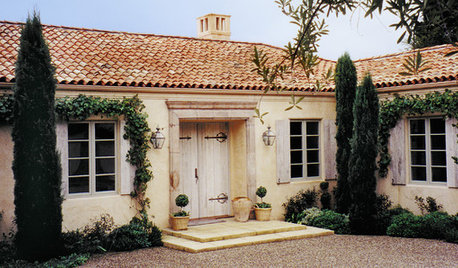
REMODELING GUIDES8 Natural Home Materials That Can't Be Beat
See how designing with natural stone, clay, wood and more can give a house luminosity, depth of color and lasting appeal
Full Story
Sponsored
dchall_san_antonio
User
Related Professionals
Myrtle Beach Landscape Architects & Landscape Designers · Orangeburg Landscape Architects & Landscape Designers · McAllen Landscape Architects & Landscape Designers · Los Angeles Landscape Architects & Landscape Designers · Missoula Landscape Architects & Landscape Designers · Joplin Landscape Contractors · Greensboro Landscape Contractors · Vineland Landscape Contractors · College Station Landscape Contractors · Kennewick Landscape Contractors · Yakima Landscape Contractors · Ottawa Landscape Contractors · Orlando Home Builders · DeRidder Home Builders · Oxford Home Buildersowlnsr
danielj_2009