Software
Houzz Logo Print
tandog

Cat palm SOS

9 years ago
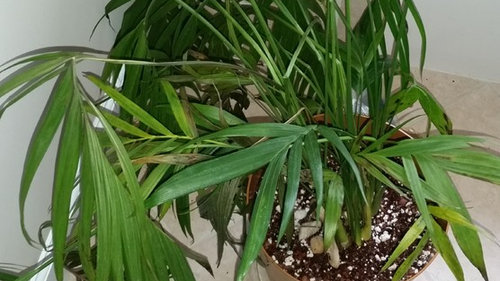
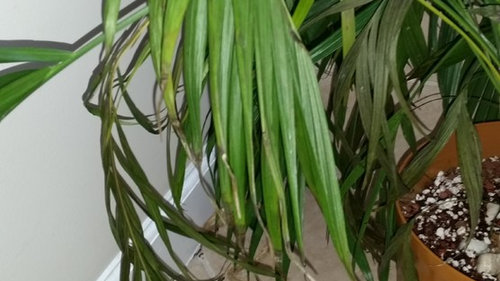
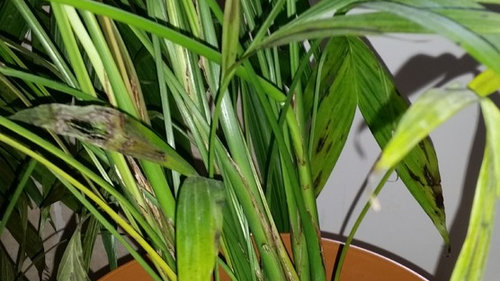
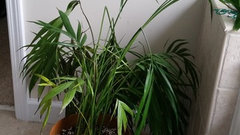
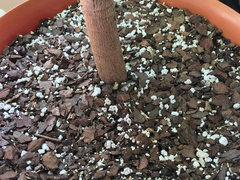
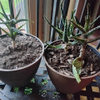
It's only been with us for a month and a week, did well for a few weeks, repotted in 1:1:1 bark fines/lava rock/coarse perlite, has drain holes. Started drooping slightly a week or two ago and the last few days has gotten dramatically worse with wilting, turning brown, crispy, fronds bending over worse by the day. Ideas? Disease related to the brown spots on it maybe? Started going downhill after I first noticed a few on a frond

Watered with foliage pro yesterday, first time feeding, is worse today

Comments (18)

  • 9 years ago

    Looked like your typical healthy stock-image cat palm just a little while ago


  • 9 years ago
    last modified: 9 years ago

    Sounds like a gritty mix of some sort. I never use these on real water lovers. I can count on one hand the number of plants I use gritty mix on (mostly my cycads, cacti, succulents, or bromeliads). I know that gritty mix is a veritable mantra on this site, so I tend not to post here.

  • 9 years ago
    last modified: 9 years ago

    How wet is the soil? How pot-bound was it? I suspect a watering issue, such as too much or too little water. Also, palms don't take well at all to bare-rooting, and it could be suffering from transplant shock. I have 38 houseplants and I don't use store-bought potting soil too often. I mix together some of our native clay, with peat, gravel, compost, and pine bark nuggets. Works wonderful for all of my containerized plants. And no, there are no measurements, just experiment how you like when mixing it together. I have a slightly similar palm, but it is 'neanthe bella'. I typically give it a glass of water weekly. Also, does the pot drain? Palms tend to need good drainage.

  • 9 years ago

    I don't know much about palms but do NOT use native soil for houseplants. That's a good way of inviting all sorts of problems into an already delicate process.

  • 9 years ago

    Agreed with above. Clay and compost do not belong in containers. Compost belongs in raised beds and clay belongs in the ground.

  • 9 years ago

    Well, it works for me. I suppose you could substitute your native soil with a potting mix, or another bagged soil. Potting mix is expensive, and my method works just as well for me.

  • 9 years ago

    Native soil is a really bad idea for indoor potted plants.

    The way water behaves in a container is completely different than the way water behaves in the ground.

    You also risk introducing pests.

  • 9 years ago
    last modified: 9 years ago

    Yeah I know about the pests. Spider mites have been a problem in the past with begonias, but I didn't use native soil for them. They didn't live long enough to repot. My other plants have done pretty well.

  • 9 years ago
    last modified: 9 years ago

    I know it saves money, but if you really want to do what's in the plants best interest, you'd make a soil mix yourself. But without any native soil from the ground.

    5 parts sifted pine bark fines, 1 part peat, 1 part perlite and some dolomite lime is one of the best mixes you can use.

  • 9 years ago

    I will look into that when I repot some more of my plants (my red hibiscus rosa-sinensis is next).

  • 9 years ago

    Yes pot drains, after this insight i'm thinking it's probably transplant shock like you said, from being bare rooted. Potentially combined with some underwatering? I'm not used to water habits of gritty mix yet.

    Does anyone think it's going to make it, or lost cause?

    Also, if palms shouldn't be bare rooted, how do we ensure their container environment isn't retaining moisture unevenly in places from the (likely more retentive, on the plant from the store) soil on the roots? Do we just watch carefully for rot?

    As for the debate going on in here, probably worth skimming through/brushing up on container mix knowledge: http://forums2.gardenweb.com/discussions/1375349/container-soils-water-movement-and-retention-xviii from tapla, smartest guy on here re:containers

  • 9 years ago

    When you re-pot, gently tease the roots, correct any root problems (remove rotten roots, remove dead roots, loosen encircling roots, etc.). Palms should never be bare-rooted. Stick your finger down into the soil, and see how wet it is. If it is overly wet, don't water. If it is dry, water. Most palms prefer to dry out between watering (I give mine a glass of water each thursday). Bare-rooting is for bonsai, or extremely pot-bound woody plants. You shouldn't have to worry about rotten roots if you water correctly.

  • 9 years ago
    last modified: 9 years ago

    If you're repotting and completely switching soils from something peat based to the gritty mix, you NEED to bare root. You don't want two totally different mixes together like that.

    Some plants might react different to bare rooting, but if you do it correctly and keep the roots misted and wet while working with them, there's no reason you can bare root a palm.

    sticking your finger in the soil isn't the best way to tell if it needs water. You're feeling the first inch or two of soil and have no clue how wet things are further down.

    The best way to tell is the sharpened wooden dowel method.

    Stick it in all the way to the bottom and pull it out immediately.

    if it's dark, stained and has soil stuck to it, don't watter.

    Keep checking often and water when the dowel comes out clean and dry.

    tandog thanked Dave
  • 9 years ago

    All good info, thanks!

    Does my plant in particular have any chance of making it at this point though? And if so how should I best go about rescuing it?

    Thinking back i think i probably let the roots get too dry when i was repotting

  • 9 years ago

    Yeah..... letting the roots sit exposed for a long period of time is never a good idea. When I dig out plants to put in pots (not houseplants, but the trees and shrubs that I sell) I usually keep them in 5 gallon buckets of water until they are potted. Also, I don't see that it was necessary to switch to gritty mix, it would have done fine in normal, well-draining potting soil. I have also used the "wooden dowel" method, but inserting my finger into the soil is usually sufficient.

    tandog thanked Logan L Johnson
  • 9 years ago

    As has been mentioned, your plant could be suffering from transplant shock. If the roots were not kept moist during the procedure, then the root system was likely traumatized and the plant is in shock. It should be able to recover but that will take time if the root system was damaged.

    Do keep in mind that with more water loving plants, gritty mix will work fine, BUT you will need to water more often. Until the plant recovers, no direct sun ...just bright indirect light in a warm (not hot) location. Keep the media moist but not sopping wet -- the roots, if damaged, will need time to regrow and adjust.

  • 9 years ago
    last modified: 9 years ago

    It's perfectly fine to let the soil dry up a bit when it's in that condition. Like Paul said transplant shock it common esp in the winter. If you are constantly watering and the roots aren't moving that'll just lead to rot.