

6B Lawn Fert Program - Thoughts? (Blended grass types)
9 years ago
last modified: 9 years ago
Sort by:Oldest
Comments (2)
Related Stories

GARDENING GUIDES5 Great Grasses for a New Lawn
Learn about maintenance, wear tolerance, ideal climate and more for these top turf choices to pick the right one for you
Full Story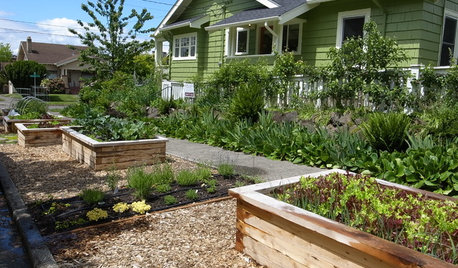
BEFORE AND AFTERSSee 6 Yards Transformed by Losing Their Lawns
Wondering whether a turf lawn is the best use of your outdoor space? These homeowners did, and they found creative alternatives
Full Story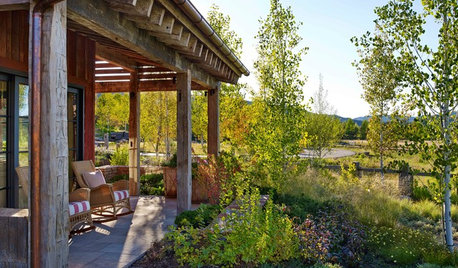
EVENTSSee 5 Colorado Landscapes That Blend Nature With Artistry
These Denver and Aspen gardens — part of the Cultural Landscape Foundation’s Garden Dialogues series — embrace their larger environments
Full Story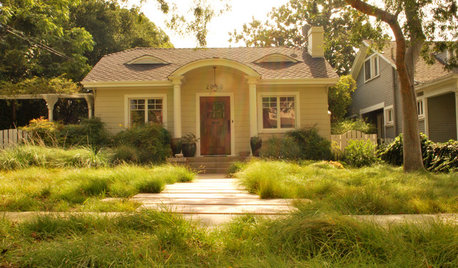
MOST POPULARMeet a Lawn Alternative That Works Wonders
Carex can replace turfgrass in any spot, is low maintenance and adjusts easily. Add its good looks and you’ve got a ground cover winner
Full Story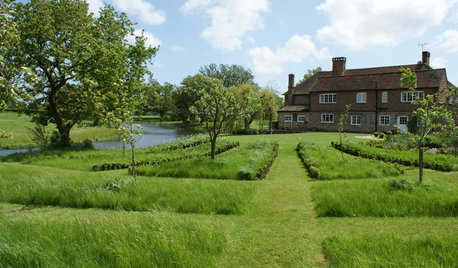
GRASSESHow to Rock a Lawn
Weekend Project: The key to healthy grass begins with the soil. If turf works for you, here’s how to fix it and keep it looking its best
Full Story
LANDSCAPE DESIGN15 Great Ideas for a Lawn-Free Yard
End the turf war for good with hardscaping, native grasses and ground covers that save water and are easier to maintain
Full Story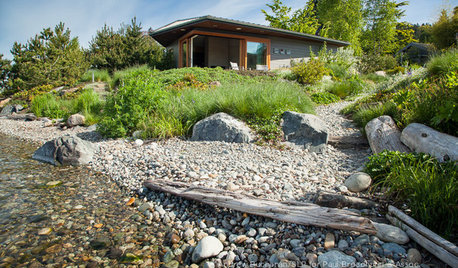
INSPIRING GARDENSLawn Gives Way to a More Natural Lakeside Garden
Meadow grasses, beach pebbles and driftwood replace turfgrass in a nature-friendly landscape on Lake Washington’s shore
Full Story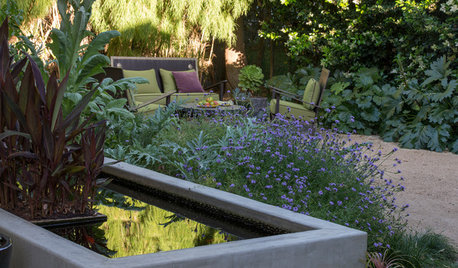
SAVING WATERHouzz Call: Are You Letting Go of Your Lawn?
Many facing a drought are swapping turf for less thirsty plantings. If you’re one of them, we’d like to hear about it
Full Story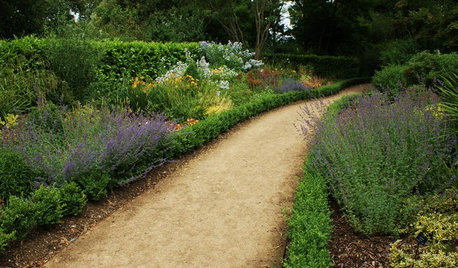
LANDSCAPE DESIGN5 Gravel and Stone Types for a Rockin' Landscape
Give your garden design some textural bam with pebbles, granite, river rocks and other permeable materials
Full Story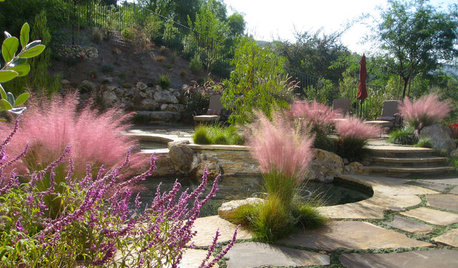
GRASSES10 Ways to Use Ornamental Grasses in the Landscape
These low-maintenance plants can add beauty, texture and privacy to any size garden
Full Story

User
User
Related Professionals
New Orleans Landscape Architects & Landscape Designers · Hagerstown Landscape Architects & Landscape Designers · Taunton Landscape Architects & Landscape Designers · Portland Landscape Architects & Landscape Designers · Brunswick Landscape Contractors · Anderson Landscape Contractors · Champaign Landscape Contractors · Portland Landscape Contractors · Evanston Landscape Contractors · Bronx Landscape Contractors · Evansville Home Builders · Saint Joseph Home Builders · Vicksburg Home Builders · Canton Home Builders · Wheeling Home Builders