

Sheet Vinyl vs LVT
9 years ago
Featured Answer
Sort by:Oldest
Comments (8)
 9 years ago
Related Professionals
Springfield Flooring Contractors · Philadelphia Flooring Contractors · Plainfield Flooring Contractors · Elmira Flooring Contractors · Saint Marys Flooring Contractors · Spanish Fork Flooring Contractors · Spartanburg Tile and Stone Contractors · Amherst Tile and Stone Contractors · Taunton Tile and Stone Contractors · Alexandria Tile and Stone Contractors · Grand Island Tile and Stone Contractors · Kingman Tile and Stone Contractors · Denver Tile and Stone Contractors · Johnson City Kitchen Remodelers · Carson City Kitchen Remodelers- 9 years ago
- 9 years ago
- 9 years ago


Related Stories
REMODELING GUIDESThe Case for Linoleum and Vinyl Floors
Have pets, kids and a tight budget? Easy-care resilient floors may be the choice for you
Full Story
FLOORSNew Groove: Vinyl Floors Are Back!
First vinyl records made a comeback, now floors. See how, where and when to use this durable, easy-to-clean material
Full Story
FLOORS5 Reasons Vinyl Flooring Might Be Right for You
This increasingly popular flooring material has some very real benefits
Full Story
WALL TREATMENTSRoll Call: Choose Vinyl Wallcovering for Durability and Style
Vinyl wallcovering can pep up and protect your walls. Learn about the 4 types and which is best for you
Full Story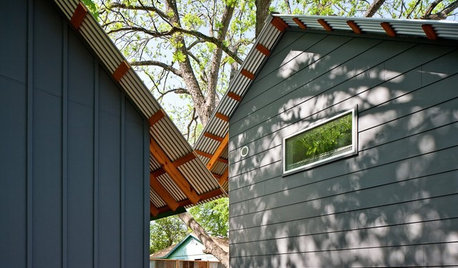
REMODELING GUIDESFiber Cement Siding Takes a Front Seat
Not just a wood or vinyl substitute, fiber cement is a stellar siding choice in its own right for modern home exteriors
Full Story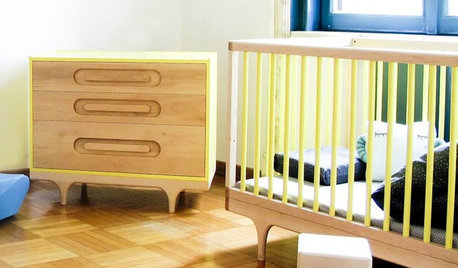
HEALTHY HOMEGive Your Baby the Healthiest, Safest Nursery Possible
Protect your newborn by choosing nontoxic nursery furniture, bedding, rugs and paint. We give you all the details here
Full Story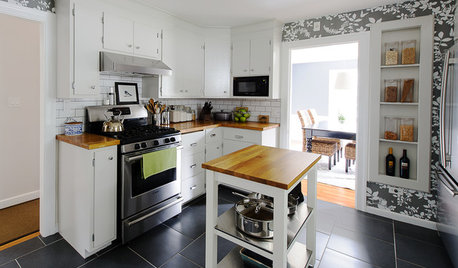
KITCHEN DESIGNKitchen of the Week: A Budget Makeover in Massachusetts
For less than $3,000 (not including appliances), a designing couple gets a new kitchen that honors the past
Full Story
DESIGN DICTIONARYMuntin
Dividing panes of glass on a window, muntins can be decorative as well as functional
Full Story0
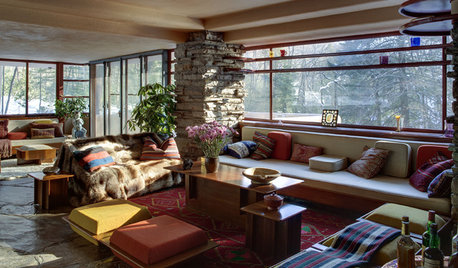
WINDOWSSteel-Framed Windows Leap Forward Into Modern Designs
With a mild-mannered profile but super strength, steel-framed windows are champions of design freedom
Full Story
KITCHEN BACKSPLASHESTin's a Win for Kitchen Backsplashes
Durable tin has come down from the ceiling and out of Victorian times to decorate backsplashes today
Full Story
Cancork Floor Inc.