Software
Houzz Logo Print
pupillacharites

Vermicompost store tomatoes/potatoes?

9 years ago

Of course you can do it, but, being new to this and having a rather disease free tomato patch (quarantine zone :-), I'd love to hear what experience and opinions anyone has regarding vermicomposting Solanaceous veggies bought from the store.

I'm going to make a worm bin for the first time and really think it is a bad idea to put tomato scraps, and also wonder about potatoes, peppers, eggplant. Plus strawberries which frequently get gray mold when I toss them on a compost pile. Do they worms work curative miracles or would I be just adding disease to my plants with the resulting worm castings produced from store bought scraps the little ones vermicompost?

Most tomatoes that I cook, even in growing season are store bought. Even the home grown paste tomatoes go into fresh sauces, garnishes and salsas. So there is the issue that store bought scraps always seem to have anthracnose and/or a host of similar scary stuff which does not usually appear on my plants.

Any good advice or opinions?

Thanks!

PC

Comments (18)

  • 9 years ago

    I wish I could help, but I really don't know the answer :( I had a worm bin years ago and don't remember any problems, but I didn't have diseased tomatoes.


    Just had a horrible case of Damping Off after using potting mix that the mice had been in. (They left a fiberglass nest behind and presumably a lot of droppings).


    Just HAD to say WELCOME BACK :)


    Linda

    PupillaCharites thanked Labradors
  • 9 years ago

    I personally wouldn't worry about adding the scraps to the worm bin. But then I add kitchen scraps to my compost pile already and use that compost in my garden without a second thought.

    I don't really have the time right now to look it up but it is my understanding that diseased plant matter is neutralized when it passes through the gut of a worm. Although that might depend on what disease the plant matter had. Obviously you wouldn't want to intentionally add diseased plant matter to a worm bin but I don't see a reason to omit things because of a perceived potential risk.

    Oh, and there is a Vermicomposting Forum if you want to do some reading over there.

    Rodney

    PupillaCharites thanked theforgottenone1013 (SE MI zone 5b/6a)
  • 9 years ago

    Thanks Linda, and so glad to see you here again and missed your pleasant cheer! Those mice you had make me feel like I'm obsessing over nothing, but hey, I'd like to get to the bottom of how risky it really is in a balance of experienced worm people who give priority to tomatoes and don't just say, "Oh just toss it in, it won't hurt."


    Thanks Rodney, maybe I ought to read up there and follow your tip, though I get the feeling tomato folk are more in tune with these risks. I guess the question is whether if the worms can eradicate it or just get rid of most of it which might not be what I'm looking for. You bring up another thing I wonder in MI where it freezes and you can prepare a year before, while I'm here in coastal FL where disease takes up permanent snow-bird residence. Thanks

    PC

  • 9 years ago

    Never tried that so I have no clue. Just really wanted to say good to see you!

    PupillaCharites thanked hoosier40 6a Southern IN
  • 9 years ago
    last modified: 9 years ago

    Hi Hoosier! Thanks for the friendly hello, and likewise, I'm so glad to see you still active on this wonderful open forum!

    Hi theparsley and thank you so much for posting the great summary of the NIH article here. I think vermicomposting is going to continue growing in popularity until it is the next most common thing to recycling bins, at least I hope so!

    Two things about a careful read of the article summary, and not to take away from the merits of vermicomposting which are acclaimed and long accepted as a wonderful part of the web of life.

    (1) The article seems to refer to nightcrawlers in the growing medium, which makes sense. The probably eat decaying underground roots and severely curtail the spread of Fusarium and other types of soil-borne pathogens which they no doubt include to some extent in their diet as well. So if you have these issues or want to prevent them, worms are a great ticket!

    (2) In my case I want to use kitchen scraps including store bought tomato waste. It is clear the worms will help, but quoting your source above "disease severity reduced by 50-70% when soils were augmented with earthworms" and it goes on with even nicer sounding benefits of disease suppression. So, by inference, amending vermicompost into the tomato garden will provide a wide spectrum of suppression, but it will not necessarily block it. I think it is safe to say vermicompost is great, earthworms in the garden even better; but in my containers vermicompost is not a barrier to the introduction of pathogens not previously present and by vermicomposting store bought tomatoes with latent or expressed diseases, I can infect the containers unless I cooked the compost somehow making the amendment process more awkward in my case.

    Thanks kindly as this shines a light on vermicompost and its use.

    PC

  • 9 years ago

    Very cool Parsley! Thanks for sharing this info with us.

    I hear that Costco is selling worm castings (in the US), Hopefully, we will be as lucky, north of the border as I'd like some for my seedlings.


    Linda


  • 9 years ago

    The article is a broad review article that cites multiple studies; the little extract I quoted cites dozens of studies of different scenarios - some of them involving live worms in the growing medium, and others where vermicompost is used to amend the growing medium. I was just hoping to demonstrate the broad applicability of vermicomposting to pathogen reduction.

    I cannot easily find an open access study to address your exact concern, which is that food scraps might introduce pathogens into the worm bin, which would then survive the vermicomposting process, get into your soil and infect your plants - but I think it unlikely in the extreme. Being digested by worms is about the most effective pathogen-killer there is - the worms' own digestive fluid contains antimicrobial peptides, and the beneficial bacteria in the worms' guts also secrete substances that kill competitors - send a killer to catch a killer. Vermicomposting is considered so effective in eliminating pathogens from waste materials that it is used to process sewage sludge into fertilizer! So I wouldn't be worried about your home vermicomposting bin, especially if you have a good population of worms and let the worms work the compost for a long time so that the end product is completely processed.

    PupillaCharites thanked theparsley
  • 9 years ago

    "...if you have a good population of worms and let the worms work the compost for a long time..."

    Thanks Parsley, a very good point and worth some practical work. The good thing about containers is the ability to toss out a whole container plant and all, so I'll do this for one or two and should any disease show up I can immediately remove and destroy it and chalk it up to a test. I am pretty excited to try it out!

    The thing about tomato growers like me, is we are really obsessive and monocrop a little much because that's where our interest is. And crazy protective about some of the recurrent bad actors that are not universally present and have not given us trouble in the past due to careful cultural practices.

    That said, it seems like a whole world of interesting stuff going on and how would I know when the worms have thoroughly processed everything? Could you give any pointers on how many red wiggler worms I would want in an 16 gallon tote prepared and run healthily, receiving a half pound of vegetable scrap a day, and how long I should add and then how long it should coast? I bet that is a naive question but just to have an idea, since I wouldn't know thoroughly processed from raw sewage at this point :-)


    Cheers

    PC

  • 9 years ago

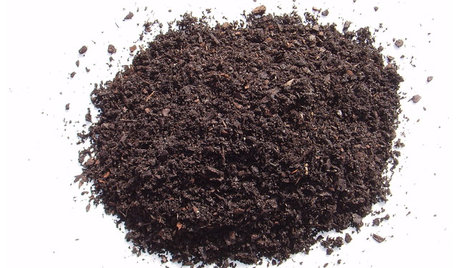
    Finished vermicompost looks like...this

    http://www.agrifarming.in/wp-content/uploads/2016/09/Finished-Vermicompost.png


    If you are feeding half a pound of scraps per day, about a pound of red wigglers should be right (they are sold by the pound, since nobody sits there counting out worms...) It's about 1000 individual worms, give or take - depends on whether you've got all adults or adults plus smaller worms. You want a minimum of a square foot of surface area per 1000 worms. Most bin systems have you start out with a pound of worms.

    It's easier to separate out the older material in the bin from the newer material if you have the kind of bin with multiple trays, or a flow-through bin. If you have just one big bin, it's trickier. It might work better to have two separate, smaller bins and just alternate which one gets the new food by one or two month intervals. A pretty long lead time before you get your first, fully processed batch that you can actually use, unfortunately - probably at least three months or more.

    PupillaCharites thanked theparsley
  • 9 years ago
    last modified: 9 years ago

    Shouldn't be a problem. I have a worm bin and I toss in all my leftover vegetable scraps after freezing them. I recommend freezing the scraps to avoid any fruit flies or other pests. Also it helps to break down the cellular structures making it easier for the worms to consume.

    One thing to be mindful of is insecticide treated leaves. I made the mistake of tossing in a few mint leaves that were treated with homemade insecticidal spray. I rinsed the leaves beforehand, but the leaves contained enough of the insecticide to poison the worms. You can tell if the worms are dying if you smell ammonia or see them fleeing the bin. In my case there was a strong whiff of ammonia (and no worms as had they already disintegrated).

    PupillaCharites thanked miscel
  • 9 years ago
    last modified: 9 years ago

    Thanks again Parsley, I admire your passion coming through in your answers. You've given me enough to decide to take the worm plunge, great another project :-| It does sound like a lot of fun. Unfortunately you had to mention the more complicated bin designs, so now my barrier to hit the ground running is to see if I can come up with something better than the basic double tote, or as you suggested, two double totes alternating. Best to Googling someone else's economical worm farm design since this is one wheel I don't want to reinvent, and adapt it to my lower consumption (or, add to my resume, ninja night scavenger for cardboard out of everyone's recycling bins).

    Great pointers on worms mass and compost timeline/appearance. I see there was a vermicomposting map on what appears to have been an old vermicomposting forum that got overly spammed before the vermi-people migrated into the more pleasant pH of the spam in your GW forum. $30 retail may be reasonable shipped for a pound red worm blend, but I would love to avoid the shipping and find a local, save a little money and help them too, so I'll call around. I guess the map is history, though which would have been a nice resource to have.

    Miscel, thank you too, you really got me thinking! Great suggestion on freezing and now you got me looking at pre-digesting too, for additional reasons. It may be that some of the molds and fungi that thrive on fresh scrap combinations initially, eventually out compete the bad tomato pathogens that I worry about (and not the reverse). Something along the lines of fermentation does for saving tomato seeds. The caution is like water off a duck's back at the moment, but something tells me there is more TLC than I originally thought to caring for the worm population, before I go off generating a festering pile of ammonia myself after spending all the thought building a great cabinet instead of tote.

    Cheers

    PC

  • 9 years ago

    Definitely check out the vermicomposting forum here. The guys know their stuff and you may be able to get some free cocoons from them. There was thread a few years back where some people were mailing cocoons for the cost of postage. I'm not sure if that's still happening, but it wouldn't hurt to ask. I wish I had some to send you, but I accidentally killed off my second bin of worms. I have very small bins.

    Good luck with vermicomposting!

    PupillaCharites thanked miscel
  • 9 years ago

    Thanks miscel! I wish you did too, and that your worms were still happily at work! Drats!

    This weekend, I drove to the only urban farm nearby that I knew of where there used to be a retired couple who among the things, with great pride had a very large vermicomposting setup. I learned sadly the business license is suspended. What a let down.. Shame this is just too common and the work and return are more a labor of love around here than gainful employment. The owner of our pro football team had just invested in their business plan ... Enough to cry about, great place though I thought the land itself was a bad choice.

    Apparently not nearly enough human capital and business savvy, while trying to live the dream close to the land in the suburbs of a big city... And I am now trying to process that this is why worms cost $30 through the mail from established businesses. I certainly haven't found a worm swapping group yet but I'll head to that forum after I get more educated on exactly what it is I need and have to build. Maybe you'll get enthused to try again!

    My best,

    PC

  • 9 years ago
    last modified: 9 years ago

    Take a look at a local bait store for "leaf worms" or "panfish worms". I know that around here they are fairly easy to find and are inexpensive. Local names for them may differ but you should be able to find some somewhere.

    Rodney

    PupillaCharites thanked theforgottenone1013 (SE MI zone 5b/6a)
  • 9 years ago

    Sounds interesting. But to me it is too much of and activity to branch out.

    I am already over burdened with taking care of tomatoe, peppers, eggplants, corn, cukes, melons, tobacco, ....

    But I do have a compost bin ( actually a hole in the ground ) that I dump kitchen and garden scraps in it. I emptied it not long ago and started new fill.

    BTW: I got potatoes, melons and tomatoes growing as volunteers in the pile . Not interested in those tomatoes (from winter store bought ), I just let potatoes and melons grow.

    However , I would like to get some worms in there. But there are none around here. I guess I have to visit the bait shop.

    sey

  • 9 years ago

    Thanks Rodney. I took your advice and came up with a tackle and bait shop with, "red wigglers". It was interesting because he said they had two varieties, whatever that meant, he was talking about species I guess. Not worth it though. 30 worms for about $4.00. It would take about five months to get a pound of worms out of that, though I could buy 120 for $16 and cut that to three months. --Assuming I get it right. If there are no other options or if I want to sit on my butt thinking about this, that's a super suggestion which will basically get me online in 6 months.

    Knowing me, I'd probably overfeed my 30 little guys to the unhealthy point of overload. I also found the urban farm owner I posted above about and they are going to the property to check out the remains of the worm bin to see if anything is still in it. I think worm farming is worthwhile, they sell for as much or more than lobster! Yes, it's a fact.

    Sey, it's really a low maintenance thing if you get it right. I predict you're going to try. Tomato Tone or Worm Castings cost around $1.00 per pound and are similar in that they are organically a controlled release of sorts. So if you get into that at all you basically can get a couple of pounds free each week and not be bothered with rotten vegetable scraps, though your compost hole is probably even more convenient...

    Cheers

    PC

  • 9 years ago

    It's pretty well known that bait shops are a more expensive way to acquire composting worms, and they don't usualy sell in the larger quantities needed for vermicomposting. I know some folks have gotten started that way when they couldn't work out another option, but it takes a very long time to breed up a few worms into a working crew.

    You can also try craigslist, freecycle, or local neighborhood mailing lists, Facebook groups, etc. to ask if any hobbyist worm composters could spare some. You can check in people's compost piles, leaf piles, wood chip piles, etc. Horse stables often have some red wigglers hanging out in manure piles.

    PupillaCharites thanked theparsley
Sponsored
Wannemacher Interiors
Average rating: 5 out of 5 stars26 Reviews
Customized Award-Winning Interior Design Solutions in Franklin Cnty OH