

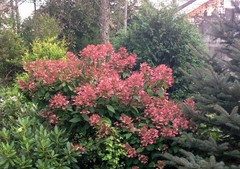
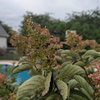
Stunted Quick Fire
9 years ago

Featured Answer
Sort by:Oldest
Comments (7)
Related Professionals
Hot Springs Landscape Architects & Landscape Designers · Hagerstown Landscape Architects & Landscape Designers · Tacoma Landscape Architects & Landscape Designers · Hopkinsville Landscape Contractors · Greenville Landscape Contractors · Austin Landscape Contractors · Fort Worth Landscape Contractors · New Braunfels Landscape Contractors · Webster Landscape Contractors · Jamestown Landscape Contractors · Idaho Falls Landscape Contractors · Montréal Landscape Contractors · Williamsburg Design-Build Firms · Clarksburg Design-Build Firms · Boise Design-Build Firms- 9 years agolast modified: 9 years ago
- 9 years ago
 9 years agolast modified: 9 years ago
 9 years agolast modified: 9 years ago


Related Stories
KITCHEN MAKEOVERSReader Kitchen: A Stunt Driver’s Race Car-Inspired Remodel
Her kitchen color scheme pays homage to Steve McQueen’s classic auto-racing flick
Full Story
DECORATING GUIDESQuick Fix: Find Wall Studs Without an Expensive Stud Finder
See how to find hidden wall studs with this ridiculously easy trick
Full Story
HOUSEKEEPINGThe Quick and Easy Way to Clean a Microwave
All you need is water and a couple of other natural ingredients to get your appliance sparkling and smelling fresh again
Full Story
MONTHLY HOME CHECKLISTSYour Checklist for Quick Houseguest Prep
Follow these steps to get your home ready in a hurry for overnight visitors
Full Story
LIVING ROOMSRoom of the Day: Curiosities Bring Quick Intrigue to a Living Room
From blank box to captivating, exotic concoction, this room goes for the wow factor — and the whole house took just 4 days
Full Story
FEEL-GOOD HOME10 Quick Ways to Cozy Up Your Home for Winter
Make those long, cold evenings a lot more enjoyable with these easy ideas
Full Story
CONTAINER GARDENS3 Steps to Creating Quick, Easy and Colorful Succulent Containers
Take a bright container, add a colorful succulent or two and have a professional, summery design in minutes
Full Story
GARDENING AND LANDSCAPING13 Quick-Change Boosts for a Spring Patio
Enjoy your outdoor room more with these enhancements that are easy, impactful and kind to your budget
Full Story
FURNITUREMeet the Quick-Change Artists of Interior Design
Are you missing a great little stool, ottoman or bench? Just look at the ways they can adapt to what you need now
Full Story
CHRISTMAS10 Quick Solutions for Last-Minute Holiday Problems
Sail right by potential decorating, hosting and gift-giving pitfalls with these invaluable nick-of-time tricks
Full Story
luis_pr