

Crown Rot Question
9 years ago
Featured Answer
Sort by:Oldest
Comments (8)
 9 years ago
Related Professionals
Lynchburg Landscape Architects & Landscape Designers · Beatrice Landscape Architects & Landscape Designers · Lima Landscape Architects & Landscape Designers · Bainbridge Landscape Contractors · Fayetteville Landscape Contractors · Kankakee Landscape Contractors · Westerly Landscape Contractors · Salinas Landscape Contractors · London Landscape Contractors · Mount Vernon Home Additions · Bloomington Home Additions · Cape Girardeau Home Additions · Cherry Hill Home Additions · Rock Hill Home Additions · Augusta Home Additions- 9 years ago
- 9 years ago

Related Stories

REMODELING GUIDESConsidering a Fixer-Upper? 15 Questions to Ask First
Learn about the hidden costs and treasures of older homes to avoid budget surprises and accidentally tossing valuable features
Full Story
MOVINGHiring a Home Inspector? Ask These 10 Questions
How to make sure the pro who performs your home inspection is properly qualified and insured, so you can protect your big investment
Full Story
CURB APPEAL7 Questions to Help You Pick the Right Front-Yard Fence
Get over the hurdle of choosing a fence design by considering your needs, your home’s architecture and more
Full Story
EXTERIORSCurb Appeal Feeling a Little Off? Some Questions to Consider
Color, scale, proportion, trim ... 14 things to think about if your exterior is bugging you
Full Story
REMODELING GUIDESCrown Molding: Is It Right for Your Home?
See how to find the right trim for the height of your ceilings and style of your room
Full Story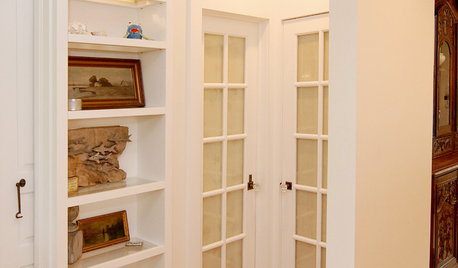
REMODELING GUIDESHow to Size Interior Trim for a Finished Look
There's an art to striking an appealing balance of sizes for baseboards, crown moldings and other millwork. An architect shares his secrets
Full Story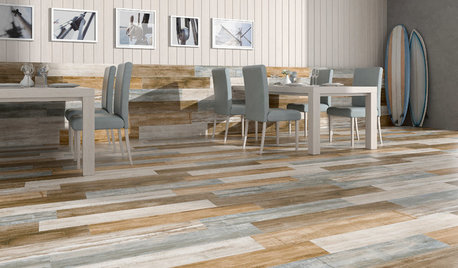
TILETop Tile Trends From the Coverings 2013 Show — the Wood Look
Get the beauty of wood while waving off potential splinters, rotting and long searches, thanks to eye-fooling ceramic and porcelain tiles
Full Story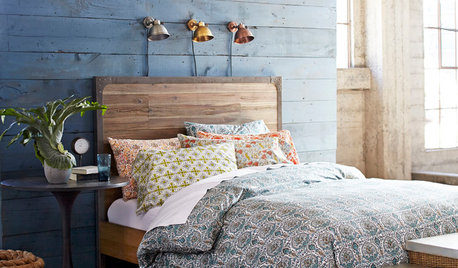
BEDROOMSHouzz Quiz: What Color Should You Paint Your Bedroom Walls?
Cool and soothing, or warm and spicy? Answer these questions and learn what hue is right for you
Full Story
REMODELING GUIDESMust-See Mock-ups for Your Remodel
Avoid 'oops' and 'oh, no' with real-life tryouts of any design elements in question
Full Story


ken_adrian Adrian MI cold Z5