

Question on Kirchen Aid induction range
9 years ago
Sort by:Oldest
Comments (6)
Related Stories
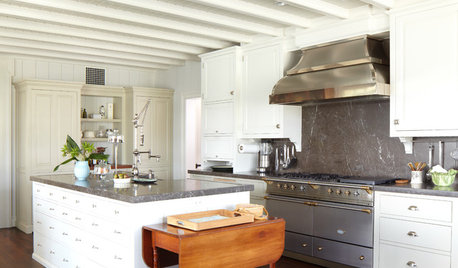
KITCHEN DESIGNHow to Find the Right Range for Your Kitchen
Range style is mostly a matter of personal taste. This full course of possibilities can help you find the right appliance to match yours
Full Story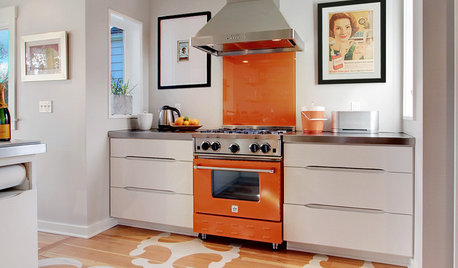
HOUSEKEEPINGHow to Clean Your Range and Oven
Experts serve up advice on caring for these kitchen appliances, which work extra hard during the holidays
Full Story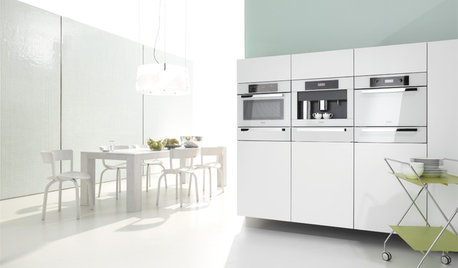
KITCHEN DESIGNWhite Appliances Find the Limelight
White is becoming a clear star across a broad range of kitchen styles and with all manner of appliances
Full Story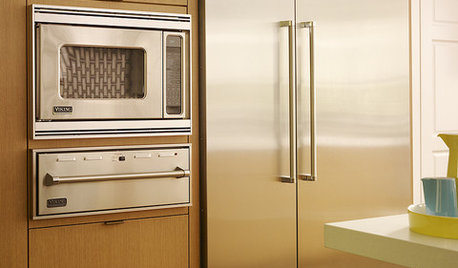
KITCHEN DESIGNA Cook’s 6 Tips for Buying Kitchen Appliances
An avid home chef answers tricky questions about choosing the right oven, stovetop, vent hood and more
Full Story
KITCHEN APPLIANCESFind the Right Cooktop for Your Kitchen
For a kitchen setup with sizzle, deciding between gas and electric is only the first hurdle. This guide can help
Full Story
KITCHEN DESIGNKnow the 3 Zones of Kitchen Storage
Organize storage space around your kitchen’s main activities for easier cooking and flow
Full Story
KITCHEN DESIGNStay Cool About Picking the Right Refrigerator
If all the options for refrigeration leave you hot under the collar, this guide to choosing a fridge and freezer will help you chill out
Full Story
KITCHEN APPLIANCESFind the Right Oven Arrangement for Your Kitchen
Have all the options for ovens, with or without cooktops and drawers, left you steamed? This guide will help you simmer down
Full Story
TASTEMAKERSPro Chefs Dish on Kitchens: Michael Symon Shares His Tastes
What does an Iron Chef go for in kitchen layout, appliances and lighting? Find out here
Full Story
KITCHEN DESIGN11 Must-Haves in a Designer’s Dream Kitchen
Custom cabinets, a slab backsplash, drawer dishwashers — what’s on your wish list?
Full Story
User
kazmomOriginal Author
Related Professionals
Rome Kitchen & Bathroom Designers · Sioux Falls Kitchen & Bathroom Designers · Durango Kitchen & Bathroom Designers · Bismarck Kitchen & Bathroom Designers · Evanston Kitchen & Bathroom Designers · Springfield Bathroom Remodelers · Westminster Bathroom Remodelers · New Haven Bathroom Remodelers · Davenport Bathroom Remodelers · Taunton Bathroom Remodelers · Fergus Falls Bathroom Remodelers · Binghamton Bathroom Remodelers · Dalton Kitchen Remodelers · Vineland Kitchen Remodelers · Huntington Kitchen Remodelersplllog
kazmomOriginal Author
jwvideo
kazmomOriginal Author