

How/when to cross?
9 years ago
last modified: 9 years ago

Featured Answer
Sort by:Oldest
Comments (6)
 9 years ago
Related Professionals
Tallahassee Landscape Architects & Landscape Designers · Gaithersburg Landscape Architects & Landscape Designers · Saint Cloud Landscape Architects & Landscape Designers · Eugene Landscape Architects & Landscape Designers · Spokane Landscape Architects & Landscape Designers · Middlesboro Landscape Contractors · Spanish Fork Landscape Contractors · Amherstburg Landscape Contractors · Jonesboro Architects & Building Designers · Valdosta Architects & Building Designers · Vincennes Architects & Building Designers · Hannibal Architects & Building Designers · Fort Worth Architects & Building Designers · Worthington Architects & Building Designers · New York City Architects & Building Designers 9 years ago
- 9 years ago
- 9 years agolast modified: 9 years ago
- 9 years ago
Related Stories

CONTRACTOR TIPSBuilding Permits: When a Permit Is Required and When It's Not
In this article, the first in a series exploring permit processes and requirements, learn why and when you might need one
Full Story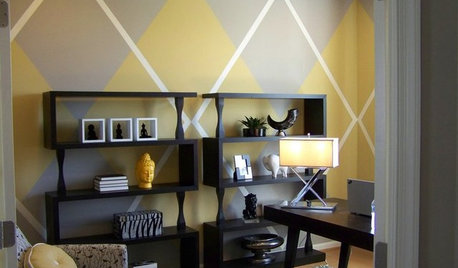
PATTERNArgyle Chic Crosses From Clothes to the Home
Making a dash from socks and sweaters, this pattern adds unexpected style to walls, accessories and even landscapes
Full Story
REMODELING GUIDESWhen Retirement Came Early, a Couple Headed for the Hills
A Seattle pair turn their part-time home into a full-time one, remodeling it to gain views and help it stand up to snow, sun and wind
Full Story
TILEWhen Bigger Is Better: The Dramatic Look of Large-Format Tiles
With fewer grout lines, this versatile material brings a smooth appearance to walls and floors
Full Story
EARTH DAYSee Why Cross-Pollination Is a Plant’s Best Friend
Getting the most from a native plant landscape goes beyond plant selection. You often need compatible partners too
Full Story
REMODELING GUIDESDesigner Sketch: Noel Cross
Hear about the California architect's new net-zero-energy home project and the first time a building brought him to tears
Full Story
HOUZZ TOURSMy Houzz: City and Country Cross Paths in a Dutch Villa
It backs onto a lushly planted waterway and even has a pool, but this Netherlands home never loses sight of its capital skyline
Full Story
PRODUCT PICKSGuest Picks: Cure Style Doldrums With Swiss Cross Accessories
If your home decor could use some reviving, apply these blankets, pillows and tiles and watch it perk right up
Full Story
THE POLITE HOUSEThe Polite House: When the Neighbor’s Dog Meets Your Landscape
How do you navigate those difficult conversations when you don’t want people’s dogs doing their business on your plants and lawn?
Full Story
HOUZZ TOURSMy Houzz: 'When We Buy It, It's Forever'
This family is picky about what fills their vintage-chic Netherlands apartment, and the strategy works beautifully
Full Story
Sponsored
dondeldux z6b South Shore Massachusetts