

Smelly compost from supplier
9 years ago
Featured Answer
Sort by:Oldest
Comments (11)
 9 years agolast modified: 9 years ago
Related Professionals
Cookeville Landscape Architects & Landscape Designers · Johnson City Landscape Architects & Landscape Designers · Aurora Landscape Architects & Landscape Designers · Mansfield Landscape Architects & Landscape Designers · Magog Landscape Architects & Landscape Designers · Miami Landscape Contractors · Murfreesboro Landscape Contractors · Longview Landscape Contractors · Portland Landscape Contractors · Traverse City Landscape Contractors · San Diego Landscape Contractors · Colorado Springs Landscape Contractors · Dothan Stone, Pavers & Concrete · Huntington Stone, Pavers & Concrete · Bronx Stone, Pavers & Concrete- 9 years ago
- 9 years ago
- 9 years ago
- 9 years ago
- 9 years ago
- 9 years ago
- 9 years agolast modified: 9 years ago
- 9 years ago
Related Stories
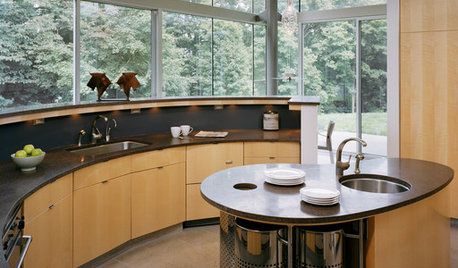
GREEN BUILDINGWhere to Hide the Kitchen Compost Bin
Enriching your soil doesn’t have to mean staring at a countertop pile of decomposing food scraps
Full Story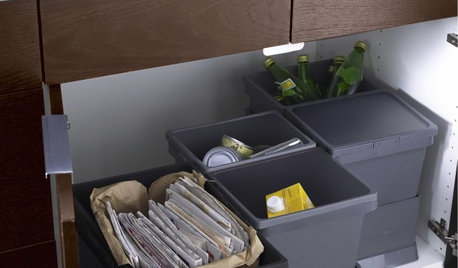
KITCHEN STORAGETake Your Recycling Station From Blah to 'Ahhhh'
Revamp an eyesore setup or just improve recycling efficiency with pullout drawers, stylish containers and innovative solutions
Full Story
KITCHEN DESIGN16 Practical Ideas to Borrow From Professional Kitchens
Restaurant kitchens are designed to function efficiently and safely. Why not adopt some of their tricks in your own home?
Full Story
GARDENING GUIDESHow to Plant a New Lawn From Sod
Take the quick-start route to turf with sod; these installation guidelines will help ensure a healthy and long-lasting lawn
Full Story
EDIBLE GARDENSSummer Crops: How to Grow Tomatoes
Plant tomato seedlings in spring for one of the best tastes of summer, fresh from your backyard
Full Story
MOST POPULAREasy Green: 23 Ways to Reduce Waste at Home
Pick from this plethora of earth-friendly ideas to send less to the landfill and keep more money in your pocket
Full Story
GARDENING GUIDES6 Captivating Roses for an Alluringly Fragrant Garden
Perfume your garden with aromas from richly spicy to lightly sweet, without sacrificing an inch of color
Full Story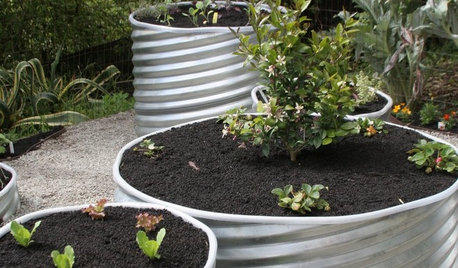
GARDENING GUIDES8 Materials for Raised Garden Beds
Get the dirt on classic and new options for raised vegetable and plant beds, to get the most from your year-round garden
Full Story
LIVING ROOMSHow to Convert Your Wood-Burning Fireplace
Learn about inserts and other options for switching your fireplace from wood to gas or electric
Full Story
ORGANIZING7-Day Plan: Get a Spotless, Beautifully Organized Kitchen
Our weeklong plan will help you get your kitchen spick-and-span from top to bottom
Full Story
daninthedirt (USDA 9a, HZ9, CentTX, Sunset z30, Cfa)