

Woodland plant
9 years ago
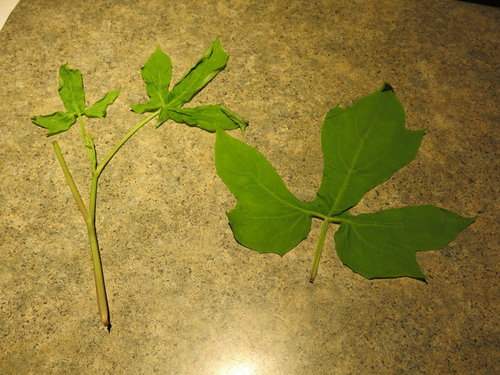
Featured Answer
Sort by:Oldest
Comments (17)
 9 years ago
- 9 years ago
Related Professionals
Hannibal Landscape Architects & Landscape Designers · Cincinnati Landscape Architects & Landscape Designers · Hartford Landscape Architects & Landscape Designers · Spanish Fork Landscape Architects & Landscape Designers · Cape Coral Landscape Contractors · Daytona Beach Landscape Contractors · Annapolis Landscape Contractors · Eureka Landscape Contractors · Spokane Landscape Contractors · Brunswick Stone, Pavers & Concrete · Annapolis Stone, Pavers & Concrete · Greenfield Stone, Pavers & Concrete · Oneonta Stone, Pavers & Concrete · Victorville Stone, Pavers & Concrete · Seattle Stone, Pavers & Concrete 9 years agolast modified: 9 years ago
- 9 years agolast modified: 9 years ago
 9 years ago
- 9 years ago
 9 years ago
- 9 years ago
 9 years ago
- 9 years ago
- 9 years ago
- 9 years agolast modified: 9 years ago
 9 years ago
- 9 years agolast modified: 9 years ago
 9 years ago

Related Stories
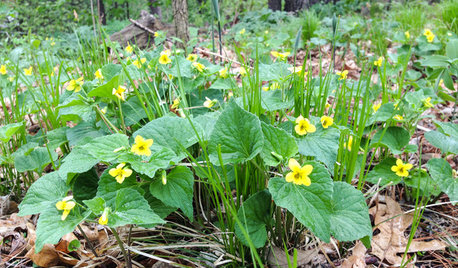
GARDENING GUIDESGreat Design Plant: Viola Pubescens Dots Woodlands With Yellow
Plant downy yellow violet in eastern U.S. woodland gardens for its heart-shaped leaves and bright yellow flowers
Full Story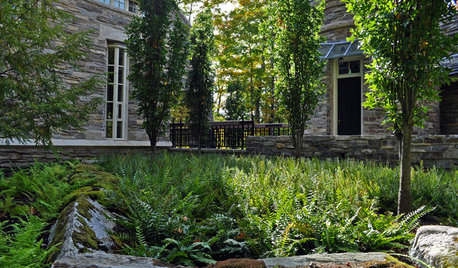
GARDENING GUIDESGreat Design Plant: Woodland Garden Beauty Polystichum Acrostichoides
Eastern U.S. native Christmas fern is a living decoration in the winter woodland garden
Full Story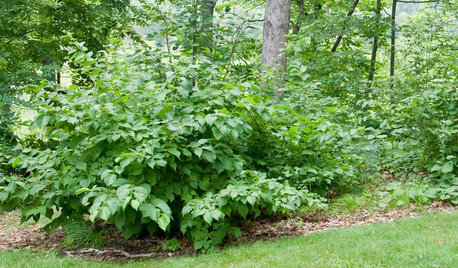
GARDENING GUIDESGreat Design Plant: Corylus Americana Awakens the Woodland Garden
Plant American hazelnut for three seasons of interest and to feed our furry and feathered friends
Full Story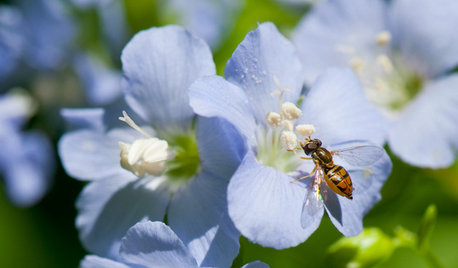
GARDENING GUIDESGreat Design Plant: Polemonium Reptans Paints Woodlands Blue in Spring
Plant Jacob’s ladder in eastern U.S. woodland gardens for its bright blue flowers and delicate foliage
Full Story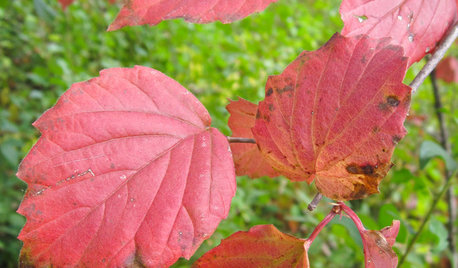
GARDENING GUIDESGreat Design Plant: Viburnum Rafinesquianum Colors the Fall Woodland
Plant downy arrowwood in eastern and midwestern U.S. gardens for spring color in the shade and bright red fall foliage
Full Story
Great Design Plant: Sanguinaria Canadensis Lights the Spring Woodland
Bloodroot’s large, showy white flowers and attractive foliage brighten eastern woodland gardens in early spring
Full Story
GROUND COVERSAsarum Canadense Adds Masses of Green to Woodland Gardens
Plant Canadian wild ginger in the eastern U.S. for a shade-loving native ground cover with spring flowers
Full Story
LANDSCAPE DESIGNLet Nature Inspire Your Landscape: Ideas for a Woodland Garden
Fill your senses with the magic of a wild forest-inspired garden — from shady understory plants to towering treetops
Full Story
GARDENING GUIDESInvite Mining Bees to Your Garden by Planting Their Favorite Plants
Look for mining bees (Andrena) pollinating woodland wildflowers in U.S. gardens this spring
Full Story
FLOWERS AND PLANTSRoll Out the Welcome Mat for Hummingbirds With Red Columbine
Grow Aquilegia canadensis in eastern perennial gardens or informal woodland plantings for its delicate foliage and uncommon red flowers
Full Story
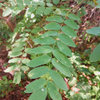
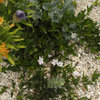
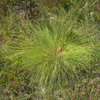
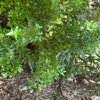
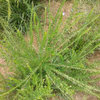
Old Forester ( Zones 8a-6a ) Ga/NC