

interim Summer plan
9 years ago
Sort by:Oldest
Comments (2)
Related Stories
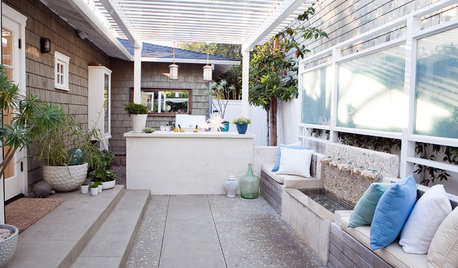
GARDENING AND LANDSCAPINGPlan Your Patio at Summer's End? Yes!
Score fabulous deals for your deck, garden or patio and put your summer experience to good use in upgrading for the future
Full Story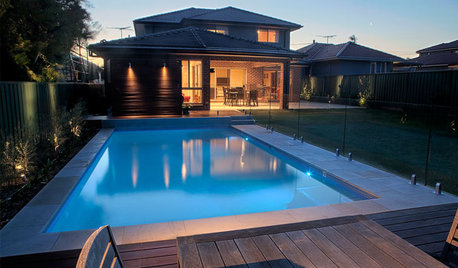
GARDENING AND LANDSCAPINGPlan for Summer: Protect Your Family With a Safe Pool
Fencing, presence detectors and non-slip materials help keep your pool area accident-free
Full Story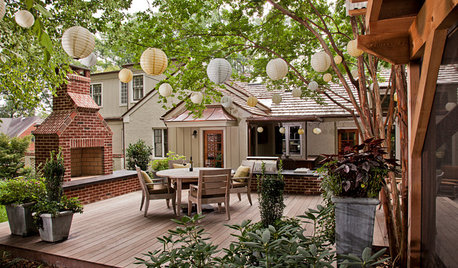
MOST POPULARSimple Pleasures: Savor Summer’s Last Hurrah
Choose from 3 easy celebrations to close summer out in a soul-satisfying way
Full Story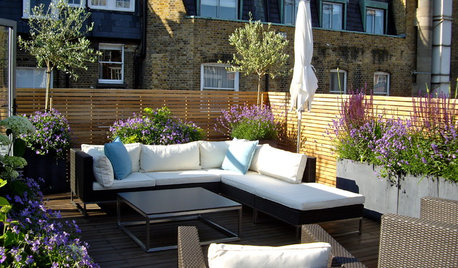
LIFE9 Simple Ways to Savor Summer’s Final Days
Go ahead, ignore the calendar. Stretch out that easygoing, warm-weather feeling with these ideas for indoors and out
Full Story
ENTERTAININGHow to Welcome Summer Weekend Guests
Thoughtful touches and smart planning will help make your visitors feel at home
Full Story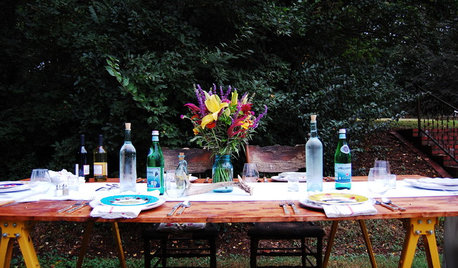
MOST POPULAR20 Ideas for Easygoing Summer Parties
Ditch the fancy and fussy in favor of laid-back entertaining that leaves you more time to enjoy the fun
Full Story
EDIBLE GARDENSSummer Crop: How to Grow Blueberries
Plant blueberries in spring or fall for garden beauty through three seasons — and a sweet superfood in summer
Full Story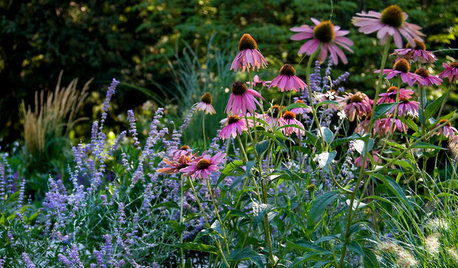
MOST POPULAREnjoy Your Summer Garden — Here’s What to Do in July
Our July gardening guides take the guesswork out of summer watering, pruning and planting. See our tips for your U.S. region
Full Story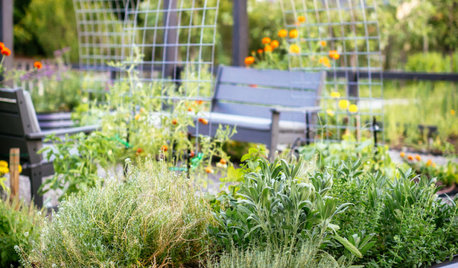
GARDENING GUIDES12 Edibles Perfect to Plant in Late Summer
Keep those homegrown vegetables and greens coming well into fall
Full Story
EDIBLE GARDENSSummer Crops: How to Grow Watermelons
You might not need as much space as you think to get this summer mainstay to spring up in your garden
Full Story
Sponsored
beckyinrichmond
beckyinrichmond
Related Professionals
Daytona Beach Landscape Architects & Landscape Designers · Norfolk Landscape Architects & Landscape Designers · New London Landscape Architects & Landscape Designers · Pine Bluff Landscape Contractors · Lafayette Landscape Contractors · Lima Landscape Contractors · Orlando Home Builders · Elizabethtown Home Builders · Hattiesburg Home Builders · Lewiston Home Builders · Portsmouth Home Builders · Watertown Home Builders · Albuquerque Home Builders · Eureka Home Builders · Sanford Home Builders