

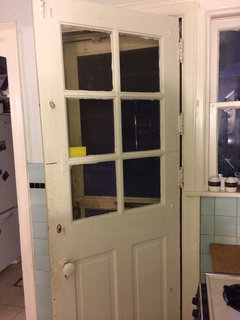
Has anyone restored a 1920 two piece door?
9 years ago
Featured Answer
Sort by:Oldest
Comments (14)
 9 years ago
Related Professionals
DeRidder Home Remodeling · Murfreesboro Home Remodeling · Burlington Home Remodeling · Yuma Home Remodeling · Gillette Home Remodeling · Chattanooga Home Builders · Bennington Home Builders · Madison Home Builders · Clarksburg Kitchen & Bathroom Designers · Plainfield Kitchen & Bathroom Designers · Plymouth Kitchen & Bathroom Designers · Omaha Kitchen & Bathroom Designers · Laconia Kitchen & Bathroom Designers · Pullman Kitchen & Bathroom Designers · Bronx Kitchen & Bathroom Designers 9 years ago
- 9 years ago
- 9 years ago
 9 years agolast modified: 9 years ago
- 9 years ago
 PRO9 years ago
 PRO9 years ago
- 9 years agolast modified: 9 years ago
- 9 years ago
- 9 years ago
 9 years ago
- 9 years ago

Related Stories
HOUZZ TOURSMy Houzz: Every Picture Has a Story in a 1920s New Orleans Rental
Original and secondhand artwork, furnishings and accessories come together in a creative couple’s 1,000-square-foot apartment
Full Story
BUDGET DECORATINGThe Cure for Houzz Envy: Entryway Touches Anyone Can Do
Make a smashing first impression with just one or two affordable design moves
Full Story
HOUZZ TOURSMy Houzz: Boho Flair for a 1920s California Tudor
Frumpy furniture gets the boot in favor of eclectic pieces that appeal to the travel-loving homeowner
Full Story
LAUNDRY ROOMSThe Cure for Houzz Envy: Laundry Room Touches Anyone Can Do
Make fluffing and folding more enjoyable by borrowing these ideas from beautifully designed laundry rooms
Full Story
KITCHEN DESIGNThe Cure for Houzz Envy: Kitchen Touches Anyone Can Do
Take your kitchen up a notch even if it will never reach top-of-the-line, with these cheap and easy decorating ideas
Full Story
DECORATING GUIDESThe Cure for Houzz Envy: Dining Room Touches Anyone Can Do
Get a decorator-style dining room on the cheap with inexpensive artwork, secondhand furniture and thoughtful accessories
Full Story
REMODELING GUIDESOne Guy Found a $175,000 Comic in His Wall. What Has Your Home Hidden?
Have you found a treasure, large or small, when remodeling your house? We want to see it!
Full Story
HOUZZ TOURSMy Houzz: Casual, Thoughtful Design for a 1920s Bungalow
A couple turn a neglected, run-down home into a charming, comfortable place to raise their 4 children
Full Story
HOUZZ TOURSMy Houzz: Antiques Mingle With Modern Style in a 1920s Tudor
See how careful curating and a strong vision turned an empty New England home into an eclectic sight to behold
Full Story
BATHROOM DESIGNRoom of the Day: Renovation Retains a 1920s Bath’s Vintage Charm
A ceiling leak spurs this family to stop patching and go for the gut
Full Story


millworkman