

Black Nursery Pots Toxic ?
9 years ago
Featured Answer
Sort by:Oldest
Comments (14)
Related Professionals
Cape Coral Landscape Architects & Landscape Designers · Evansville Landscape Architects & Landscape Designers · Lafayette Landscape Architects & Landscape Designers · Atlantic City Landscape Architects & Landscape Designers · Lafayette Landscape Architects & Landscape Designers · Salisbury Landscape Contractors · Ardmore Landscape Contractors · Grand Junction Landscape Contractors · Lafayette General Contractors · Meridian General Contractors · Abilene General Contractors · Chillicothe General Contractors · Danbury General Contractors · Bemidji General Contractors · Kearney General Contractors 9 years ago
- User thanked daninthedirt (USDA 9a, HZ9, CentTX, Sunset z30, Cfa)
- 9 years ago
 9 years agolast modified: 9 years agoUser thanked albert_135 39.17°N 119.76°W 4695ft.


Related Stories
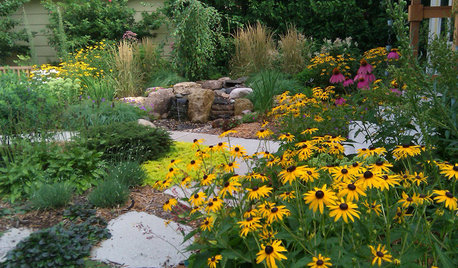
FLOWERSRudbeckia Mania: Go Beyond Black-Eyed Susan in the Garden
Branch out from typical nursery fare, with lesser-known Rudbeckia species that have delightfully unexpected features
Full Story
KIDS’ SPACESRoom of the Day: A Nursery for a Little Bookworm
Bright colors, favorite hand-me-down toys and a wall of books jump-start the playful style in this nursery
Full Story
HOUSEPLANTS12 Potted Plants That Make Long-Lasting Holiday Gifts
A miniature conifer, blooming amaryllis or desktop succulent could be the perfect gift for someone on your list
Full Story
CONTAINER GARDENS10 Boo-tiful Black Plants for Halloween
Dramatic and just a bit eerie, these inky plants set the right Halloween mood in a garden or on a patio
Full Story
GARDENING GUIDESPlant Black Cherry Trees for the Birds and Bees
Plant Prunus serotina in the Central and Eastern U.S. for spring flowers, interesting bark and beautiful fall color
Full Story
GARDENING 101How to Grow Tomatoes in Pots
Don’t have much space for a garden? All you need is a sunny spot and a large container to grow this favorite summer crop
Full Story
CONTAINER GARDENSSolve Your Garden Border Dilemmas With Planted Pots
Set your containers free from the patio — placed among plantings in the ground, they fill unsightly gaps, let you experiment and more
Full Story
CONTAINER GARDENSWant Compelling Garden Minimalism? Think One Plant, One Pot
Highlight a show-worthy stunner or elevate a pedestrian plant by giving it a solo starring role in the garden
Full Story
SUMMER GARDENINGHow to Water and Refresh Your Potted Plants Over the Summer
Keep container gardens looking lush by cooling them down when temperatures rise and by giving them a seasonal spruce-up
Full Story
DECORATING GUIDESColor Guide: How to Work With Charcoal Gray
The most modern neutral, charcoal gray looks great in dining rooms, living rooms and even nurseries. Here's how to use it best
Full Story
Sponsored
daninthedirt (USDA 9a, HZ9, CentTX, Sunset z30, Cfa)