

Second set of bulbs on garlic?!?
9 years ago
Featured Answer
Sort by:Oldest
Comments (6)
 9 years ago
Related Professionals
McAllen Landscape Architects & Landscape Designers · Newport News Landscape Architects & Landscape Designers · Hudson Landscape Architects & Landscape Designers · Logan Landscape Architects & Landscape Designers · Concord Landscape Contractors · Potsdam Landscape Contractors · Bennington Landscape Contractors · Clearlake Landscape Contractors · Las Vegas Landscape Contractors · Medford Landscape Contractors · Vancouver Landscape Contractors · Cape Coral General Contractors · Jacksonville General Contractors · Laredo General Contractors · Hobbs General Contractors- 9 years ago
- 9 years ago
- 9 years ago
 9 years ago
Related Stories
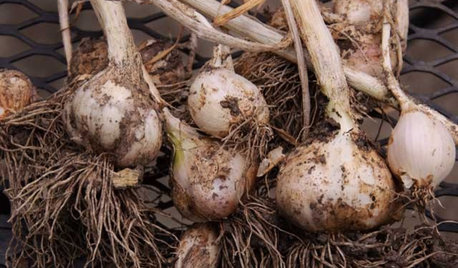
COOL-SEASON CROPSCool-Season Vegetables: How to Grow Garlic
Beloved in a wide range of dishes the world over, garlic thrives in a fall garden and is easy to grow
Full Story
HOUSEPLANTSHow to Force Amaryllis Bulbs Indoors
Enjoy vibrant red blossoms even as gardens turn snowy white, by teaching this hardy repeat performer to ignore the calendar
Full Story
FLOWERS11 Classic Bulbs for Spring Blooms
Plant these ever-popular bulbs in fall to ensure a garden bursting with colors in spring
Full Story
PLANTING IDEAS5 Summer-Blooming Bulbs to Plant This Spring
These fast-growing bulbs will brighten your garden this summer
Full Story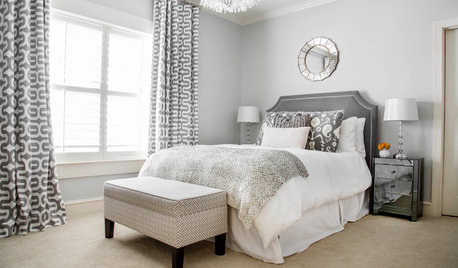
COLORSet the Mood: 5 Colors for a Calming Bedroom
Stressed? Can't sleep? Consider one of these cool, soothing hues for your walls
Full Story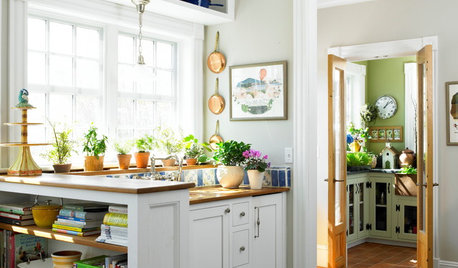
HEALTHY HOME12 Ways to Set Up Your Kitchen for Healthy Eating
Making smart food choices is easier when your kitchen is part of your support team
Full Story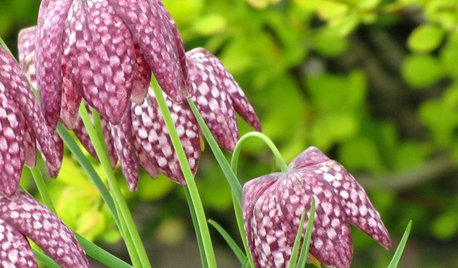
FALL GARDENING7 Delightfully Different Bulbs for Your Spring Garden
Fall planting: Stray from the standards for a more exotic spring garden that draws applause
Full Story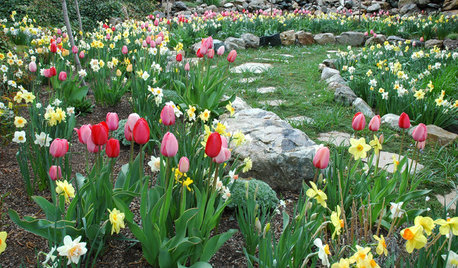
GARDENING GUIDESGardening With Kids: How to Plant Bulbs
You don't need expertise to get flowering bulbs in the ground in fall — but kids will feel like gardening pros come spring
Full Story
FARM YOUR YARDHow to Set Up a Productive and Beautiful Edible Garden
These 8 design strategies will help you design a hardworking kitchen garden that’s as gorgeous as your ornamental beds
Full Story
LIGHTINGDecorating With Antiques: Set the Stage With Lighting
Complete a vintage scene or create contrast with lamps, sconces and chandeliers that have traveled through time
Full Story
wolverine1012