Software
Houzz Logo Print
rick7072

Bachelor's Buttons not looking good

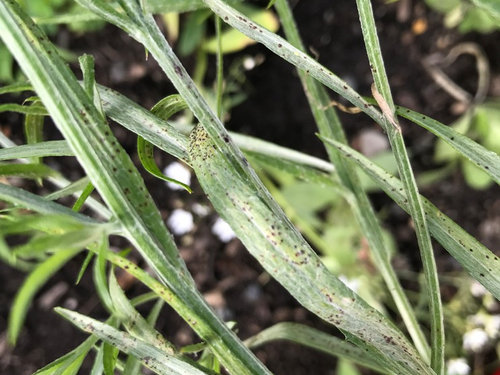
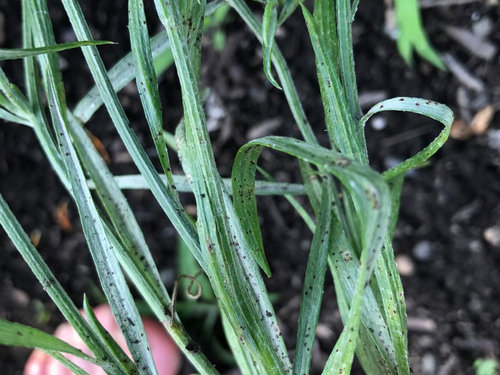
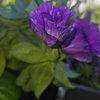
In the last few years, many of my Bachelor's Button plants seem to have some sort of infestation or damage on the stems of some sort or another. It often looks like this:

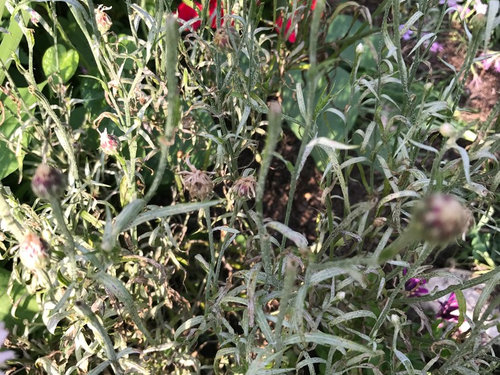
Whatever it is, it develops early in the season, and often, by July the plant looks dead, ratty and unsightly, and often leans over, even though it may continue producing flowers for a bit longer before it succumbs completely.

This is the second or third year this has been happening. Each year the new plants are from the reseeding of last year's. They are throughout many of my seed beds, and are among the most vigorous plants I grow ... until they start looking bad. Any idea what could be going on here? Wow I

Comments (9)

  • 9 years ago

    Black woody mulch harboring diseases and pests.

  • 9 years ago

    zens a bit cryptic today ... does he mean.. the mulch is splashing up onto the plants???


    and in my MI ... by august ... they are usually basically browning toward death .... whats a couple weeks


    you note this has happened a few years in a row .... perhaps its time to either accept them for what they are.. or do.. or just quit growing them ...


    the other alternative.. is to capture a few seeds for next year.. and just rip these babies out.. .. out of sight.. out of mind ...


    btw.. the finches are attracted to the seed pods.. and being rather lazy.. i just leave them ... as birds are more entertaining than the ugly plant ...


    ken


  • 9 years ago

    ken, I don't mean to be cryptic. I think that a rotting mulch is potentially bad for plants, because it supports fungus infection growth, can support bacterial infection, and a number of creatures like earwigs, slugs, snails, and pillbugs find shelter in it. And that black wood mulch has been showing up in the background of several pictured plant problems recently.

    I used to be a big fan of mulches, based on recommendations in several books and magazine articles, until nocturnal earwigs virtually wiped out a mulched zinnia bed, and I discovered that my organic mulch was literally crawling with earwigs that spent the days under the protection of the mulch.

    I raked the mulch up and put it in a compost pile and replaced it with a sand mulch, and no more earwig problem. Since then I have learned that many plant diseases live on and overwinter on rotting organic material, including in organic mulch. I am still a big fan of mulching, but now I use sand.

    ZM

  • 9 years ago

    Thanks, ken_adrian and zen_man. I've never used a wood mulch, only use leaf mulch but maybe what zen_man is saying is applicable to that as well. Most of my plants seem pretty healthy (ok, I take that back: the lupine looks even worse than the bachelor's buttons but it has none of this spotting of the leaves). In any case, this particular problem seems to be limited to bachelor's buttons which other than this issue I actually love as it grows vigorously in my yard and offers beautiful color.

  • 9 years ago
    Zen_man, isn't "mulch rotting" part of the process of how plants derive nutrients in nature? Leaves fall, plant stems die, and they rot and provide food for next year's plants. I'm guessing you're saying that the process of wood mulch rotting and harboring pests and disease is different than this process that goes on in nature, but could you explain how exactly?

    Would do you say that leaf mulch is susceptible to harboring pests and diseases as well?
  • 9 years ago

    Hi Rick,

    Rotting is part of "nature", but unfortunately having the plants you are trying to grow succumb to rotting is also part of that. Nature is just fine if your favorite plants simply rot now. So if we want our plants to do fine, we will have to resist that part of nature which wants to rot them and turn them into nutrients for some other plants or fungi or microbes (which, it turns out, are also hungry).

    " Would do you say that leaf mulch is susceptible to harboring pests and diseases as well? "

    You betcha. That is why I sand mulch. Incidentally, that wood mulch depletes the available nitrogen in the soil. Nature is quite happy if your plants die from nitrogen starvation.

    ZM

  • 9 years ago

    This brings up the need for mulch of any kind. Sure it keeps in moisture but it also harbors pests and diseases. I live in a temperate climate and I gave up on mulches years ago. I found my plants did just as well without it and allowed me to get rid of slugs and earwigs and cut down on powdery mildew,

    Mulch might be needed in hot climates but it is not for everyone

  • 9 years ago

    I think that a rotting mulch is potentially bad for plants


    ==>> i have used wood chips as mulch.. exclusively for decades ... and it rots.. and i have found no correlation to plant problems ... and it enriches my sand soil as it decomposes .. nothing more than a very flat not deep compost pile .. lol...


    and my experience is all z5 MI ....


    zen also said: Incidentally, that wood mulch depletes the available nitrogen in the soil.


    ==>> a common misconception ... in that a top dressing can not leach anything IN the soil ... how could it.. its not in the soil ... imo ... now if you incorporate it ... i agree ...


    now to be very clear.. zen is one heck of a plantsman ... whatever works.. works ...he has found his zen place.. lol .... and so have i.. and they appear to be on opposite sides of the spectrum ... in regard to mulch .... go figure ...


    this conversation shows how random online comments should be used for guidance for someone to try alternatives.. and not taken as gospel ....


    its for you to find out what works in your garden .. there really is no one perfect way to do things ...


    semper fi, zen


    ken