Software
Houzz Logo Print
leproulx

Fiddle Leaf Fig- Root rot? How to Fix?

9 years ago
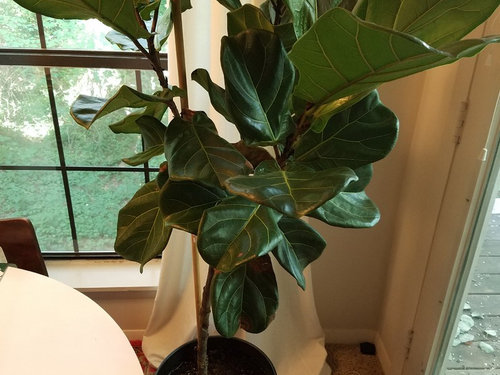
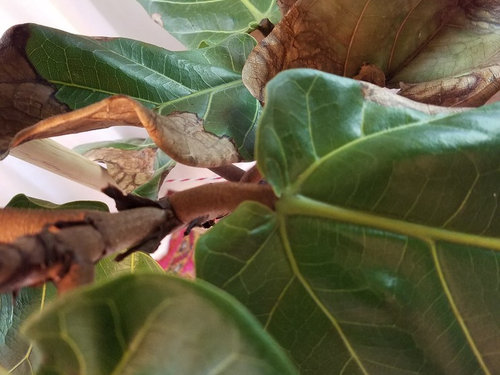
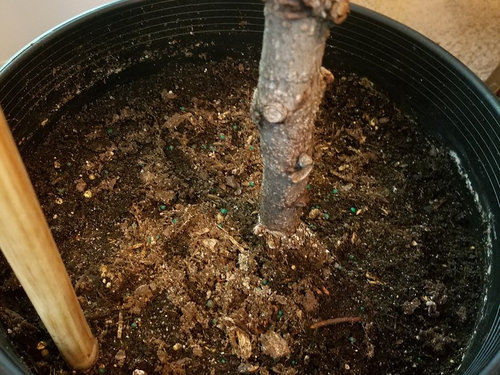
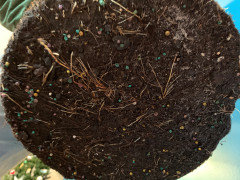
We purchased a Fiddle Fig in October 2016. The grower we purchased from said to re-pot it when we got it home into a larger pot (but not too much larger than the one it came in so it wouldn't shock the plant). After reading on here, I realize that re-potting in October may not have been the best thing to do). Well, we got it home and re-potted it, using some stones in the bottom to help assist drainage (So we thought- again, after reading on here I understand better that adding a rock layer doesn't necessarily improve drainage, just decreases space for the roots to grow into), and we used Miracle Gro "moisture control" potting mix. It seemed to be doing OK, but developed some brown spots and lost a few leaves. We wondered if this was due to us using tap water, and switched to using distilled water at room temperature. It gets decent light where it is located. It seemed to be doing alright for a while, and even popped out three new leaves this spring, which was encouraging. But now the brown, crispy spots are spreading to a majority of the leaves and it has dropped a good many leaves recently. We do our best to make sure an water when the top few inches are dried out, and that water comes from the bottom of the pot when we water. We live in North Carolina, and have been watering about every other week or so. We are concerned the brown spots are indicating over-watering, and I am worried it may have developed root rot. The last time we watered I noticed small gnats in the top of the soil, which worried me. I am not certain how to proceed with trying to recover the plant. I read a few articles on this site about how important it is to get the root system happy to have a happy, healthy plant, but I am not certain where to begin. Any assistance is appreciated.

Comments (14)

  • 9 years ago

    I would get it out of that soil asap. Worst case, mix that soil 50/50 with perlite and that'll help a lot.

    However, you'd be better of with something like a 5:1:1 mix if you're willing to source the ingredients.


    Leslie thanked Dave
  • 9 years ago

    I have heard about the 5:1:1 mix and I am going to research further into it. I will do anything at this point to try and remedy the situation.. would it be alright to keep the plant in the same pot using the 5:1:1 mix?

  • 9 years ago

    When you switched your plant to the 5:1:1 mix did you trim the roots? I am not sure of the best procedure for getting our plant into better soil.. so many posts on this site, I am not sure where to begin.

  • 9 years ago

    Leslie - I'd plan on doing a full repot - bare rooting and root pruning, then monitoring your plant's moisture needs so you're not watering until it actually needs watering. There are also some 'tricks' you can employ to help you monitor moisture needs, and through which you can put a little simple science to work to help you reduce the amount of excess water your soil can hold. You'll find a good measure of info on repotting here. I'd also get started on a nutritional supplementation program your plant will show appreciation for. After you read the info at the link, you can ask any questions you might have here, so you don't lose anyone else's valuable input.

    Al

    Leslie thanked tapla (mid-Michigan, USDA z5b-6a)
  • 9 years ago

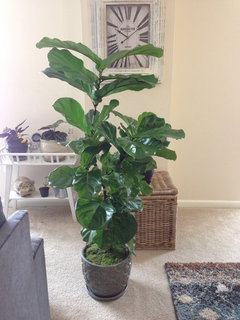
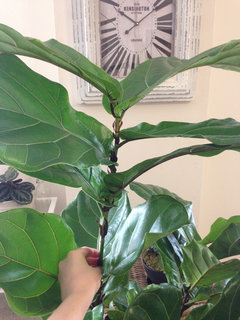
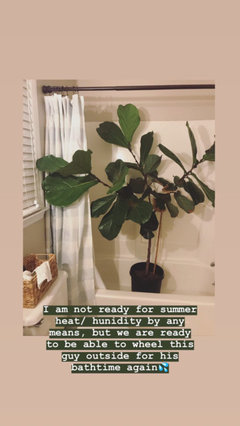
    I removed as much of the soil as I possibly could. My poor FLF didn't have many fibrous roots to begin with so it wasn't hard to remove the soil. I have also been feeding the plant with the suggested 9:3:6 ratio fertilizer by Dyno-Gro (foliage pro) that I believe Al has recommended. I tend to over nurture my plants so I use the suggested ratio of maintenance fertilizing on that back of the bottle. I attached some pictures for reference on how much the plant has grown since I purchased it in April of this year. the other two branches are where the 2 of the 3 sets of leaves were pushed out when I repotted him. Hopefully they will catch up with the leader lol.


    Leslie thanked Madeleine Reinstein
  • 9 years ago

    Madeleine, your FLF looks lovely! It gives me hope in correcting the mistakes with mine!

    Al, thank you SO much for that link- I have been reading through everything (and taking notes, it truly is a wealth of info!) I see that my poor FLF doesn't have much of a chance in the soil we currently have him in because it holds too much water. I am doing research into the materials needed to make the 5:1:1 mix for it.

    I have a few concerns about the repotting we need to undertake- specifically with the pruning of the roots as I have never done it before. The directions in your post were super helpful for how to go about it but I do have a question- when you say to 'stop the pruning cuts just beyond where a smaller root branches towards the outside of the root you are pruning'.. are there images of this somewhere that may help me understand? I'm afraid I am a visual learner.

    When the pruning of the roots is completed (keeping them moist during the process) and we are ready to place the tree back into the pot, does the soil need to be damp or moist? Do we need to water the tree as soon as we are done repotting it?

    Thank you all so much for your help- I am nervous, but hopeful I can learn how to be a better "plant mom" for my FLF.

  • 9 years ago

    Oh, I forgot to mention. I'm currently battling fungus gnats as well. I bought fly traps off of Amazon that work well for the adults and then use a mixture of 1 tbsp 3% hydrogen peroxide to 1 cup water that is supposed to kill the larvae. I also bought the moss to "trick" the fungus gnats into thinking the topsoil is dry so they will avoid laying their eggs there. I started this whole process about a week ago and it had significantly diminished the numbers.

    Leslie thanked Madeleine Reinstein
  • 9 years ago
    last modified: 9 years ago

    Your plant seems to be doing well, Madeleine. Strong work!

    Thanks for the kindness in your words, Leslie. There are ways to put some simple science to work that can help you cope with soils that are too water retentive. Try reading this,
    http://forums2.gardenweb.com/forums/load/contain/msg0914024623640.html?37, then ask any questions you might have.

    When you say to 'stop the pruning cuts just beyond where a smaller root
    branches towards the outside of the root you are pruning'.. are there
    images of this somewhere that may help me understand?

    I hope that helps. You want to concentrate on removing large roots that aren't really necessary for anchorage so there is room for a much larger volume of fine roots. Of course, it's unlikely your tree's roots will be as well ordered as those of the guy who dreamed up the image, but you should get the gist. Recovery is much faster if you prune just distal (beyond) a fine root pointed away from an imaginary line straight down from the trunk's center.

    When the pruning of the roots is completed (keeping them moist during
    the process) and we are ready to place the tree back into the pot, does
    the soil need to be damp or moist?
    I bare-root, then root prune and let the roots soak in a tub while I prepare the pot and partially fill with dry soil (if it's gritty mix). I lift the plant with wet roots from the tub and set it on the soil and fill in around the roots with dry soil and work it into all the pockets between roots with a wooden dowel that's sharp on the end but not extremely so - like a very dull pencil.


    If I'm repotting with the 5:1:1 mix, I make sure it's damp enough so as not to be hydrophobic. I dampen the soil by starting with dry. Before I start the root work, I take about 1/4 of the volume pof soil I'll need and put it in a pot or bucket and add enough water to completely saturate it - so it's mucky - and let it soak for a few minutes. Then I mix it well into the dry soil and allow it to rest while I'm doing the root work. By the time it's ready to use, it's no longer hydrophobic. Do we need to water the tree as soon as we are done repotting it? Yes - whether using the 5:1:1 or gritty, water well. Water the gritty until the drainage water is perfectly clear. The only exception might be various succulents and/or cacti.

    Edited to say: I'm not sure why the formatting came out weird when I copy/pasted your questions. Sorry

    Al

    Leslie thanked tapla (mid-Michigan, USDA z5b-6a)
  • 7 years ago

    I know this is a super late reply to this post, but just wanted to update: our plant is MUCH happier in the new soil and grew over last summer! We also moved into a new place that has a sun room, so all the plants we have are very happy! Thank you all for your help and encouragement!


  • 7 years ago

    ..... never too late to share good news ........... strong work!

    Al

    Leslie thanked tapla (mid-Michigan, USDA z5b-6a)
  • 6 years ago

    Hi Al, reporting my fiddle leaf gig tree today that’s suffering from root rot. what do you mean that you bare root first? Sorry I’m a bit new to all of this

  • 6 years ago

    Repotting *

  • 5 years ago
    last modified: 5 years ago

    Hello all! We just picked this FLF 3 days ago, it was the last one left and honestly didn’t inspect it while at the nursery. I’ve done hours of reading and thought I had diagnosed it as under-watered due to the crispy leaves, coloration of brown spots and the upturn in the leaves. I’d say 60% of the leaves have some sort of spot on them. Then I looked at the roots, initially I thought great it’s not root bound and I can wait until summer (Oregon) to repot but the roots dont look very vibrant. I’m looking for advice on what I should do right now. I bought a dowel, and it seems damp past 4 inches. I did water right when we got it home so that may be why. I’ve appreciated combing through the wealth of information on this page, but at this point I’m second guessing myself and any help would be greatly appreciated.