

While House Dehumidifier: Raise A/C Temp?
9 years ago
Sort by:Oldest
Comments (4)
Related Stories
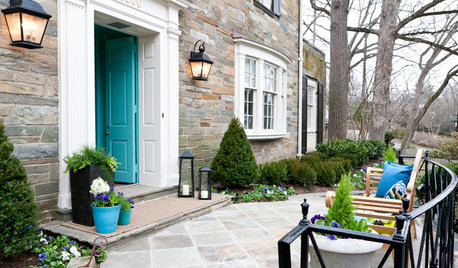
EVENTSDesigners Get Creative in a D.C. Show House
With a historic home as a canvas and a worthy cause as an incentive, designers pulled out all the stops for the 2014 project
Full Story
LIFEThe Polite House: On Dogs at House Parties and Working With Relatives
Emily Post’s great-great-granddaughter gives advice on having dogs at parties and handling a family member’s offer to help with projects
Full Story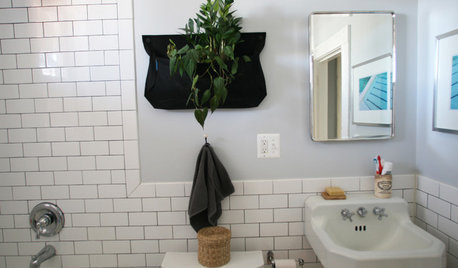
BEFORE AND AFTERSJumbled Style Goes Vintage Chic in a D.C. Bathroom Makeover
Sloppy on the outside and alarming on the inside, this row house bathroom now sports a clean new look and systems that work
Full Story
HOUZZ TOURSHouzz Tour: Whole-House Remodeling Suits a Historic Colonial
Extensive renovations, including additions, update a 1918 Georgia home for modern life while respecting its history
Full Story
THE ART OF ARCHITECTUREThe Good House: Design Is in the Details
Plan the small things early on to enhance your architecture and enrich your home’s story
Full Story
EVENTSSee Frank Lloyd Wright Treasures and More at This Spring House Walk
Celebrate the birth of modern architecture with a spring tour of Chicago-area Frank Lloyd Wright homes this May
Full Story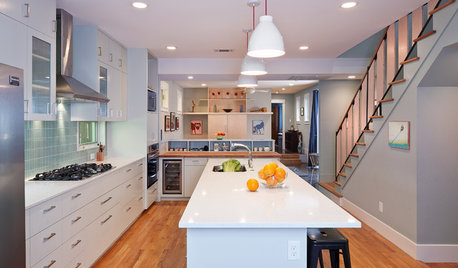
HOUZZ TOURSHouzz Tour: A Radical Reconstruction Raises an Austin Home
With a new second floor and some room swapping downstairs, this 1935 Texas bungalow now fits an architect and his family beautifully
Full Story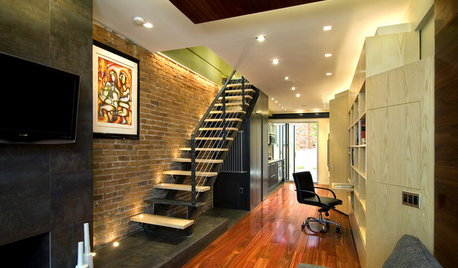
HOUZZ TOURSDesign Lessons From a 10-Foot-Wide Row House
How to make a very narrow home open, bright and comfortable? Go vertical, focus on storage, work your materials and embrace modern design
Full Story
GREEN BUILDINGHouzz Tour: See a Concrete House With a $0 Energy Bill
Passive House principles and universal design elements result in a home that’ll work efficiently for the long haul
Full Story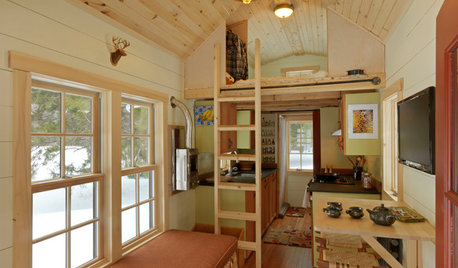
SMALL SPACESCould You Live in a Tiny House?
Here are 10 things to consider if you’re thinking of downsizing — way down
Full Story


ionized_gw
UserOriginal Author
Related Professionals
New Haven General Contractors · Fresno General Contractors · Sacramento General Contractors · Las Cruces General Contractors · Wenatchee General Contractors · Sebring Home Remodeling · West Palm Beach Home Remodeling · Westminster Home Remodeling · Champaign Home Remodeling · Middletown Bathroom Remodelers · Miami Bathroom Remodelers · Newburyport Bathroom Remodelers · Saint Marys Bathroom Remodelers · Fort Collins Bathroom Remodelers · London Bathroom Remodelersionized_gw
ionized_gw