My builder uses Houzz Pro to plan the timeline and give detailed estimates and daily updates with photos of progress, and provide invoices at pre-agreed key points in the build. This made the whole experience much more efficient and stress-free.
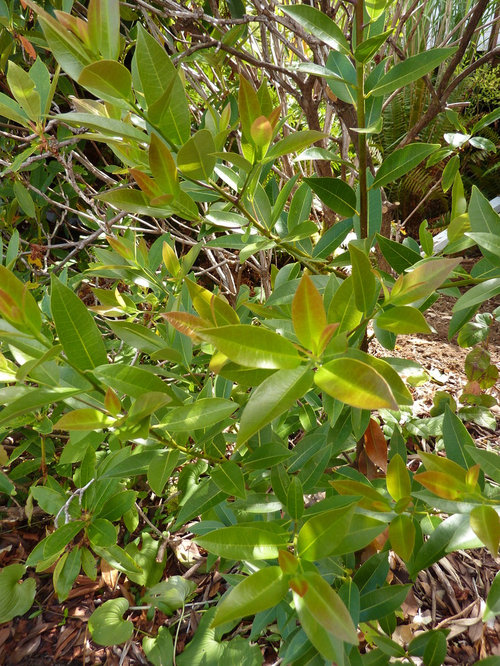
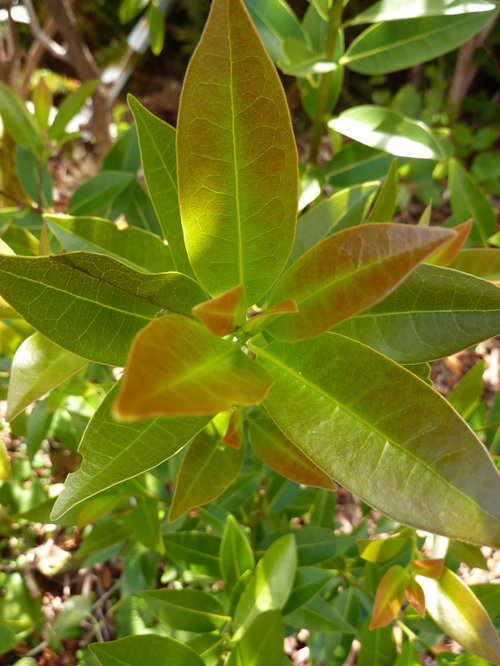
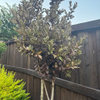
This volunteered in a Rhododendron bed. Thought it might be some sort of laurel. Nice, clean looking shrub perhaps transplanted to another spot in the yard. Any ideas to what it is and the best location for planting? Pacific NW.
First, this is a large tree, not a shrub! You might want to try asking on the CA forum, as it is a CA native.
They make poor garden citizens. They want to be enormous, are very water-hungry when young, don't have very good structure as specimen trees and, for what it's worth, are vectors for the pathogen that causes sudden oak death, but that may not be an issue up there. Having said that, I can think of two occasions where I have seen this look decent in a garden setting, and believe it or not, one of them is in a container! My guess is, that like most California natives, it doesn't like being transplanted, so sooner rather than later is a good idea, but wait until November.
Here's a good write up from the garden standpoint:
Spontaneous seedling shown probably wouldn't survive transplanting anyway. This species is normally produced in and planted out of containers. There is at least one shrubby version that has been on the P.N.W. market in the past but the plant you ended up with has apical dominance - with a single leader going up the center - will therefore not be the more dwarf and bushy type.
Large seeds probably have a comparatively limited dispersal range, parent tree could be quite visible nearby somewhere. As in next door or in the same neighborhood. Giving you an idea of what to expect if you were to keep it. For instance there is an infestation in one of the wooded parks in my town and what is almost certainly the source planting is on a lawn in full view of an arterial in an adjoining neighborhood. Consistent with this occurrence here Jacobson, Trees of Seattle - Second Edition (2006) says the tree is "common" in that nearby city, and "reseeds weedily" there. One of eight Seattle locations listed where representative examples could be seen, in this case the Arboretum had one 86 ft. tall at time of publication. Other height measurements obtained at some of the other sites he included ranged from 41 ft. to 73 ft.
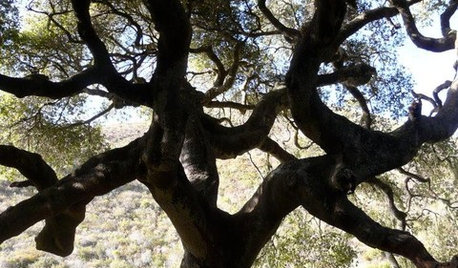
Thanks Sara and Embothrium. I thought of transplanting it in a spot left open after a removal of another dead Port Orford cedar but will now reconsider. Now, a few photos taken of the neighbors tree which is likely the "mother tree".
Sara Malone (Zone 9b)
Embothrium
Related Professionals
Rock Hill Landscape Architects & Landscape Designers · Platteville Landscape Architects & Landscape Designers · Modesto Landscape Architects & Landscape Designers · Kennewick Landscape Architects & Landscape Designers · Fayetteville Landscape Contractors · Atlantic City Landscape Contractors · Chattanooga Landscape Contractors · Newport News Landscape Contractors · Chillicothe Landscape Contractors · Janesville Landscape Contractors · Elizabethtown Home Builders · Columbia Home Builders · Sugar Land Home Builders · Wausau Home Builders · Bridgeport Home Builderszephyrgal pacific nwOriginal Author
Embothrium
zephyrgal pacific nwOriginal Author