

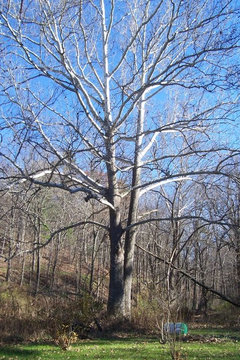
Sycamores: love'm or hate'm
9 years ago
last modified: 9 years ago
Featured Answer
Sort by:Oldest
Comments (15)
 9 years ago
 9 years ago
Related Professionals
Aberdeen Landscape Architects & Landscape Designers · Tulsa Landscape Architects & Landscape Designers · Rochester Landscape Architects & Landscape Designers · Cleveland Landscape Architects & Landscape Designers · Charlotte Landscape Contractors · Petersburg Landscape Contractors · Williamsburg Landscape Contractors · Aurora Landscape Contractors · Detroit Landscape Contractors · Hackettstown Landscape Contractors · Brunswick Home Additions · Jackson Home Additions · Natchez Home Additions · Longview Home Additions · Sarnia Home Additions- 9 years ago
- 9 years ago
 9 years ago
- 9 years ago
- 9 years ago
- 9 years ago
 9 years ago
 9 years agolast modified: 9 years ago
- 9 years ago
- 9 years ago
- 9 years ago
- 9 years ago
Related Stories

WINTER GARDENING6 Reasons I’m Not Looking Forward to Spring
Not kicking up your heels anticipating rushes of spring color and garden catalogs? You’re not alone
Full Story
LIFEYou Said It: ‘Just Because I’m Tiny Doesn’t Mean I Don’t Go Big’
Changing things up with space, color and paint dominated the design conversations this week
Full Story
GREAT DESIGNERSDesign Icons: Rudolph M. Schindler, Evolving Architect-Artist
Breaking ground with collective dwellings and indoor-outdoor living, Schindler had a distinctive style that influenced architects to come
Full Story
FURNITUREWhy It's OK to Hate Your New Custom Sofa
It takes time to get used to bold new furniture, but dry your tears — the shock can be good for you. Here's what to expect
Full Story
GREAT HOME PROJECTSHate Hauling Laundry? Give Dirty Clothes the Chute
New project for a new year: Install a quick route to the laundry room
Full Story
DECORATING GUIDESAnimal Prints: A Love-It-or-Hate-It Look
Some embrace faux furs and animal-print upholstery as classic looks. Others see them as a tacky throwback
Full Story
DECORATING GUIDESChartreuse: Love It or Hate It?
Try a Sip of Yellow-Green With Blue, Chocolate, Hot Pink, Eggplant and Teal
Full Story
LIFEYou Said It: ‘The Wrong Sink Can Make You Hate Your Kitchen’
Design advice, inspiration and observations that struck a chord this week
Full Story
GARDENING GUIDES8 Plants That Snobs Love to Hate — and You'll Love to Grow
Don't dismiss these common annuals, perennials and shrubs — there are reasons they've been popular for so long
Full Story
THE POLITE HOUSEThe Polite House: How to Handle a Grievance With a Neighbor and an HOA
A condo resident complains about noise from a toddler out with her mom on a 7 a.m. dog walk. Does the mother have any recourse?
Full Story


laceyvail 6A, WV