

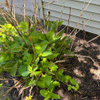
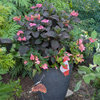
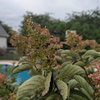
Potential Hydrangea Fungus
9 years ago
Sort by:Oldest
Comments (3)

Related Stories
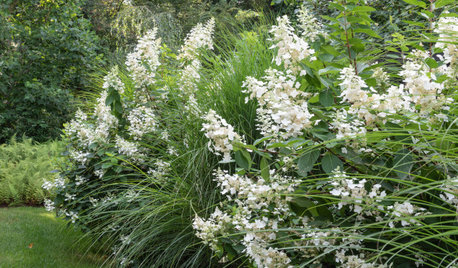
GARDENING GUIDESWhen Is the Right Time to Prune Your Hydrangeas?
The type of hydrangea you have determines when it’s time to trim
Full Story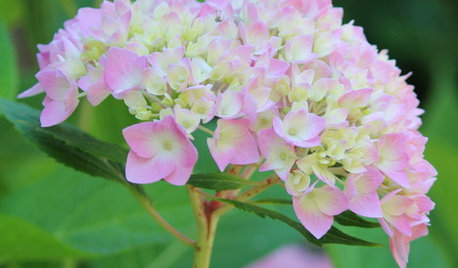
GARDENING GUIDESCalifornia Gardener's June Checklist
Update your hydrangeas, catch up on tomatoes and more ways to enjoy your California garden in June
Full Story
PETSGarden Alert: 22 Plants to Keep Away From Pets
Avoid potential danger by keeping dogs and cats away from these landscaping and houseplant favorites
Full Story
HEALTHY HOMEWhat You Need to Know About Dust and How to Fight It
Breathe easier with these 10 tips for busting mites, dander and other microscopic undesirables
Full Story
HOMES AROUND THE WORLDHouzz Tour: From Fixer-Upper to Country-Style Estate in Sydney
A century-old house goes from decaying to dashing with an addition that respects its historic grace and charm
Full Story
LANDSCAPE DESIGN10 Questions to Ask a Landscape Designer
Discover how to choose the best designer for your yard and avoid surprises down the line
Full Story
LANDSCAPE DESIGNSee 5 Unexpected Ways to Use Vines
Vines can grow over slopes, trail off pergolas and add seasonal color to the garden
Full Story
BACKYARD STUDIOSReimagined Landscape Inspires a Dramatic Garage Conversion
An architect transforms an eyesore of a garage into a studio worthy of its beautiful new surroundings
Full Story
PATIO OF THE WEEKKeep a Secret Garden on the Side
Privacy and plantings are the focus of this Philadelphia side yard, offering a respite from a busy backyard
Full Story
HOUZZ TOURSMy Houzz: Peek Inside an Artist’s Updated Shotgun Home and Studio
Gorgeous art and elegant style befit this New Orleans live-work property
Full Story
guyground
guyground
Related Professionals
Carson City Landscape Architects & Landscape Designers · Calgary Landscape Architects & Landscape Designers · Pine Bluff Landscape Contractors · Columbia Landscape Contractors · Spartanburg Landscape Contractors · Fall River Landscape Contractors · Jamestown Landscape Contractors · Pullman Landscape Contractors · Paducah Design-Build Firms · Aberdeen Design-Build Firms · Gulfport Design-Build Firms · Elk City Design-Build Firms · Gallup Design-Build Firms · Hobbs Design-Build Firms · Ogden Design-Build Firmsluis_pr