Software
Houzz Logo Print
pamenaftiaksoumekatiomorfo

Help! Is my Hoya sick??

9 years ago
Hello everyone!

This is my first post here. I'm not very experienced with hoyas, but I've had this plant for 3 years and I love it and dread something happening to it!

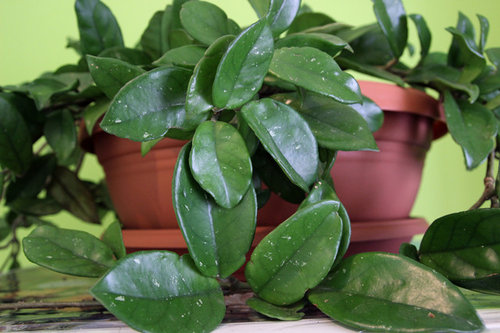
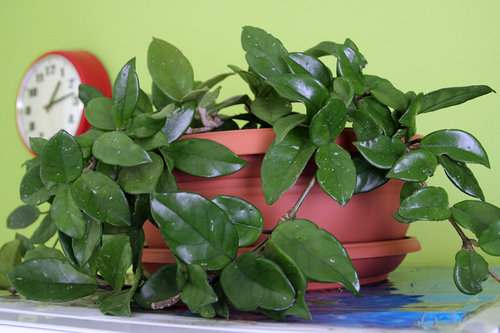
This is the overall look of the plant.
First off, are these white spots normal? I think it has always had them.


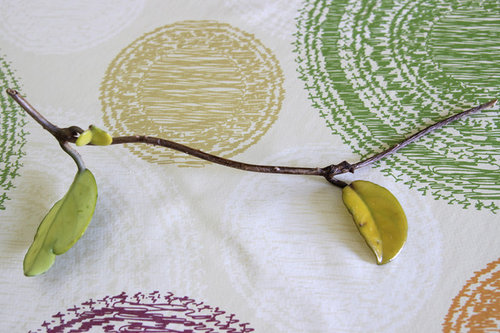
Recently I've noticed that after a couple of years of doing great on top of my fridge, it has stopped growing new leaves. Also, some vines seem to have dried out at the tip, and now on one of them the leaves are gradually yellowing, from the tip going up.
I just read that the vines shouldn't be growing downward, so I guess that could be the cause?

Here is the last part of the vine that I cut off


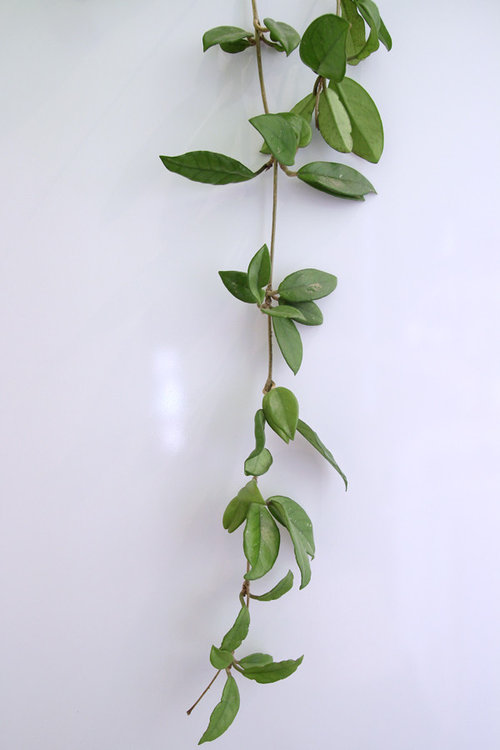
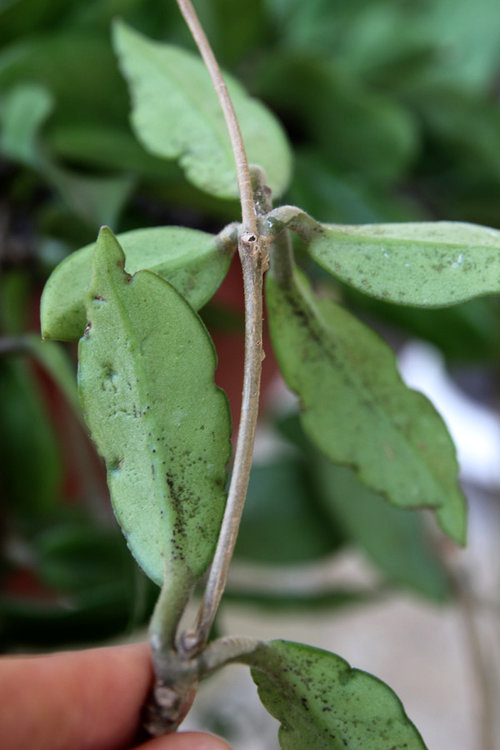
Here's another vine, dried out and with slightly yellower leaves at the tip.


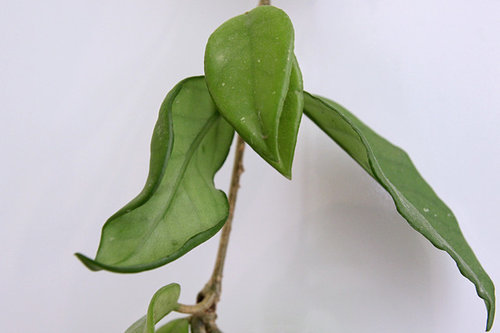
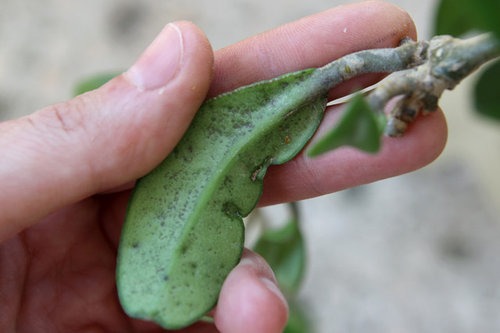
In addition, some leaves are curly like this one


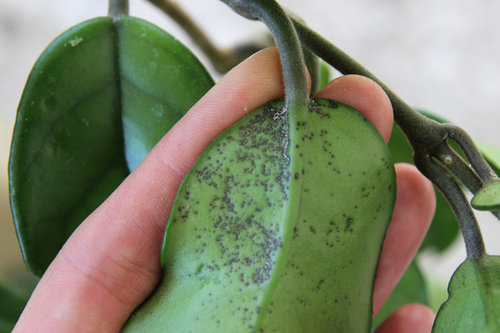
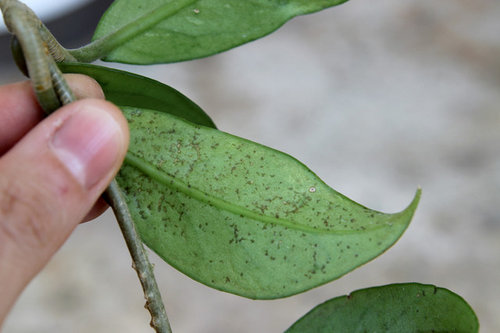
Finally, I just took the plant outside for a shower, and noticed these black spots underneath some leaves =\


Can someone tell me what's wrong with it?
Note that I live in Greece, so the temperatures can get up to 30-35°C indoors.

Comments (9)

  • 9 years ago

    I can at least confirm the white spots are normal, some of the others can probably help with the rest. wishing you the best of luck

    Maja S. thanked Staci Przybysz-Lawrence
  • 9 years ago
    last modified: 9 years ago

    Some of this looks & sounds a lot like cyclamen mites to me -- black spots, scarring on the leaves, slowed growth. I'd suggest treating your plants with an insecticide; neem oil is organic, if you'd like to avoid chemicals.

    Maja S. thanked Tatiana [USDA 6]
  • 9 years ago

    Monica, what miticide do you use? It's weird that insecticide wont work on mites. The stuff can be so powerful it should kill any small bug that comes in contact with it.

  • 9 years ago

    Mites are not insects....that's why you need a dedicated miticide to control. Neem oil is a miticide as well as being an insecticide so does double duty (and can control fungal issues as well, so a triple threat!!).

  • 9 years ago

    I rotate 3 different types - Avamax (smells like neem oil), Forbid and Kontos.

  • 9 years ago

    I won't comment on mites because I've never dealt with them, but I would also consider repotting the plant. Standard potting mixes become "sour" after a year, two max, and the signal is when plants stop growing. So either plan on repotting with new mix every couple years, or use something that won't break down so fast. I use coir and perlite and I never have to repot except to move up to a bigger pot. With a mix like coir, however, you do have to use fertlizer consistently.

    Denise in Omaha

  • 9 years ago

    Let's clear up a few misconception here. Potting mixes do not sour unless they become anaerobic. But they do breakdown and compress or collapse over time and that will influence on how well plants do as that affects both continued good drainage and aeration. That's why one should consider repotting after a couple of growing seasons, not because the soil is 'sour'.

    And coir is just as liable to breakdown and compress as peat. A more durable mix would be one that focuses on materials very slow to decompose or immune to collapse - bark, perlite/pumice, grit or Turface. And virtually ALL plants grown in a container situation will need regular, routine fertilization. There is really no nutrient load to any potting mix (unless you opt for a fert added mix like some of the Miracle Gro products) so all the nutrients must be supplied by the grower.

  • 9 years ago
    last modified: 9 years ago

    To sour, at least for the way we are using the word here, means to go bad, or to have a rancid smell. If the potting media breaks down, it has gone bad, at least in the aspect of it no longer serving it's puropse as a chunky or well-draining mix.

    Also, anaerobic means lacking oxygen. It is very difficult, unless there is absolutely no drainage, and the mix itself becomes fully compacted and water-logged, to induce an anaerobic environment in a potted plant. And by then, the plant itself would be in dire straits, if not already dead.

    There are many anaerobic bacteria that cause a sour smell or cause organic matter to go sour, but just as many that require oxygen that smell sour and cause organic matter to sour, as well.

    There are plenty more ways that potting media can sour (again, when we say sour, we mean to go bad or smell awful), aside from becoming anaerobic. The natural breakdown of organic potting media can throw off the balance of oxygenation (while not becoming anaerobic), as well as drainage, which, in turn, can encourage the growth of some pretty foul smelling fungal and bacterial colonies. Some of these colonies, while giving off a sour smell to us, are harmless to the plant itself (but their growth can throw off the pH of the mix).

    Even a batch of well-arerated and well-draning, brand new media can "sour", if the media has become inoculated with any bacterial or fungal colony that gives off an odor that we perceive as foul.

    It is important to regularly change potting media, not just to ensure proper drainage and aeration for good plant health; it also gives you the opportunity to check the root health, and to correct any bacterial and fungal overgrowth, which can affect the pH of the mix, which can cause a decline in plant health and the perception of "sour" to us.

Sponsored
HomeCraft Remodeling
Average rating: 5 out of 5 stars5 Reviews
Custom Craftsmanship & Build Solutions in Franklin County, Ohio
More Discussions