

Caring for new lawn
9 years ago
Sort by:Oldest
Comments (2)

Related Stories
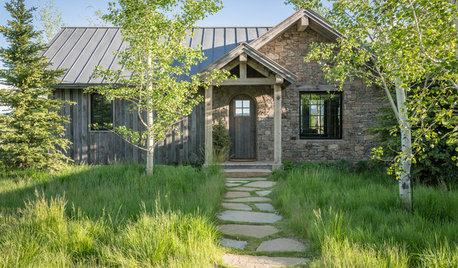
GARDENING GUIDES8 Sustainable, Organic Practices for Greener Lawn Care
Ditch the pesticides and fertilizers and adopt eco-friendly practices that will keep your lawn lush and healthy
Full Story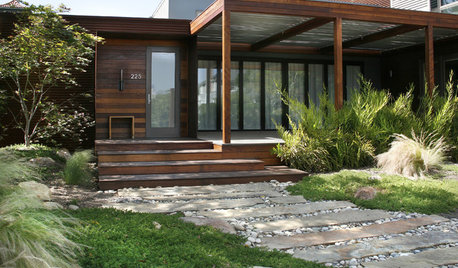
LANDSCAPE DESIGN7 Low-Maintenance Lawn Alternatives
Turf isn't the only ground cover in town. Get a lush no-grass lawn with clover, moss and other easy-care plants
Full Story
LANDSCAPE DESIGNGet Along With Less Lawn — Ideas to Save Water and Effort
Ditch the mower and lower your water bill while creating a feast for the eyes with diverse plantings and gathering places
Full Story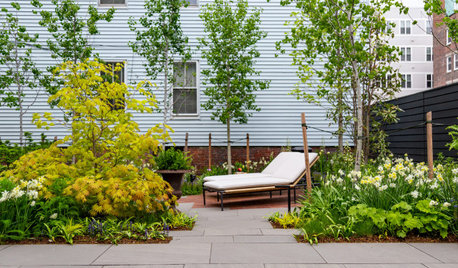
GARDENING GUIDESHow to Take Care of Your Newly Planted Garden
Set up new gardens for success in the critical first year after planting with expert tips from landscape pros on Houzz
Full Story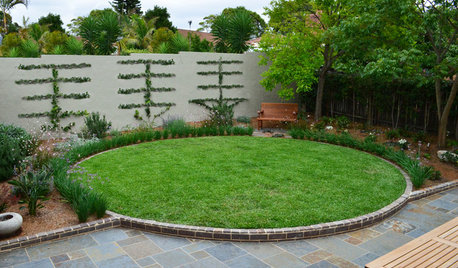
GARDENING GUIDESSmall Gem Lawns: More Impact From Less Grass
Instead of letting the lawn sprawl, make it a shapely design element in your yard. You’ll reap benefits both practical and aesthetic
Full Story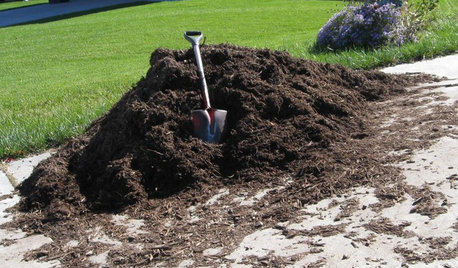
FRONT YARD IDEASBefore and After: Front Lawn to Prairie Garden
How they did it: Homeowners create a plan, stick to it and keep the neighbors (and wildlife) in mind
Full Story
EARTH DAYThe Case for Losing the Traditional Lawn
Work less, help the environment and foster connections by just saying no to typical turf
Full Story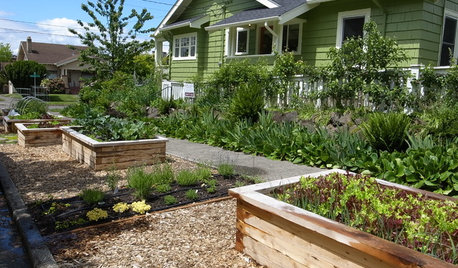
BEFORE AND AFTERSSee 6 Yards Transformed by Losing Their Lawns
Wondering whether a turf lawn is the best use of your outdoor space? These homeowners did, and they found creative alternatives
Full Story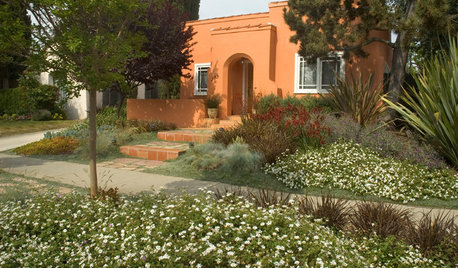
GREAT HOME PROJECTSHow to Replace Your Lawn With a Garden
New project for a new year: Lose the turfgrass for energy savings, wildlife friendliness and lower maintenance
Full Story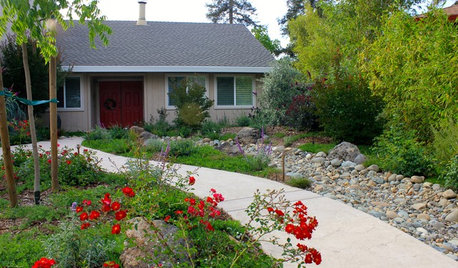
LANDSCAPE DESIGNCalifornia Says Goodbye to the Sprawling Ornamental Lawn
New state rules will effectively limit turfgrass to 25 percent of the landscape in most new and renovated yards
Full Story
Sponsored
TK Primes
dchall_san_antonio
Related Professionals
Annapolis Landscape Architects & Landscape Designers · Fort Worth Landscape Architects & Landscape Designers · Plattsburgh Landscape Architects & Landscape Designers · Raleigh Landscape Contractors · Athens Landscape Contractors · Sioux City Landscape Contractors · Amherst Landscape Contractors · Worthington Landscape Contractors · Hackettstown Landscape Contractors · Idaho Falls Landscape Contractors · Paducah Home Builders · Branson Home Builders · Superior Home Builders · San Bernardino Home Builders · Tacoma Home Builders