

Peat moss for mountain laurels
9 years ago
Featured Answer
Sort by:Oldest
Comments (6)
 9 years agolast modified: 9 years ago
Related Professionals
Waterbury Landscape Architects & Landscape Designers · Los Angeles Landscape Architects & Landscape Designers · Jackson Landscape Architects & Landscape Designers · Cornwall Landscape Architects & Landscape Designers · Pensacola Landscape Contractors · Morgan City Landscape Contractors · Austin Landscape Contractors · Victoria Landscape Contractors · Lansing Landscape Contractors · South Sioux City Landscape Contractors · Las Vegas Landscape Contractors · Lewiston Landscape Contractors · Dothan Stone, Pavers & Concrete · New Orleans Stone, Pavers & Concrete · Elgin Stone, Pavers & Concrete 9 years ago
- 9 years ago
- 9 years ago
- 9 years ago
Related Stories
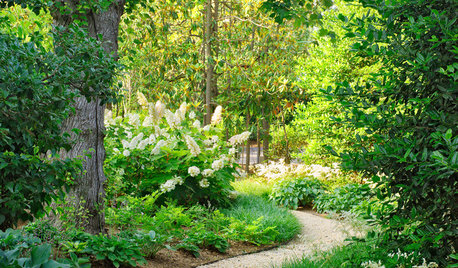
LANDSCAPE DESIGNUnwind in Your Own Private Garden Escape
When the world is getting on your last nerve, an outdoor refuge can soothe and nurture. Here's how to design a garden with relaxing in mind
Full Story
TINY HOUSESAdventure Seekers Hit the Road in a Cozy School Bus Home
Wood floors, butcher block countertops, custom furnishings and LED lights make life on the road feel like just another stylish day at home
Full Story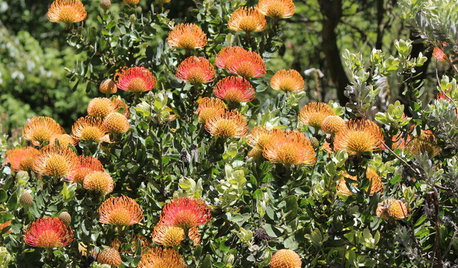
GARDENING GUIDESKeep Your Cool in the Garden — Here’s What to Do in August
Don’t let summer’s heat go to your head. These U.S. gardening guides will help you make sensible choices for all of your plantings
Full Story
GARDENING GUIDESYour Garden Is Stirring — Here’s What to Do in February
February is a good time to start seeds, shape up shrubs and watch for the earliest blooms. Here’s what to do in your part of the U.S. now
Full Story
EDIBLE GARDENSSummer Crop: How to Grow Blueberries
Plant blueberries in spring or fall for garden beauty through three seasons — and a sweet superfood in summer
Full Story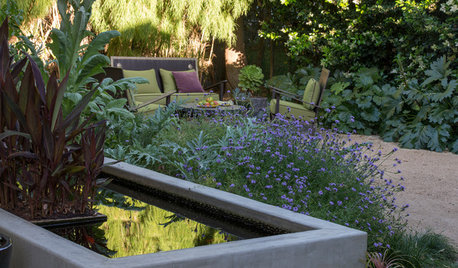
SAVING WATERHouzz Call: Are You Letting Go of Your Lawn?
Many facing a drought are swapping turf for less thirsty plantings. If you’re one of them, we’d like to hear about it
Full Story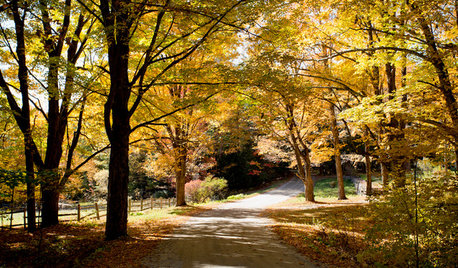
FALL GARDENINGHouzz Call: Show Us Your Autumn Views
Share your pictures of fall foliage and decor in the Comments. Your photos may be featured in an upcoming story!
Full Story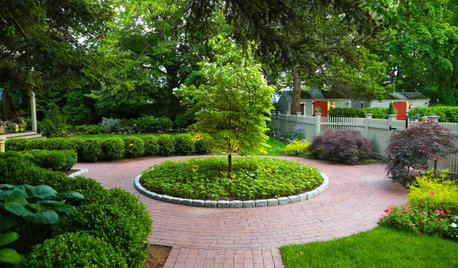
GARDENING GUIDESWhen and How to Plant a Tree, and Why You Should
Trees add beauty while benefiting the environment. Learn the right way to plant one
Full Story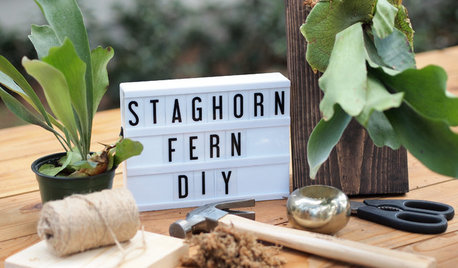
DIY PROJECTSHow to Put the New ‘It’ Plant on Display
Get a step-by-step guide to turning a shade-loving staghorn fern into a piece of living wall art
Full Story
LANDSCAPE DESIGNHow to Create a Beautiful Shade Garden
Turn the cool, shady spot in your garden into your own quiet oasis
Full Story
Embothrium