

TV Advice
9 years ago
Featured Answer
Sort by:Oldest
Comments (12)
 9 years ago
- 9 years ago
Related Professionals
Little Rock Interior Designers & Decorators · Waycross Interior Designers & Decorators · Meridian Interior Designers & Decorators · York Interior Designers & Decorators · Tyler Interior Designers & Decorators · Norfolk Interior Designers & Decorators · New Haven Interior Designers & Decorators · South Sioux City Interior Designers & Decorators · Harrisburg Interior Designers & Decorators · Bloomington Carpenters · Great Falls Carpenters · Eugene Carpenters · Mount Vernon General Contractors · Moline General Contractors · Nashua General Contractors- 9 years agolast modified: 9 years ago
- 9 years ago
 9 years ago
- 9 years ago
- 8 years agolast modified: 8 years ago
 PRO8 years ago
- 8 years agolast modified: 8 years ago
- 8 years ago

Related Stories
DIY PROJECTSHouzz TV: How to Paint a Wall Like a Pro
See the tools you need and steps you should follow to get the best coverage and finish for your walls
Full Story
PAINTINGHouzz TV: How to Paint a Wall Faster
Should you roll your paint first or ‘cut in’ the edges with a brush first? This expert’s preference can save a lot of time
Full Story
MOST POPULARHow High Should You Mount Your TV?
Today we look at an important question to consider when locating your television: How high should you set it?
Full Story
DIY PROJECTSHouzz TV: How to Paint Perfect Wall Stripes
Watch this video to see how to paint clean, professional-looking stripes wherever you want some pizazz
Full Story
BATHROOM DESIGNDreaming of a Spa Tub at Home? Read This Pro Advice First
Before you float away on visions of jets and bubbles and the steamiest water around, consider these very real spa tub issues
Full Story
MOST POPULAR7 Ways to Rock a TV and Fireplace Combo
Win the battle of the dueling focal points with a thoughtful fireplace arrangement that puts attention right where you want it
Full Story
HEALTHY HOMEHow to Childproof Your Home: Expert Advice
Safety strategies, Part 1: Get the lowdown from the pros on which areas of the home need locks, lids, gates and more
Full Story
HOUZZ TVHouzz TV: Fun Family Living in 980 Square Feet
In a place known for going big, a family of 4 opts for creative space savers and subtle luxuries instead
Full Story
HOME TECHNew TV Remote Controls Promise to Do More — Without the Struggle
Dim your lights, set up user profiles and discover a remote you can't lose. Welcome to the latest and greatest way to change the channel
Full Story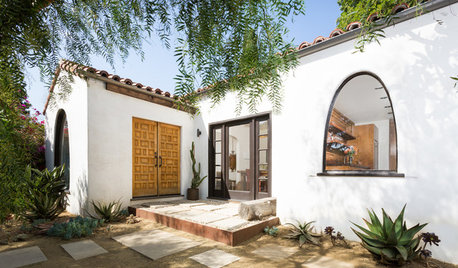
BEFORE AND AFTERSHouzz TV: See Recycled Walls and Cool Cassette Art in a Woodsy DIY Home
Walnut countertops join hardwood floors and pieces made from leftover framing in a bright Spanish colonial
Full Story
Sponsored
More Discussions
Elmer J Fudd