

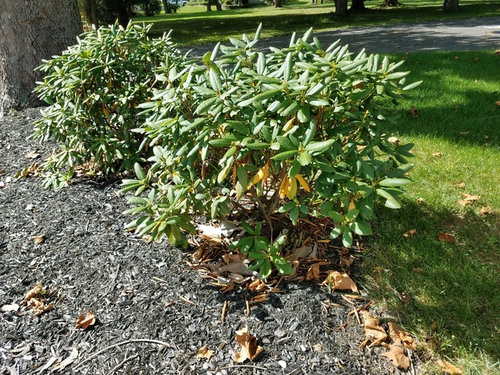
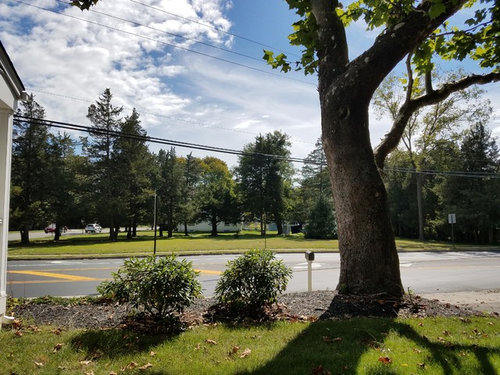
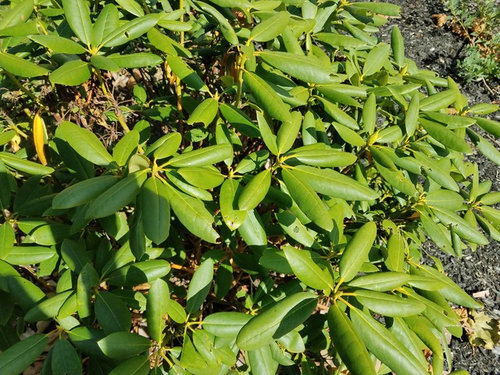
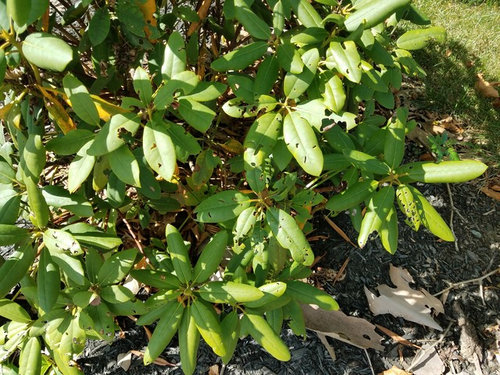
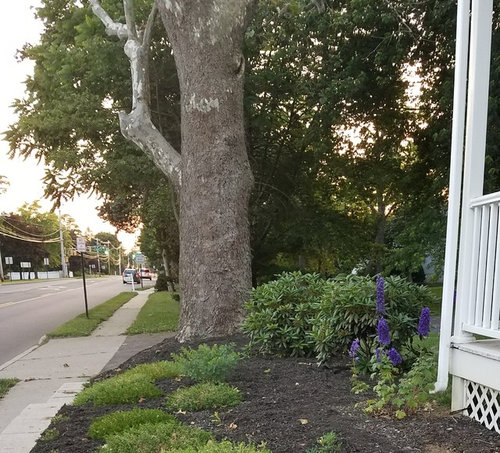
Rhododendrons looking a little sad
8 years ago
last modified: 8 years ago
Featured Answer
Sort by:Oldest
Comments (10)
 8 years agolast modified: 8 years ago
- 8 years ago
Related Professionals
Branson Landscape Architects & Landscape Designers · Hannibal Landscape Architects & Landscape Designers · Florence Landscape Architects & Landscape Designers · Salinas Landscape Architects & Landscape Designers · Bainbridge Landscape Contractors · Rome Landscape Contractors · Manhattan Landscape Contractors · Frederick Landscape Contractors · Winston-Salem Landscape Contractors · Barnstable Landscape Contractors · Fall River Landscape Contractors · Stockton Landscape Contractors · Utica Home Additions · Mesquite Home Additions · Tacoma Home Additions- 8 years ago
 8 years ago
- 8 years ago
- 8 years ago
 8 years ago
- 8 years ago
- 8 years ago

Related Stories

CONTAINER GARDENSLittle by Little: Why Growing a Bonsai Could Change Your Life
Tap into the gentle and intriguing world of bonsai and let it teach you the joy of patience
Full Story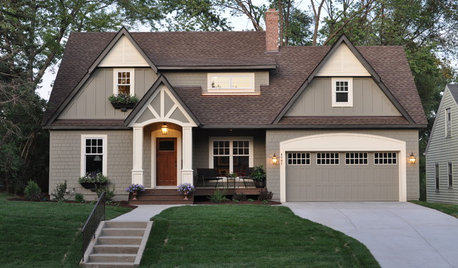
ARCHITECTURERoots of Style: Where Did Your House Get Its Look?
Explore the role of architectural fashions in current designs through 5 home styles that bridge past and present
Full Story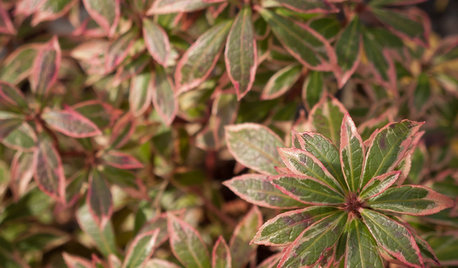
GARDENING GUIDESGreat Design Plant: Little Heath Andromeda Brings 4-Season Color
Rosiness in the cool months and fragrant white flowers in spring help make this shrub a winner — and hummingbirds love it too
Full Story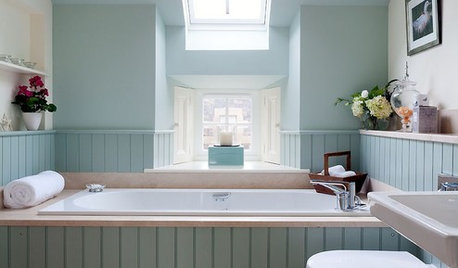
SMALL SPACES10 Tips for Chic Little Bathrooms
Get more visual appeal and storage in less space, following the lead of these stylish compact bathrooms
Full Story
COMMUNITYHouzzers Share Their Little Free Libraries
Stewards of these book-sharing boxes get creative with their designs, placement, social media marketing and more
Full Story
FUN HOUZZSomething a Little Different: Fairy Houses
Miniature abodes crafted for otherworldly creatures capture the imagination
Full Story
HOUZZ TOURSMy Houzz: Scandinavian Style Inspires a Bungalow's New Look
Curbside keepsakes, vintage accessories, DIY projects and chic textiles bring life to this Asheville family home
Full Story
LANDSCAPE DESIGNThe Joy of a Balcony: 16 Ideas for Your Little Slice of the Sky
Get more from your compact outdoor space with the right plants, furniture and accessories
Full Story
ECLECTIC HOMESHouzz Tour: A New Look for Former Student Digs
An ill-treated Victorian in England becomes a more open, extended and aesthetically appealing family home
Full Story
MOST POPULAR8 Little Remodeling Touches That Make a Big Difference
Make your life easier while making your home nicer, with these design details you'll really appreciate
Full Story
More Discussions
akamainegrower