

Best time and method to a cutting
9 years ago
Featured Answer
Sort by:Oldest
Comments (11)
 9 years ago
 9 years ago
Related Professionals
Daytona Beach Landscape Architects & Landscape Designers · Hopkinsville Landscape Architects & Landscape Designers · Anniston Landscape Architects & Landscape Designers · Brainerd Landscape Architects & Landscape Designers · Syracuse Landscape Architects & Landscape Designers · Mansfield Landscape Architects & Landscape Designers · Amarillo Landscape Architects & Landscape Designers · California Landscape Contractors · Toms River Landscape Contractors · Huntington Landscape Contractors · Omaha Landscape Contractors · Fresno Landscape Contractors · Quincy Home Builders · Superior Home Builders · Riverside Home Builders 9 years ago
- 9 years ago
- 9 years ago
 9 years ago
- 9 years ago
- 9 years ago
 9 years ago
- 9 years ago
Related Stories

GARDENING GUIDES7 Ecofriendly Gardening Ideas That Also Cut Chore Time
Spend less time weeding, less money watering and more moments just sitting back and enjoying your healthy garden
Full Story
ACCESSORIESEasy Green: Cut Electricity Use With 15 Unplugged Home Devices
Crank up the energy savings, courtesy of household items that come into power the old-fashioned way: manually
Full Story
LANDSCAPE DESIGNIs Your Garden Cut Out for Matisse Inspiration?
Look to the artist’s paper collages for a creative and easy approach to garden design
Full Story
HOME TECHIn Rarefied Air: Meet 3 Cutting-Edge Home Sensors
These new all-purpose sensors send alerts to your smart phone about temperature, air quality and a whole lot more. Why not?
Full Story
DECORATING GUIDESOn Trend: Cut It Out With Norwegian Seating
You may find these nipped-out chairs extra full of modern style and comfort, thanks to their savvy designs
Full Story
GARDENING 101How to Start a Cut Flower Garden for Beautiful Bouquets All Year
Flower farmer Erin Benzakein shows us how to grow fresh seasonal flowers the most satisfying way: by seed
Full Story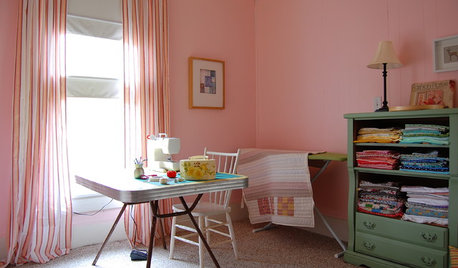
STUDIOS AND WORKSHOPSA Stitch in Time: Creative Sewing Spaces
Sewing rooms have become popular again as people of all ages embrace simple crafts they can do at home
Full Story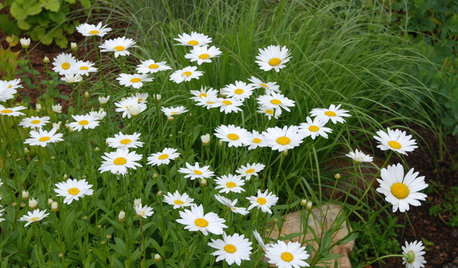
FLOWERSBest Cutting-Garden Beauties for Late Summer
Pick blooms bursting with color or in classic white for bouquets to give away or keep all to yourself
Full Story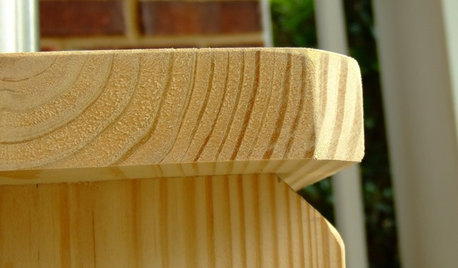
DIY PROJECTSCutting Corners: Miters Spruce Up Woodworking Projects
These basic woodworking cuts add another dimension to simple corners
Full Story
REMODELING GUIDESArtistic Carvings Make for Cutting-Edge Architecture
Modern architecture makes room for decoration with artistic designs carved into exterior concrete and interior wood
Full Story
Sponsored



cecily