

Encouraging Root Development
9 years ago
Sort by:Oldest
Comments (4)

Related Stories
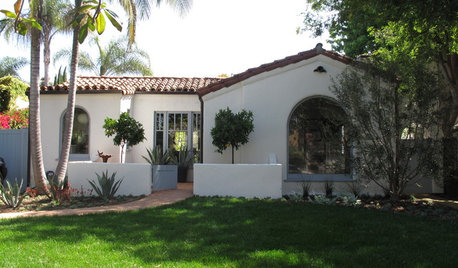
ARCHITECTURERoots of Style: Many Cultures Make Their Marks on Mediterranean Design
If you live in California, Florida or certain other parts of the U.S., your architecture may show distinct cultural influences
Full Story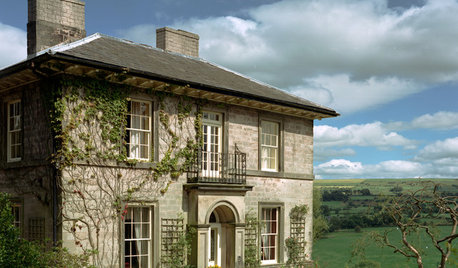
TRADITIONAL ARCHITECTURERoots of Style: Your Home May Have a Renaissance Classical Past
If Georgian, colonial revival or Italianate details are in your house's mix, you might have the 15th century to thank
Full Story
LIFETracing the Deep Roots of Design
Are our design choices hardwired? Consider the lasting appeal of forms from the hunter-gatherer life
Full Story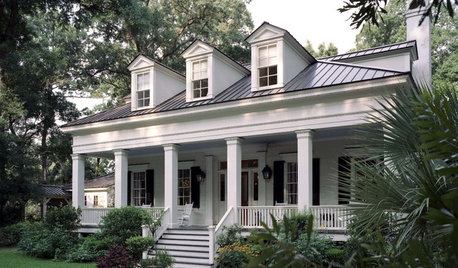
TRADITIONAL ARCHITECTURERoots of Style: Classical Details Flourish in 21st-Century Architecture
Columns, friezes, cornices ... if your home has features like these, it may have been influenced by ancient designs
Full Story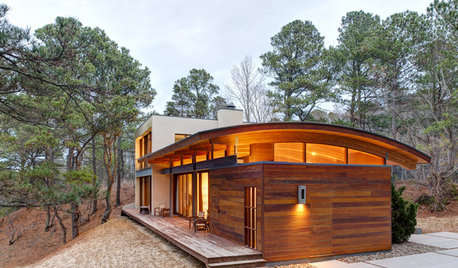
ARCHITECTURERoots of Style: The Segmental Vault Home
Distinctive and proud, these houses may be more common than you might first realize
Full Story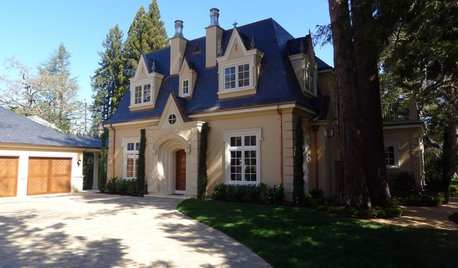
TRADITIONAL ARCHITECTURERoots of Style: Château Architecture Strides Through a Century
Live like a lord with design details that recall French estates of old, even if they're scaled down and updated for today
Full Story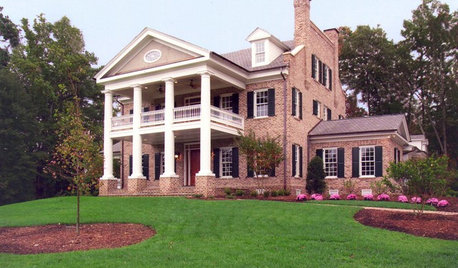
ARCHITECTURERoots of Style: Meet Your Traditional Home's Classical Ancestors
Traditional architecture's genes began in ancient Greece and Rome — discover your home's style forefathers here
Full Story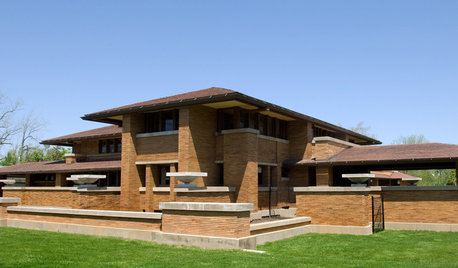
ARCHITECTURERoots of Style: Prairie Architecture Ushers In Modern Design
Twentieth-century Midwestern architects gave us broad-shouldered homes inspired by the landscape and modern times
Full Story
ARCHITECTURERoots of Style: Midcentury Styles Respond to Modern Life
See how postwar lifestyles spawned a range of styles, including minimalist traditional, ranch, split level and modern shed. What's next?
Full Story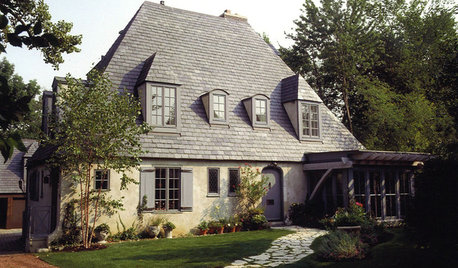
ARCHITECTURERoots of Style: French Eclectic Design Continues to Charm
Hip roofs, towers, quoins ... if your house includes architectural elements like these, you might trace its design lineage to France
Full Story
beckyinrichmond
owlnsr
Related Professionals
Kissimmee Landscape Architects & Landscape Designers · Florence Landscape Architects & Landscape Designers · Chillicothe Landscape Architects & Landscape Designers · Muskegon Landscape Architects & Landscape Designers · Toledo Landscape Architects & Landscape Designers · Shreveport Landscape Contractors · Greensboro Landscape Contractors · Corpus Christi Landscape Contractors · Winona Landscape Contractors · Medford Landscape Contractors · Bronx Landscape Contractors · Emporia Home Builders · Annapolis Home Builders · Hattiesburg Home Builders · Muskogee Home BuildersTed (Zone 4) IAOriginal Author
User