

Tree Suggestions - Full Shade Screening
9 years ago

Featured Answer
Sort by:Oldest
Comments (12)
- 9 years ago
Related Professionals
Dalton Landscape Architects & Landscape Designers · Charleston Landscape Architects & Landscape Designers · Hartford Landscape Architects & Landscape Designers · Brainerd Landscape Architects & Landscape Designers · Richmond Landscape Contractors · Florence Landscape Contractors · Aiken Landscape Contractors · Eureka Landscape Contractors · Fort Wayne Home Additions · Tucson Home Additions · Fresno Home Additions · Lubbock Home Additions · Great Falls Home Additions · Scottsbluff Home Additions · Vernal Home Additions 9 years ago
 9 years agolast modified: 9 years ago
- 9 years ago
 9 years ago
- 9 years ago
- 9 years ago
- 9 years ago
- 9 years ago
- 9 years agolast modified: 9 years ago
- 9 years ago

Related Stories
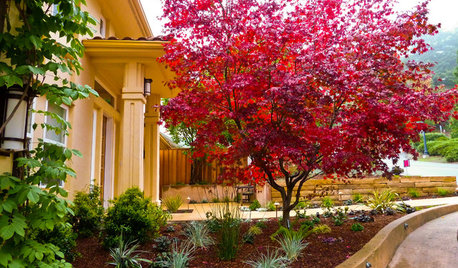
LANDSCAPE DESIGN7 Great Trees for Summer Shade and Fall Color
These landscape-pro faves straddle the seasons beautifully. Could one enhance your own yard?
Full Story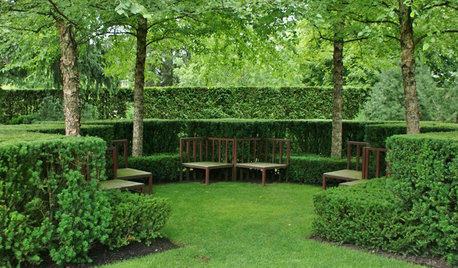
GARDENING GUIDESGrow Your Own Privacy: How to Screen With Plants and Trees
Use living walls to lower your home and garden's exposure while boosting natural beauty in your landscape
Full Story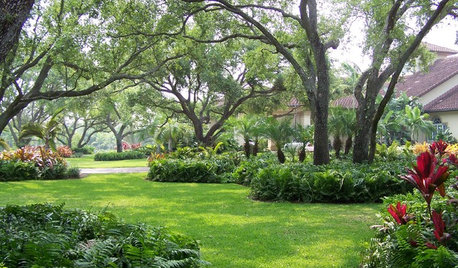
GARDENING GUIDESAn All-Star List of 10 Shade Trees to Plant This Fall
These tried-and-true varieties offer good-sized canopies, seasonal interest, wildlife benefits and more
Full Story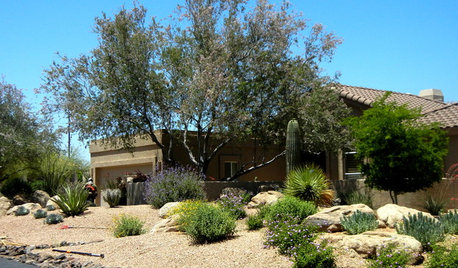
GARDENING GUIDESGreat Design Plant: Olneya Tesota Offers Desert Shade
This long-lived Southwestern native tree decorates the sky with its dusty gray-green foliage and lavender-colored blossoms
Full Story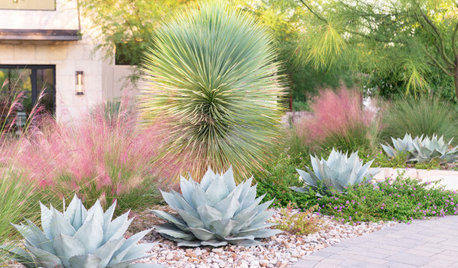
GARDENING GUIDES14 Beautiful Native Plants for Shade Gardens
These hardworking perennials thrive in areas with dappled light to full shade and create a lovely woodland garden look
Full Story
GARDENING GUIDES5 Best-Behaved Trees to Grace a Patio
Big enough for shade but small enough for easy care, these amiable trees mind their manners in a modest outdoor space
Full Story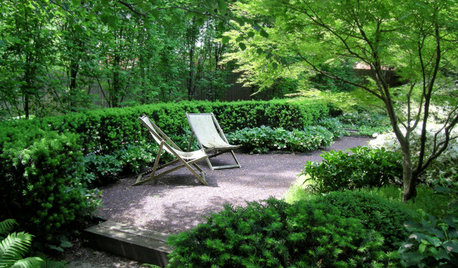
FOLIAGEEasy-Care Evergreen Plants and Combos for Stunning Shade Gardens
Here’s what to plant for year-round interest and minimal maintenance in full-shade to dappled-light garden beds
Full Story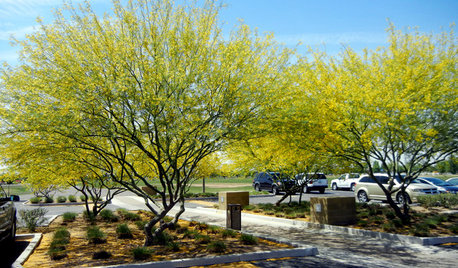
GARDENING GUIDES10 Essential Native Trees for Southwestern Gardens
Add beauty and welcome shade to arid gardens with one or more of these trees from the region
Full Story
MOST POPULAR50 Shades of Gray
Gray is hotter than ever, thanks to a hit novel full of risks and dark secrets. Tell us: Which paint shade possesses you?
Full Story
NEW THIS WEEK5 Cozy Outdoor Rooms Full of Charm
Get ideas for plush seating, durable materials and personal touches to make a sweet summer spot in the shade
Full Story




Mens Tortuosa(5b Omaha, NE)