

Overwintering tips for Elephant Ears
9 years ago
Comment
Related Stories

LIFEYou Said It: ‘Lower Your Standards’ and Other Quotables
Advice, tips and other comments that struck a chord in the run-up to the holidays
Full Story
HOUSEPLANTS8 Essentials for Healthy Indoor Plants
Houseplants add so much to our homes — and can thrive when grown in the right conditions. Keep these tips in mind
Full Story
KITCHEN MAKEOVERSKitchen of the Week: Rich Materials, Better Flow and a Garden View
Adding an island and bumping out a bay window improve this kitchen’s layout and outdoor connection
Full Story
MOST POPULAR5 Ways to Pare Down Your Stuff — Before It Gets in the Door
Want to free up some room around the house? Rethink gift giving, give yourself a shopping mantra and just say, ‘No, thank you’ to freebies
Full Story
LANDSCAPE DESIGNHow to Transition Your Spring Garden Borders Into Summer
Check out these 8 easy tricks for refreshing your garden for the season without entirely replanting
Full Story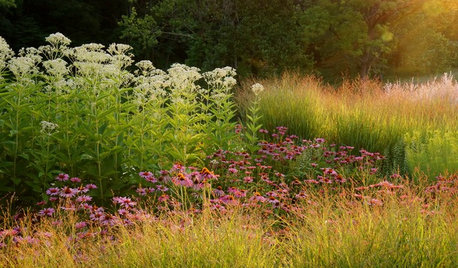
GARDENING FOR BUTTERFLIESGarden for Wildlife to Reap Rich Rewards
When you plant with animals and insects in mind, you make gardening easier, the planet healthier and yourself more present
Full Story
HOUSEPLANTSIndoor Winter Gardens for Cheerier Days
Bring plants inside for drab-days mood boosting — not to mention cleaner indoor air and protection for your greenery
Full Story
FEEL-GOOD HOME10 Ways to Fight Pollen at Home
Keep sneezing and stuffiness to a minimum by making your house as pollen free as possible
Full Story
LANDSCAPE DESIGNHow to Create a Beautiful Shade Garden
Turn the cool, shady spot in your garden into your own quiet oasis
Full Story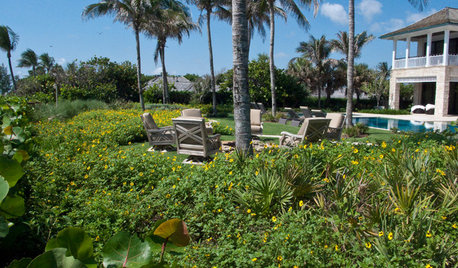
COASTAL STYLEHow to Make Your Oceanfront Garden Thrive
You may love the beach, but many plants don't. Learn which ones are best for your warm-weather oceanside garden getaway
Full Story
Related Professionals
Montgomery Landscape Architects & Landscape Designers · Lexington Landscape Architects & Landscape Designers · Dayton Landscape Architects & Landscape Designers · Nashua Landscape Architects & Landscape Designers · Carson City Landscape Architects & Landscape Designers · Medford Landscape Architects & Landscape Designers · Vancouver Landscape Architects & Landscape Designers · Cape Coral Landscape Contractors · Waycross Landscape Contractors · Athens Landscape Contractors · Fort Worth Landscape Contractors · Palm Bay Home Stagers · Florence Home Stagers · Manchester Home Stagers · Salinas Home Stagers