Software
Houzz Logo Print
mattp321

Too late to transplant?

8 years ago

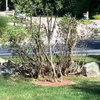
I have a bunch of shrubs along a fence line I need to transplant (rookie mistake, planted to close together) which are viburnums and wax myrtles.

today we had our first snow of the year and it's getting cold out there. Can I still transplant this week or should I wait til spring? If I wait til spring, do I want to transplant before or after leaves bud out?

heres the forecast for the next week:

Comments (17)

  • 8 years ago

    Is the soil frozen? Are you likely to get frost heave (which IME is more common in soils with more clay, so less well-drained)? How large are the plants currently?

    Regardless, after transplanting, mulch well. If you wait until spring, do it before leaf out, the earlier the better.

  • 8 years ago

    thats not really all that cold ... for the plants anyway ...


    potted... ball and burlap .... youre digging them??? .... soil type.. how big... etc ..


    other than temps.... you havent given us much to go on ...


    ken

    https://sites.google.com/site/tnarboretum/Home/planting-a-tree-or-shrub


  • 8 years ago

    Okay sorry I didn't realize more info was needed.

    1. i doubt the soil is frozen

    2. Im digging them and dragging them literally less than 10 feet away and immediately replanting.

    3. Soil indeed has clay, I don't know the official breakdown. But it's orange in spots especially deeper.

    4. Most of the shrubs are 4-5' tall Chicago lustre viburnums.

    thanks

    bonus question- any advice on spacing Chicago lustre for a privacy hedge? I planted at 6' originally but it seems clear now that's way too jammed. Those were bare root babies 2 years ago. I'm thinking about like 9' oc now.

  • 8 years ago

    there's a technical answer and a practical answer.

    The technical answer re: fall moving/planting/transplanting is, you get as much root growth with six weeks of fall soil temps above 40 degrees F as you do if you plant in the spring. there are some exceptions to digging/transplanting in fall, mainly fleshy rooted plants.

    the practical answer is, if you can put a shovel in the ground, it's a fine time. Mulch somewhat heavier the later in the season you go; the aforementioned frost heaving can be problematic. Personally, I also tend to avoid exposing root systems to freezing temps...more important with bareroot.

    I'm not sure i'd go much wider than about 8' on spacing. The exact spacing would depend a little on how quickly you wish to achieve said privacy. Either way, this is a plant that can deal well with a little crowding...which makes it a good choice for privacy screens.

    mattp321 thanked waynedanielson
  • 8 years ago

    Most increase in length of existing roots occurs in fall. However fall in this context is when the winter stem buds are set in late summer or fall - roots cut after the annual fall root extension has occurred will not regenerate until spring, when these same winter stem buds open. This is because the timing of the root activity is regulated by hormones produced by the buds and sent to the root tips.

    And is why bare-rooted stock dug in fall is put in cold storage by nurseries until end of winter, when it is shipped or handed to customers for early spring planting - the small roots eliminated by the bare-rooting process will not start to be replaced until spring stem bud break.

    So if you can move your shrubs with mostly intact soil balls during a mild spell this winter, water them in and mulch well afterward that will probably work. If instead these are liable to end up being partly bare-rooted the project should wait until spring is near. But be done before the stem buds open.

    If you were in USDA 5 or colder it would then definitely be an end of winter/early spring operation.

    mattp321 thanked Embothrium
  • 8 years ago

    Thanks for the advice I'll just wait til spring. Feb or march I suppose I'll move them

  • 8 years ago
    last modified: 8 years ago

    Interesting thread. In embothroum response, it was very a good read. I would have assumed when a plant goes dormant or close to it, at those temps posted, if one was to transplant in early winter, it would shock the roots, and or just wake up the plant to some degree as the roots would want to regen.

  • 8 years ago

    mattp321 from DC area, will agree with me that today is sunny and beautiful, tomorrow is supposed to be the same. I would have no reservations about transplanting viburnums now.

  • 8 years ago

    It is indeed nice out there, but isn't that the issue? I guess I'm still confused on this but it sounded like it's better to wait til fully dormant/cold to transplant in order to not damage the shrub, therefore since its sunny and warm out it might "wake up" as a1an wrote.

    another interesting fact to note is I have a line of these along my property line and some are fully leaved still and some fully bare. All viburnum dentatum it's very interesting.

  • 8 years ago

    mattp. It's weird how some plants go dormant earlier than others. even though they are in the same ground/environment. I was wondering that too last month, as some still seemed like they were in late fall full on bloom and others decided to just turn brown and drop it's leaves. Mother nature works in mysterious ways

  • 8 years ago
    last modified: 8 years ago

    Schedule of root growth is regulated by seasonal conditions as well as the processes within the plant I described previously - no burst of root growth is going to occur in response to transplanting now that would not have already been underway without the plants having been disturbed.

    Which is the problem with regard to trying to take advantage of the major annual elongation of existing roots that occurs each fall - it will be too late now. And any roots cut back during a move now - or earlier in fall - will not re-sprout until spring. Shrubs adapted to cold northern climates basically hibernate during the winter, with most activity occurring during the growing season.

    Hence the term, of course: growing season.

    mattp321 thanked Embothrium
  • 8 years ago

    Excellent read again Embothroum. If the nursery is digging them out just right after dormancy and before the ground freezes over, just curious what happens to these B&B trees/shrubs. Do they move them all into enclosed trailers where they are not subject to the winter elements . Or, as long as the root balls stay wet, even in the elements, it can freeze and fare out fine ?

  • 8 years ago
    last modified: 8 years ago

    If you are seeing somebody doing this there either they will be putting them back in the ground right away - as on a landscape project - or into something like sawdust beds. And the idea will be that they are fully hardy types, that can have roots cut back late and not show top damage as a result.

    Unless they are making a mistake.

    USDA 6 falls within the routine fall planting being feasible set, with the too cold for it group starting with Zone 5. So there will be some potential for winter activity where you are in USDA 7, as long as recent transplants aren't left to sit out and freeze up during bitter weather, are mulched well immediately after re-planting. Here in Zone 8 contractors may work on renovation projects involving the moving around of large valuable specimens through most of the winter.


  • 8 years ago

    This is super interesting, obviously a much more complex subject than I originally imagined. So I can safely throw away the adage about winter planting if you're able to dig in the dirt. Which never really applied to me because in my red clay soil I actually usually have to use a clay spade in an electric hammer to break up the soil when planting shrubs.

    as I will certainly lose roots when I transplant, does that affect when it's better to do this transplanting? Like will shrubs survive better with loss of roots in winter (when ostensibly they aren't losing water via their leaves) compared to doing this in early spring?

  • 8 years ago

    Ouch Matt. Me wonders how you plant in soil conditions like that. Do you till deeper and wider and make a sligtly amended plant hole. Or do you tell the shrub to suck it up and find it's own due way through the clay

  • 8 years ago
    last modified: 8 years ago

    Depends what I'm planting. I've been planting a lot of native plants, and for those generally I cut up the roots with my shovel and plant it directly in my soil without amendments. Most of the stuff planted like this have done okay. Often with perennials I just water once after planting and then ignore them. Other times if I remember I'll water. Been having good luck. When I plant foreign stuff such as azaleas I'll add some peat moss into the dirt as i plant.

    oh I forgot, I do add some biotone I think it's called into the hole when I plant shrubs.