

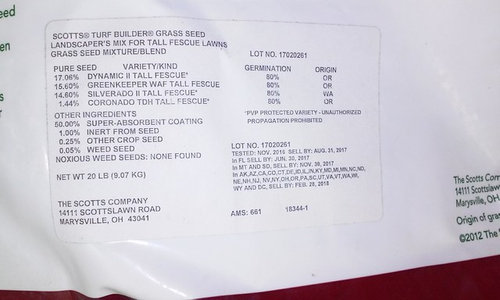
Dormant Seeding Lawn
8 years ago
Sort by:Oldest
Comments (5)
Related Stories
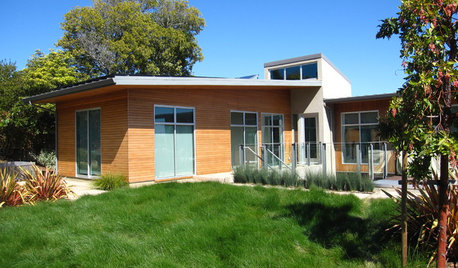
GARDENING GUIDESHow to Plant a New Lawn From Seed
Choose from more grass varieties and save money over sod by starting your lawn from seed
Full Story
GARDENING GUIDESHow to Prep Your Ground for a Healthy New Lawn
Seed or sod that falls on weedy, lumpy soil is a wasted effort. Follow these steps to ensure that your new lawn will thrive
Full Story
LANDSCAPE DESIGNA Guide to the Grasses Available for Nontraditional Lawns
New grass mixes are formulated to require less water and less fertilizer
Full Story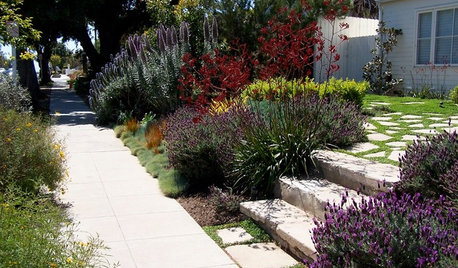
LAWN ALTERNATIVESStop Fighting the Patchy Lawn!
Here are 3 situations where a garden may be a better idea than more turfgrass
Full Story
EARTH DAYThe Case for Losing the Traditional Lawn
Work less, help the environment and foster connections by just saying no to typical turf
Full Story
BEFORE AND AFTERSSee 6 Yards Transformed by Losing Their Lawns
Wondering whether a turf lawn is the best use of your outdoor space? These homeowners did, and they found creative alternatives
Full Story
FRONT YARD IDEASBefore and After: Front Lawn to Prairie Garden
How they did it: Homeowners create a plan, stick to it and keep the neighbors (and wildlife) in mind
Full Story
GARDENING GUIDESHow to Fix Bare and Yellow Lawn Spots
Restore your turf’s good looks by reseeding unsightly patches
Full Story
LANDSCAPE DESIGNGet Along With Less Lawn — Ideas to Save Water and Effort
Ditch the mower and lower your water bill while creating a feast for the eyes with diverse plantings and gathering places
Full Story
LANDSCAPE DESIGN15 Great Ideas for a Lawn-Free Yard
End the turf war for good with hardscaping, native grasses and ground covers that save water and are easier to maintain
Full Story
Sponsored
User
holmanevaOriginal Author
Related Professionals
Cambridge Landscape Architects & Landscape Designers · Virginia Beach Landscape Architects & Landscape Designers · Ocala Landscape Contractors · Aberdeen Landscape Contractors · Rocky Mount Landscape Contractors · Killeen Landscape Contractors · New Haven Landscape Contractors · Greenfield Landscape Contractors · Poughkeepsie Landscape Contractors · Hilo Landscape Contractors · Fort Smith Home Builders · Amarillo Home Builders · Elko Home Builders · La Grande Home Builders · Riverton Home BuildersUser
holmanevaOriginal Author
User