

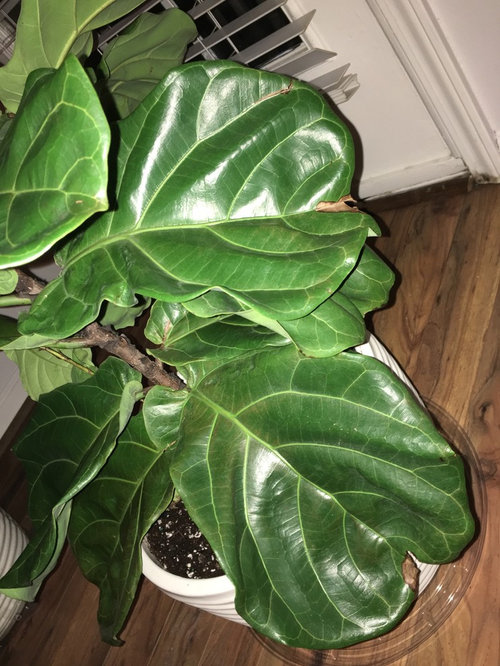
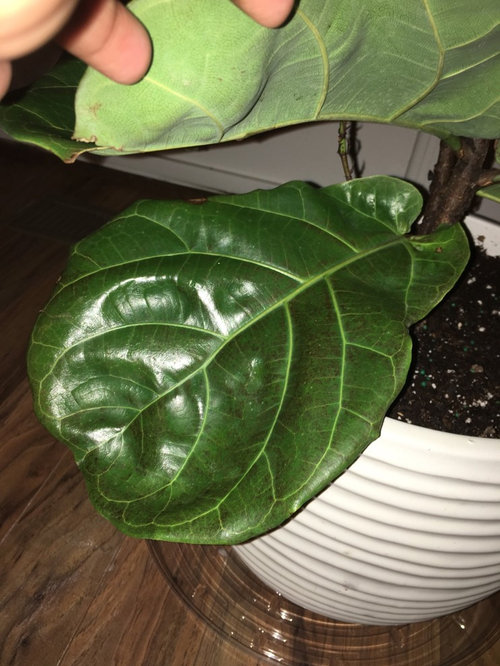
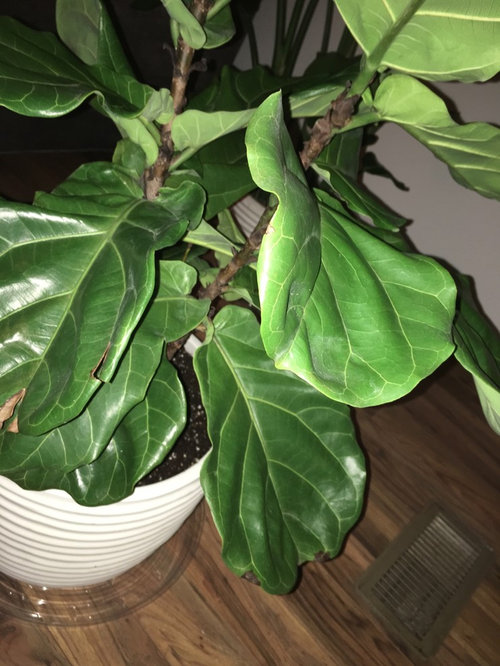
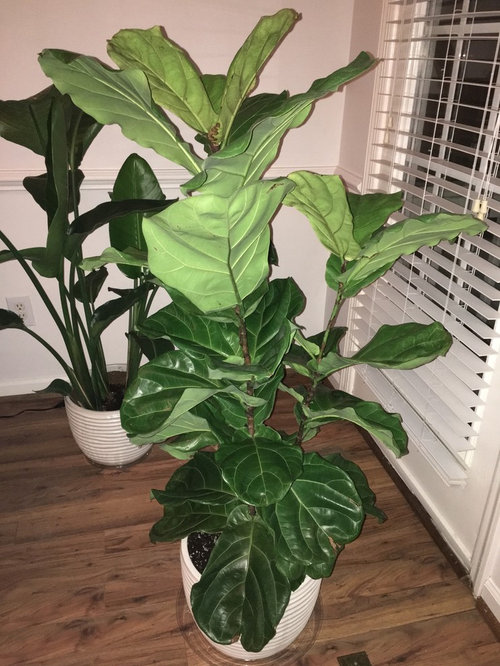
Shaking back a Fiddle Leaf Fig
8 years ago
Sort by:Oldest
Comments (4)

Related Stories
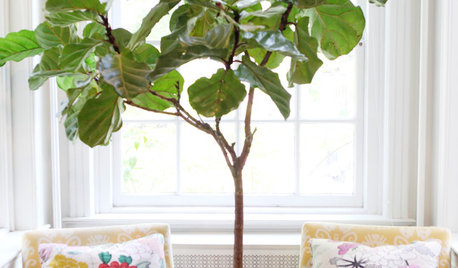
HOUSEPLANTSPlay Up Some Fiddleleaf Figs for a Lively Indoor Tune
Strike a dramatic chord in a minimalist scene or a country note in a rustic setting — fiddleleaf fig plants harmonize with any style
Full Story
MY HOUZZMy Houzz: Laid-Back Style in a San Francisco Home
These first-time homeowners re-create the beach vibe of their SoCal hometown in a 1902 Victorian flat
Full Story
DECORATING GUIDESReboot Your Child’s Room for Back-to-School Time
Give a preschooler to teen a room that’s more age appropriate, fun or to their taste
Full Story
DECORATING GUIDESSouth Beach Style: What It Is and How to Get It
This breezy Miami look features lots of crisp white and leafy hues for a laid-back feel that celebrates summer
Full Story
DECLUTTERINGHow to Create a Joyful, Clutter-Free Living Room
Make this a space you love by paring back and filling it with things you love
Full Story
MY HOUZZMy Houzz: Japanese Minimalism Blends With Classic New Orleans Style
African art and indoor plants complement the clean and modern aesthetic of two landscape architects
Full Story
DECORATING GUIDESTop 10 Interior Stylist Secrets Revealed
Give your home's interiors magazine-ready polish with these tips to finesse the finishing design touches
Full Story
MOST POPULARHow to Get Rid of Those Pesky Summer Fruit Flies
Learn what fruit flies are, how to prevent them and how to get rid of them in your home
Full Story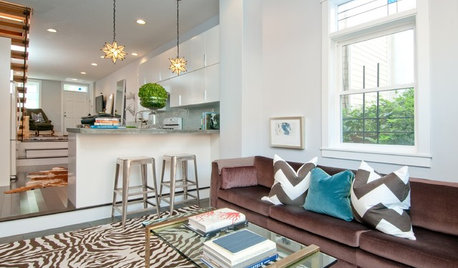
HOUSEKEEPINGCan-Do Cleaning Strategies for Busy People
While you dream of having a maid (to go with the cook and chauffer), this simplified cleaning routine can keep your real-world home tidy
Full Story
DECORATING GUIDES10 Elements of the ‘Grown Up’ Home
These tips will help your style blossom from ‘innocent youth’ to ‘design-minded adult’
Full Story
Sponsored
BiancaOriginal Author
tapla (mid-Michigan, USDA z5b-6a)
Related Professionals
Fort Smith Landscape Architects & Landscape Designers · Cowansville Landscape Architects & Landscape Designers · Valdosta Landscape Contractors · Champaign Landscape Contractors · Minneapolis Landscape Contractors · San Angelo Landscape Contractors · Montgomery Interior Designers & Decorators · Carbondale Interior Designers & Decorators · Rocky Mount Landscape Architects & Landscape Designers · Amherst Landscape Architects & Landscape Designers · Allentown Landscape Architects & Landscape Designers · Chillicothe Landscape Contractors · Syracuse Landscape Contractors · Vidalia Architects & Building Designers · Huron Architects & Building DesignersBiancaOriginal Author
tapla (mid-Michigan, USDA z5b-6a)