

Difference between juniperus chinensis and virginiana?
8 years ago
last modified: 8 years ago
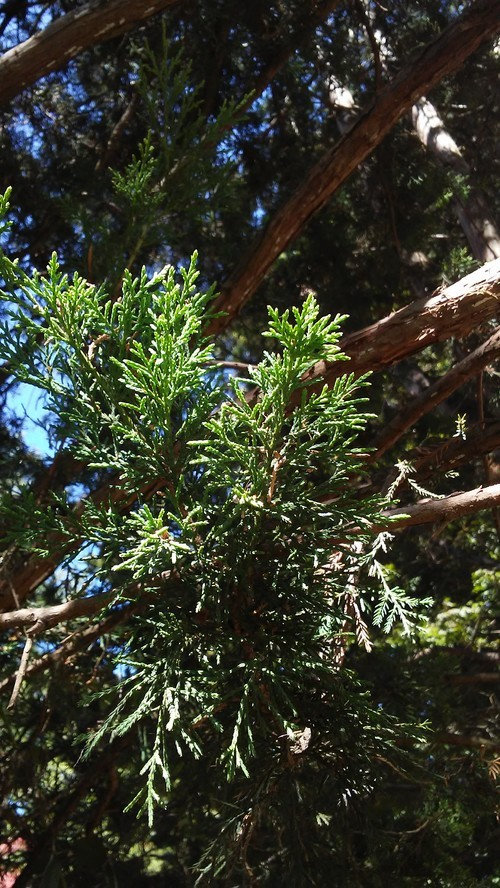
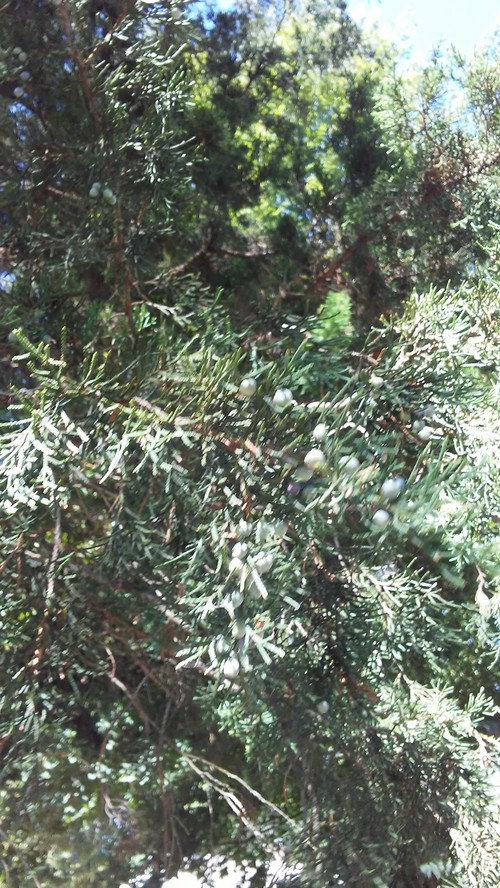
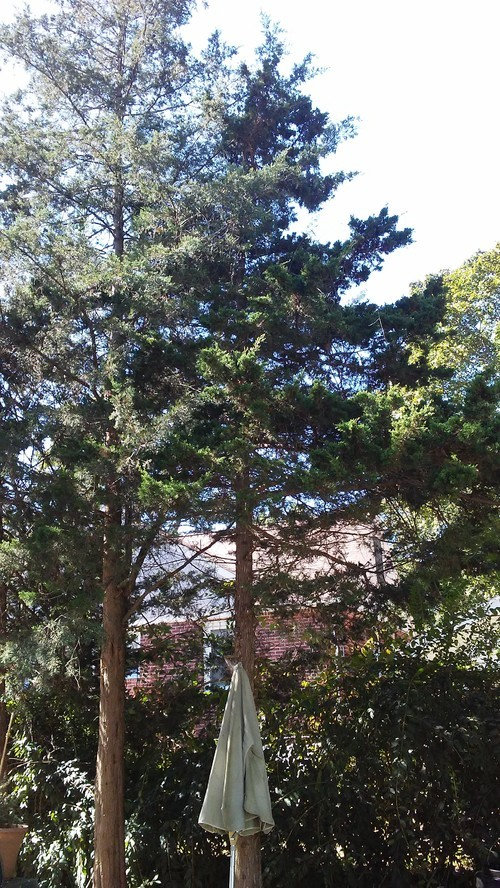
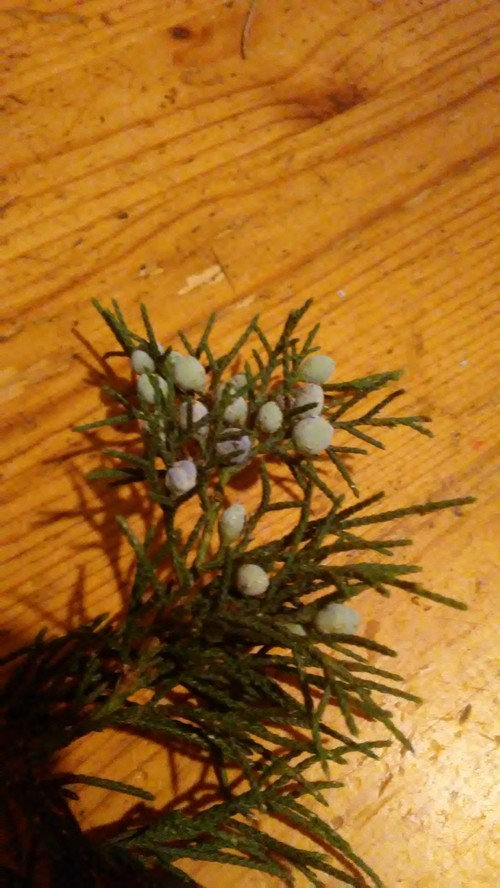
Featured Answer
Sort by:Oldest
Comments (10)
 8 years ago
Related Professionals
Grand Rapids Landscape Architects & Landscape Designers · Binghamton Landscape Architects & Landscape Designers · Kalispell Landscape Architects & Landscape Designers · Atlanta Landscape Contractors · Lawton Landscape Contractors · Concord Landscape Contractors · Napa Landscape Contractors · Santa Barbara Landscape Contractors · Rome Home Builders · Charlotte Home Builders · Athens Home Builders · Zanesville Home Builders · Georgetown Home Builders · Newport News Home Builders · Roanoke Home Builders- 8 years ago
- 8 years ago
 8 years ago
 8 years ago
- 8 years ago
- 8 years agolast modified: 8 years ago
 8 years agolast modified: 8 years ago
- 8 years ago
Related Stories
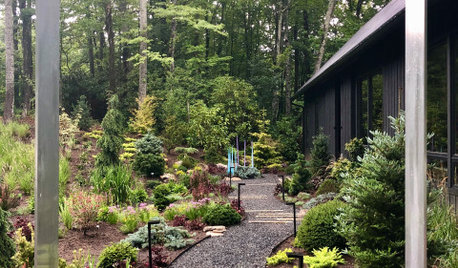
LANDSCAPE DESIGNTour a Designer’s Gardens in the North Carolina Mountains
The nature-inspired landscape surrounds a new dogtrot home with a meadow, a steep hillside, bogs and a natural stream
Full Story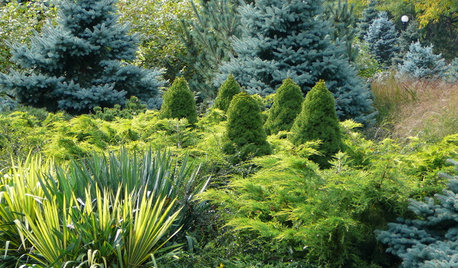
PLANTING IDEASDesigning With Conifers: Layers of Texture for Your Garden
Sharp and prickly or fine like ferns, richly textured conifers bring unexpected interest to the landscape
Full Story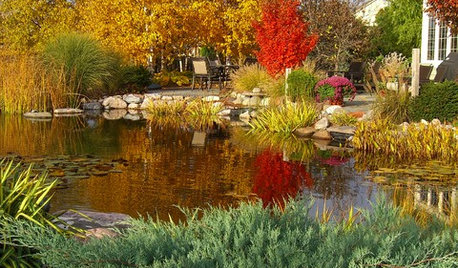
LANDSCAPE DESIGNSee How 4 Gorgeous Gardens Win With Fall Color and Texture
Ornamental grasses, crinkled leaves, chunky stone and warm brick take center stage in these fall landscapes
Full Story
GARDENING GUIDESHow to Find Your Garden’s Voice
Incorporate plants native to your region for a memorable space that brings back the landscape’s ‘regional accent’
Full Story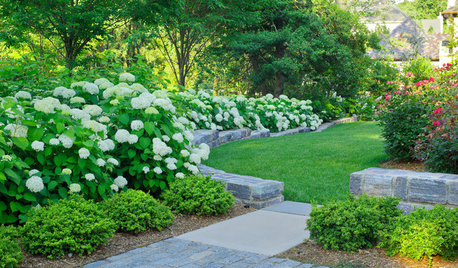
FLOWERS AND PLANTS10 Essential Shrubs for Mid-Atlantic Gardens
Easy-to-grow mid-Atlantic native shrubs celebrate the character of the region
Full Story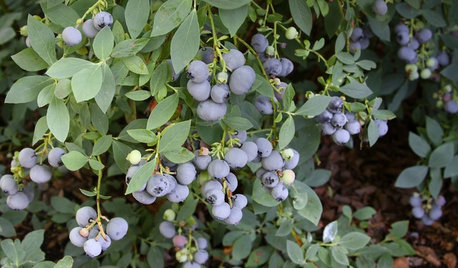
EARTH DAYSee Why Cross-Pollination Is a Plant’s Best Friend
Getting the most from a native plant landscape goes beyond plant selection. You often need compatible partners too
Full Story
PLANTING IDEASDesigning With Conifers: How to Unite Your Landscape
Create a landscape full of intrigue and artistry with the right placement of conifers and their supporting players
Full Story
GARDENING GUIDESGreat Design Plant: Rhus Glabra
Smooth sumac provides powerful jolts of fall color and persistent fruit clusters that add interest through the winter
Full Story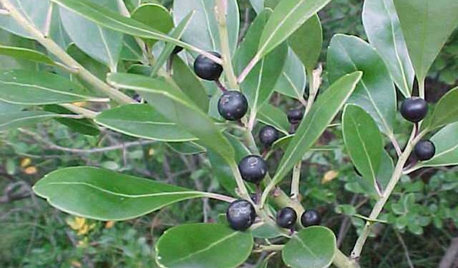
FLOWERS AND PLANTSEasterners: Consider This Native Alternative to Boxwood
Inkberry, or Ilex glabra, excels as a foundation plant or formal hedge perfectly suited to the East Coast
Full Story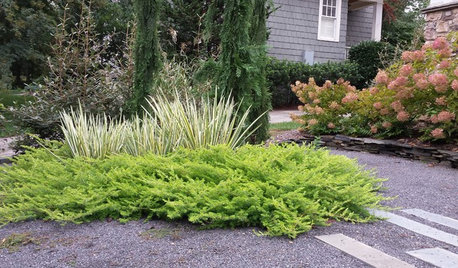
PLANTING IDEASThese Aren’t Your Grandparents’ Junipers
Dislike junipers? Maybe it’s time to discover new varieties and new uses for this garden workhorse
Full Story
Embothrium