

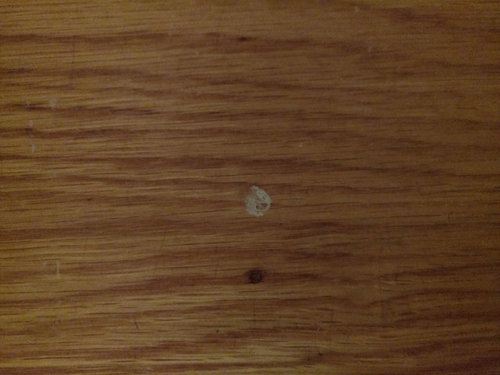
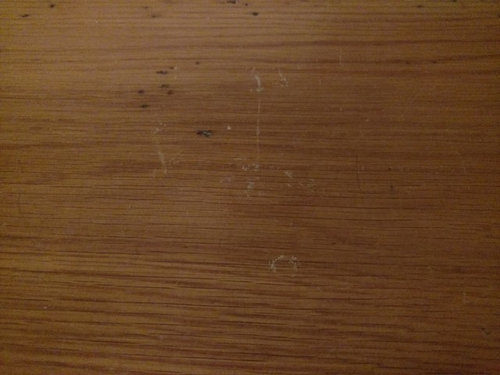
Damage from salt and snow--typical?
8 years ago
Featured Answer
Sort by:Oldest
Comments (8)
 8 years ago
- 8 years ago
Related Professionals
Lake Havasu City Flooring Contractors · Great Falls Flooring Contractors · Fayetteville Tile and Stone Contractors · Jacksonville Tile and Stone Contractors · Wilmington Tile and Stone Contractors · Fort Wayne Tile and Stone Contractors · Boston Tile and Stone Contractors · Marinette Tile and Stone Contractors · Bakersfield Tile and Stone Contractors · Port Saint Lucie Kitchen Remodelers · Waycross Kitchen Remodelers · Oklahoma City Kitchen Remodelers · San Antonio Kitchen Remodelers · Grand Island Kitchen Remodelers · Ontario Kitchen Remodelers- 8 years ago
- 8 years ago
 PRO8 years agolast modified: 8 years agoLalala (zone 6b) thanked Johnson Flooring Co Inc
- 8 years ago
Related Stories

HOMES AROUND THE WORLDHousehold Habits and Customs to Borrow From Other Countries
Discover why salt may be the perfect house-warming gift, how to clean rugs in snow and why you should invest in a pair of ‘toilet slippers’
Full Story
TILETop Tile Trends From the Coverings 2013 Show — the Wood Look
Get the beauty of wood while waving off potential splinters, rotting and long searches, thanks to eye-fooling ceramic and porcelain tiles
Full Story
SELLING YOUR HOUSEA Moving Diary: Lessons From Selling My Home
After 79 days of home cleaning, staging and — at last — selling, a mom comes away with a top must-do for her next abode
Full Story
ARCHITECTUREHave Your Flat Roof and Your Snow Too
Laboring under the delusion that flat roofs are leaky, expensive and a pain to maintain? Find out the truth here
Full Story
HOUZZ CALLShow Us Your Home in the Snow
Please share your best snowy scene of winter storm Inga and tell us how you are coping!
Full Story
KITCHEN DESIGN20 Kitchen Must-Haves From Houzz Readers
We asked you to tell us your top kitchen amenities. See what popular kitchen features made the list
Full Story
DECORATING GUIDESFrom Queasy Colors to Killer Tables: Your Worst Decorating Mistakes
Houzzers spill the beans about buying blunders, painting problems and DIY disasters
Full Story
LIFEHouzz Call: Who'll Post the First Snow Photo of 2013?
If the weather's been flaky in your neck of the woods, please show us — and share how you stay warm at home
Full Story
FUN HOUZZDon’t Be a Stickybeak — and Other Home-Related Lingo From Abroad
Need to hire a contractor or buy a certain piece of furniture in the U.K. or Australia? Keep this guide at hand
Full Story
LANDSCAPE DESIGN9 Fresh Design Ideas From Wildlife-Friendly Gardens
Set up your garden to provide food, water and shelter for birds, bees, butterflies and more without compromising style
Full Story

G & S Floor Service