

Is Soil PH Effected by Leaching (flushing)?
8 years ago
Featured Answer
Sort by:Oldest
Comments (7)
Related Professionals
Ashland Landscape Architects & Landscape Designers · Branson Landscape Architects & Landscape Designers · New Braunfels Landscape Architects & Landscape Designers · Lincoln Landscape Architects & Landscape Designers · San Francisco Landscape Architects & Landscape Designers · Effingham Landscape Contractors · Toms River Landscape Contractors · Hilton Head Island Landscape Contractors · Newport News Landscape Contractors · Des Moines Landscape Contractors · Wheeling Landscape Contractors · Albuquerque Landscape Contractors · Panama City Stone, Pavers & Concrete · Tyler Stone, Pavers & Concrete · Niles Stone, Pavers & Concrete 8 years ago

Related Stories

BATHROOM DESIGNStraight Flush: The Future of Toilets in the Home
Night lights, seat warmers and temperature-controlled bidets are here — and that’s just the beginning
Full Story
LIFE10 Things You Shouldn’t Flush Down the Toilet
Heed this professional advice on what should not go down the toilet and how to unclog a toilet
Full Story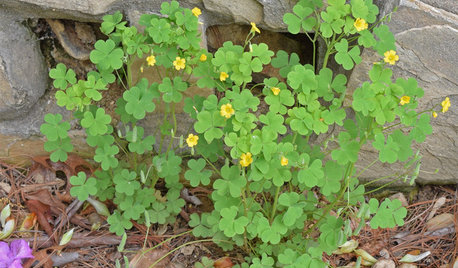
GARDENING GUIDESWhat Your Weeds May Be Trying to Tell You
An invasion of weeds can reveal something about your soil. Here’s what is going on and what to do about it
Full Story
GARDENING GUIDESNew Ways to Think About All That Mulch in the Garden
Before you go making a mountain out of a mulch hill, learn the facts about what your plants and soil really want
Full Story
LANDSCAPE DESIGNCalifornia Says Goodbye to the Sprawling Ornamental Lawn
New state rules will effectively limit turfgrass to 25 percent of the landscape in most new and renovated yards
Full Story
GARDENING GUIDESLearn the Secret to Bigger and Better Roses
Grow beautiful roses using both ordinary and unusual soil amendments
Full Story
GARDENING GUIDESGet on a Composting Kick (Hello, Free Fertilizer!)
Quit shelling out for pricey substitutes that aren’t even as good. Here’s how to give your soil the best while lightening your trash load
Full Story
GARDENING GUIDES8 Materials for Raised Garden Beds
Get the dirt on classic and new options for raised vegetable and plant beds, to get the most from your year-round garden
Full Story
FARM YOUR YARDHow to Grow Vegetables in Containers
Get glorious vegetables and fruits on your patio with a pro’s guidance — including his personal recipe for potting mix
Full Story
HOUSEKEEPINGVinegar and Voilà: Clean Your House the Natural Way
Ditch the commercial cleaners for nontoxic, inexpensive and versatile white vinegar
Full Story
kimmq